

What Is ‘Big Food Energy’?
You know the feeling. You see a dish on a travel show or your Instagram feed—a perfect, steaming bowl of ramen, a slice of deep-dish pizza with a cheese pull that defies physics, or a plate of freshly shucked oysters glistening by the sea—and think, “I
would travel just for that.” Well, people are actually doing it. This is the essence of a trip with “Big Food Energy.” It’s not just having a nice meal on vacation; it’s making the meal the entire point of the vacation. These trips are short, typically a weekend or a long weekend, and intensely focused. The goal isn’t to see a city; it’s to taste it. Every other activity, if any, is secondary to the primary culinary mission, whether that’s securing a reservation at a legendary restaurant, eating the definitive version of a regional classic, or mastering a local dish in a cooking class.
Why We’re Traveling for Our Stomachs
This shift isn’t happening in a vacuum. After years of travel restrictions and deferred plans, Americans are seeking maximum impact from their time off. With limited PTO, a 48-hour trip dedicated to finding the best barbecue in Austin or the most authentic cheesesteak in Philly feels more achievable and deeply satisfying than a whirlwind, checklist-driven European tour. Social media has also played a huge role. Platforms like TikTok and Instagram have become de facto food guides, turning local chefs into celebrities and neighborhood joints into global destinations. A viral video of a specific sandwich can inspire thousands to book a flight. Furthermore, there’s a growing desire for authentic, sensory experiences. In a digitally saturated world, the tangible, visceral pleasure of an incredible meal provides a powerful anchor to a place and its culture. It’s a souvenir you can’t buy in a gift shop.
The Single-Dish Pilgrimage
This is the purest form of a BFE trip. You have one dish in your sights, and you will not be deterred. Think flying to New Orleans for a long weekend dedicated to finding the city’s most soulful bowl of gumbo, sampling it at classic institutions and modern hotspots. Or booking a trip to Chicago with the sole purpose of settling a personal deep-dish pizza debate between Lou Malnati’s and Pequod’s. These trips are beautifully simple. Your itinerary is your menu. The only research required is Googling “best [insert dish here] in [insert city here]” and arguing with your travel partner about the results. It’s a quest, a delicious, obsessive, and ultimately rewarding journey for one perfect bite.
The Market-to-Table Mission
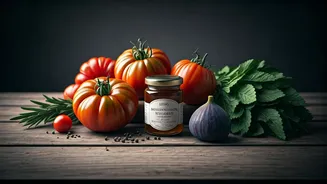
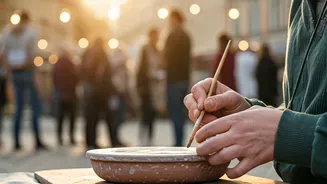
For the hands-on traveler, this trip is less about being served and more about the entire culinary process. It starts at a famed local farmers market, like the one in Santa Fe, New Mexico, or Pike Place in Seattle. The mission: to gather fresh, regional ingredients—Hatch chiles, wild salmon, artisanal cheese—and then turn them into a feast. Many travelers book accommodations with great kitchens (hello, Airbnb) or sign up for a local cooking class. This approach offers a deeper connection to the region’s foodways. You’re not just a consumer; you’re a participant. You get to chat with the farmers, learn the story behind the food, and take home new skills. It’s a trip that nourishes both your stomach and your culinary curiosity.
The Hyper-Regional Deep Dive
Sure, everyone knows about Nashville hot chicken, but what about the distinctive barbecue of the South Carolina Pee Dee region? Or the unique Sonoran-style hot dogs of Tucson, Arizona? This trip is for the food nerd who wants to go beyond the obvious. It involves picking a lesser-known regional cuisine and immersing yourself in it for a weekend. You might explore the Lowcountry cuisine of the Gullah Geechee Cultural Heritage Corridor, tasting perloo rice and she-crab soup from roadside stands and family-run restaurants. Or head to Portland, Maine, to discover that its food scene is much more than lobster rolls (though you’ll eat those, too). These trips require a bit more research but reward you with a genuine sense of discovery and stories that your friends haven’t already heard a hundred times.