
The Rise of the ‘Algorithm Room’
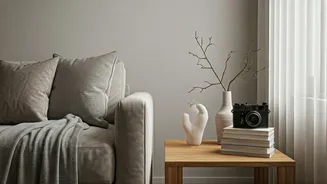
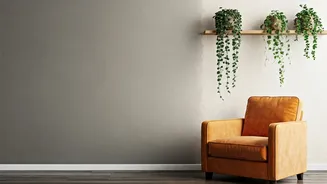
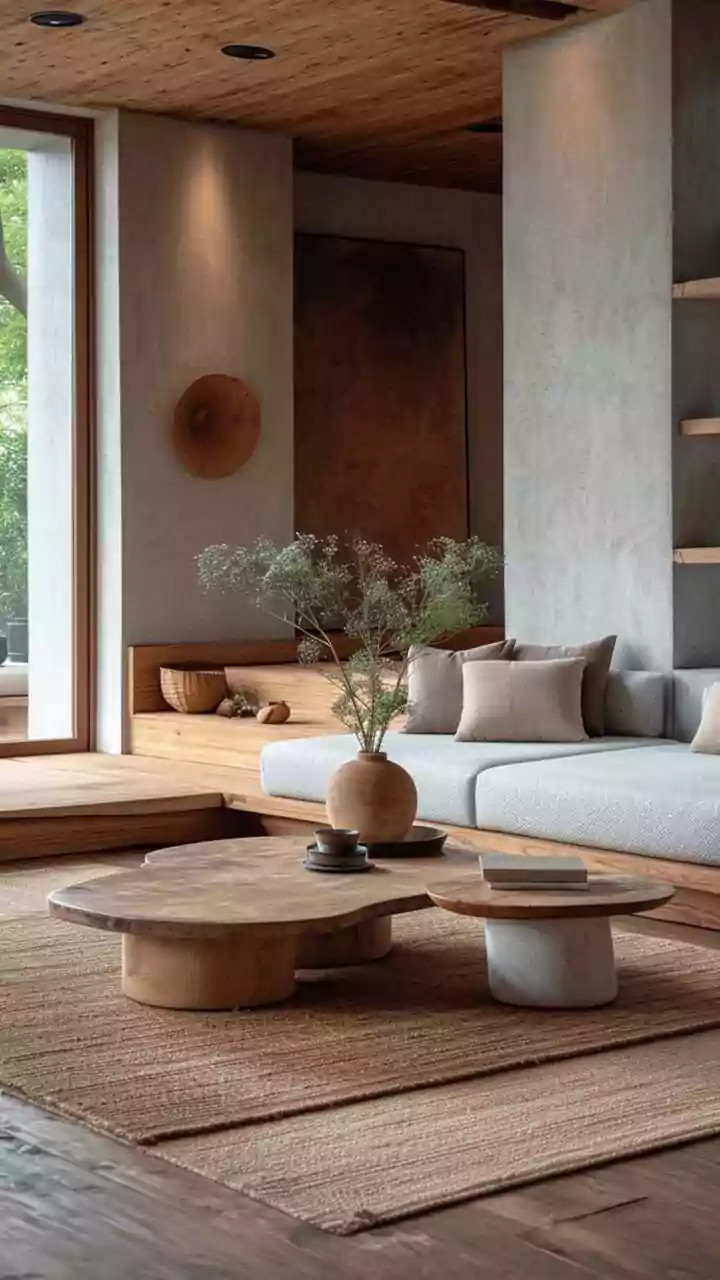
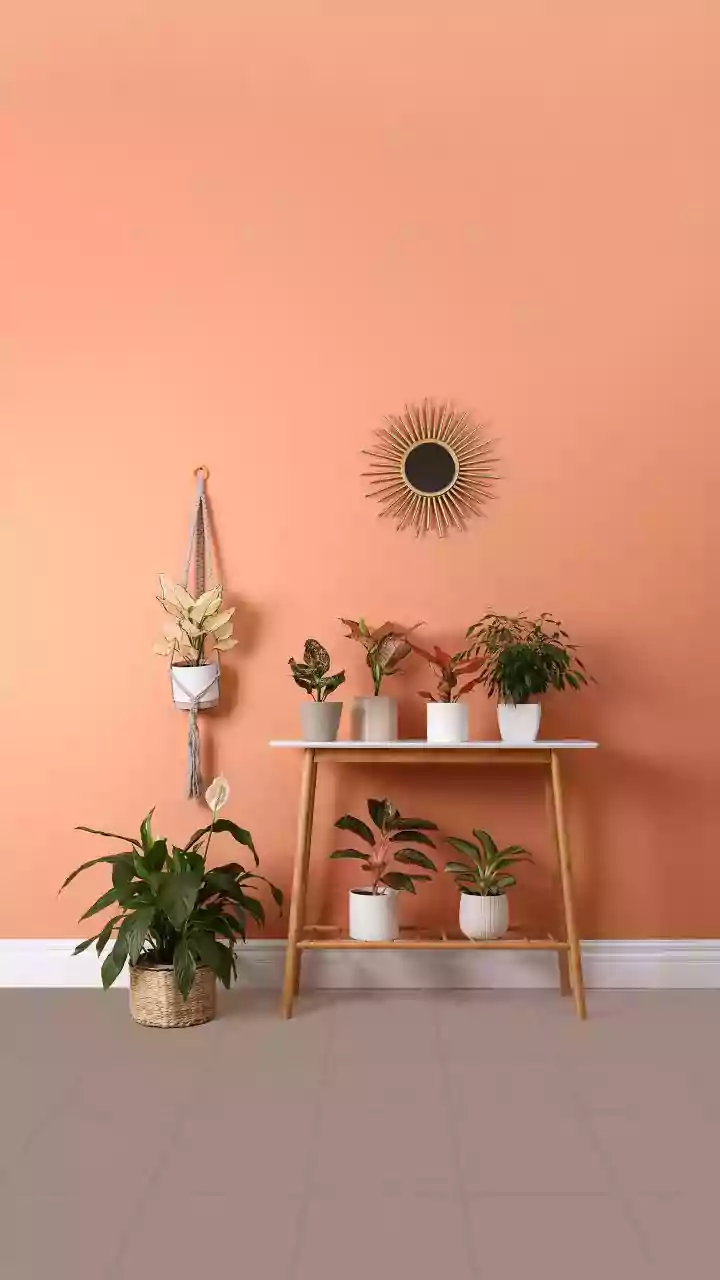
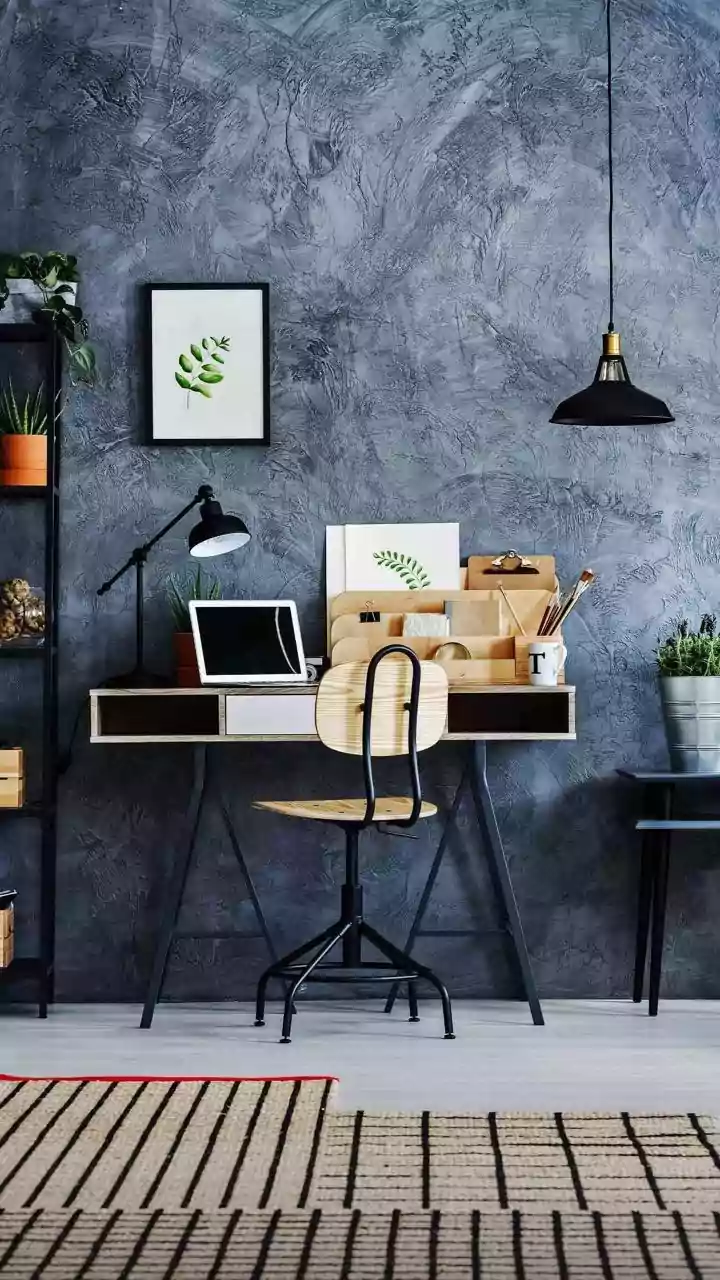
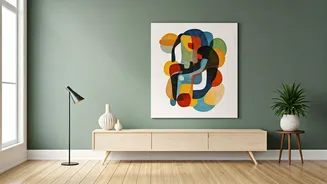
For a while, it felt like we all agreed on what a “nice” home should look like. Influenced by platforms like Pinterest and Instagram, a specific aesthetic took hold. It was a clean, minimalist, and often neutral vision of domestic bliss. Think gray walls,
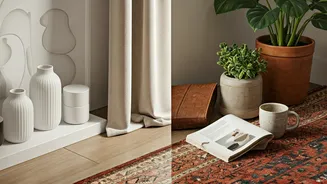
white kitchens, fiddle-leaf figs, and that one specific geometric rug that seemed to be in every starter home in America. This wasn't necessarily a bad thing; it was a shortcut to a polished look, a pre-approved template for style. But this “copy-paste” approach, accelerated by fast-fashion home goods and algorithmic recommendations, came at a cost. Our homes, the most personal spaces in our lives, started to look impersonal. They became showrooms for trends rather than reflections of the people living in them. This phenomenon, sometimes called the “algorithm room” or the “Airspace” aesthetic, created a sense of sameness that, for many, has begun to feel sterile and uninspired. After a while, one perfectly curated beige living room starts to look just like the next.
A Post-Pandemic Search for Meaning
The pushback against this uniformity isn't just about aesthetics; it's deeply psychological. After spending unprecedented amounts of time at home during the pandemic, our relationship with our living spaces fundamentally changed. We stopped seeing them as places to simply sleep and eat, and started seeing them as sanctuaries—our offices, gyms, schools, and safe havens from a chaotic world. This intense period of nesting sparked a desire for genuine comfort and authenticity. People began to question whether a trendy-but-uncomfortable couch was really worth it. The focus shifted from impressing guests (who weren't visiting anyway) to creating a space that truly nurtured the soul. Suddenly, the quirky armchair inherited from a grandparent or the slightly-chipped mug from a favorite vacation spot held more value than any store-bought accessory. We started craving homes that told our story, not the story of a popular hashtag.
The Beauty of a Collected Home
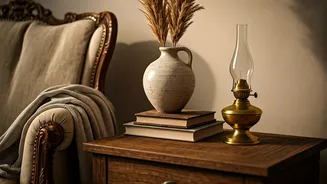
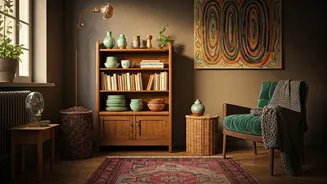
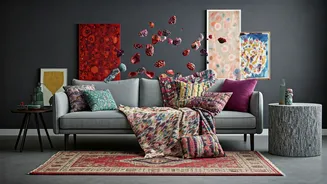
So, what does a home decorated with personal memories look like? It looks like a life well-lived. It’s the opposite of a one-stop-shop design. It’s a “collected home,” built over time with intention and love. This is the essence of emerging micro-trends like “bookshelf wealth,” which isn't about expensive first editions, but about displaying a lifetime of books you've actually read and loved. It's the spirit of “eclectic grandpa” style, which celebrates worn-in leather, dark wood, and objects with history. In this design philosophy, a child's crayon drawing is framed and given the same pride of place as a fine art print. A collection of colorful sea glass from a family trip lines a windowsill. Travel souvenirs aren't hidden in a box; they're displayed on a shelf, each one a trigger for a happy memory. The furniture might not match perfectly, but each piece has a purpose or a past. It’s a space where every object has a 'remember when…' attached to it. This approach creates a layered, textured, and deeply personal environment that can't be replicated because it’s uniquely yours.
How to Tell Your Own Story
Embracing this shift doesn't require a design degree or a massive budget. In fact, it’s about moving away from prescriptive rules. The first step is a mental one: stop asking “What’s in style?” and start asking “What do I love?” and “What tells my story?” Start small. Go through that box in the attic filled with old photos, concert tickets, or postcards. Pick a few favorites and find a way to display them. That beautiful quilt your aunt made? Don't save it for a special occasion; use it as a throw on your sofa. When you travel, buy a small, meaningful object from a local artisan instead of a generic keychain. Let your home evolve with you. Allow it to be a living scrapbook of your experiences, your relationships, and your passions. The goal isn't perfection; it’s personality.