

The Fading Allure of the Beach Party
For years, the script was simple. Finish exams, get a first paycheck, or plan a bachelor party, and the destination was almost always the same: Goa. Its beaches represented a certain kind of freedom—a sun-soaked, laid-back vibe that felt like a rite of passage
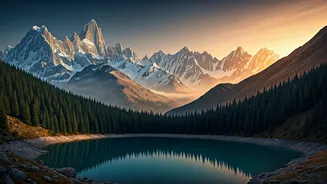
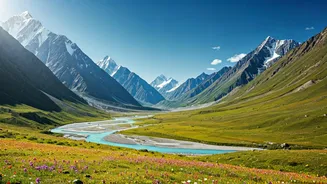
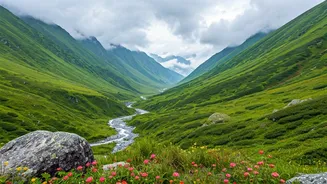
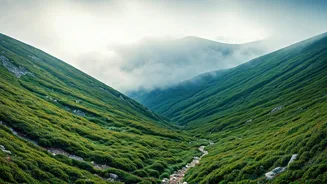
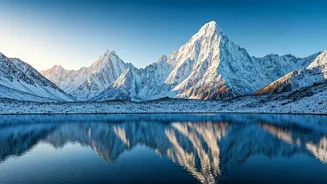
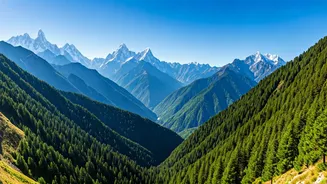
for generations of young Indians. The beach shack, the all-night party, and the promise of a coastal escape defined the quintessential Indian vacation. But the cultural center of gravity for youth travel is quietly migrating northward. While Goa and other coastal hotspots like Gokarna and Pondicherry remain popular, they no longer hold an exclusive monopoly on the aspirations of travelers in their twenties and thirties. A growing sentiment suggests the classic beach vacation has become too crowded, too commercial, and perhaps a little too predictable. The search for something different—something slower, quieter, and more profound—is leading India’s youth to look up, toward the towering peaks of the Himalayas and the rolling hills of the Western Ghats.
The Rise of the Mountain Aesthetic
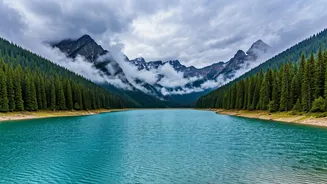
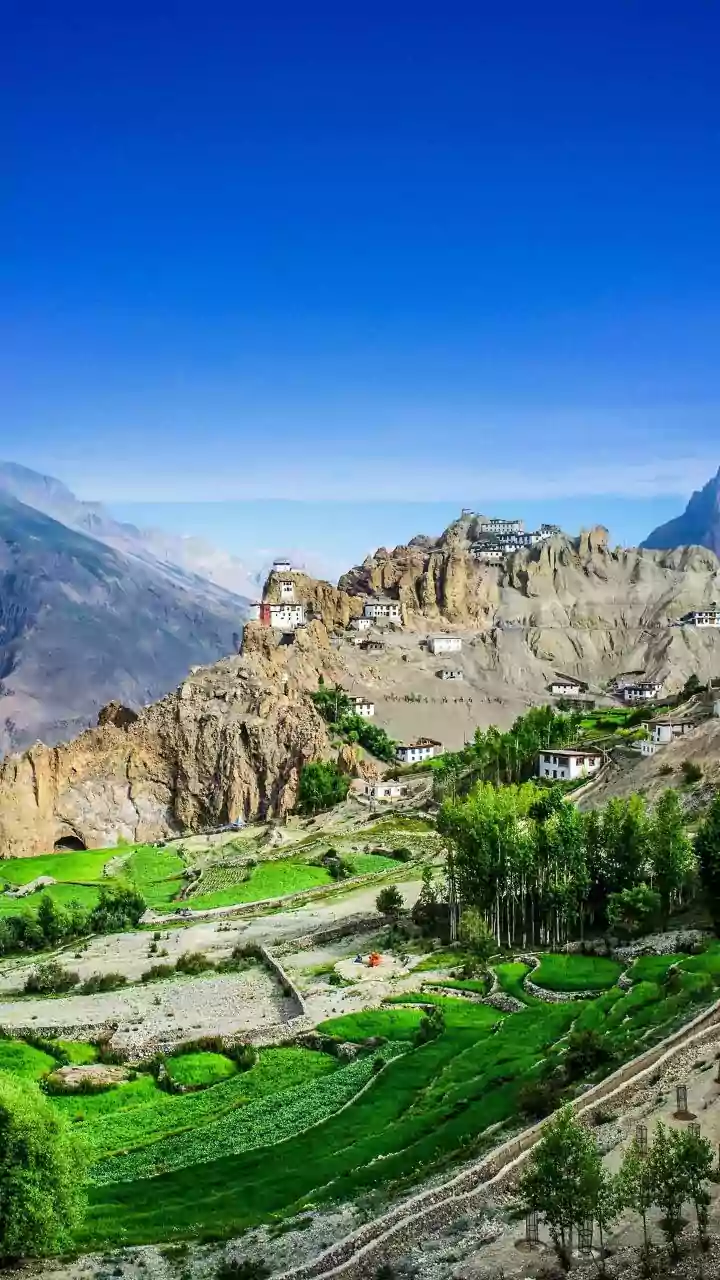
A scroll through Instagram tells the story. The new visual language of a perfect getaway isn't a bikini and a sunset; it’s a steaming cup of tea held against a backdrop of fog-shrouded peaks. It's a laptop open in a wooden cafe in Manali, a group of friends trekking through a pine forest in Uttarakhand, or a solo traveler reading a book on a balcony overlooking a verdant valley in Munnar. This “mountain aesthetic” is a powerful force. It promises introspection, connection with nature, and an escape from the chaotic energy of urban India. Hill stations, once seen as sleepy colonial-era retreats for families and retirees, have been completely rebranded by a new generation. They are now hubs of creativity, remote work, and adventure sports. Places like Bir Billing have become paragliding meccas, while once-quiet villages in Himachal Pradesh and Sikkim are now dotted with boutique homestays and artist retreats, all catering to a digitally savvy urban crowd seeking authenticity.
Post-Pandemic Priorities and the ‘Workation’
The COVID-19 pandemic acted as a massive catalyst for this trend. After months of lockdowns in cramped city apartments, the desire for open spaces, clean air, and solitude became a primary driver for travel. The mountains offered a perfect antidote to urban confinement. This “revenge travel” wasn’t just about a quick trip; it morphed into something more sustained. The widespread adoption of remote work fundamentally changed the equation. Suddenly, a vacation wasn’t limited to a week or two. Young professionals could pack their bags and their laptops for a month, or even longer. The “workation” was born, and the hills were its natural habitat. The cooler climate, lower cost of living compared to major cities, and reliable Wi-Fi in many towns created a perfect storm. Why work from a stuffy apartment in Delhi or Mumbai when you could work with a Himalayan view?
A Search for Slower, Deeper Travel
Beyond the logistics and the visuals, this shift reflects a deeper change in values. The beach trip is often about external energy: parties, crowds, and social spectacle. The mountain journey, by contrast, is increasingly framed as an internal one. It’s about challenging yourself on a trek, finding peace in the quiet, engaging with local culture, and prioritizing wellness over indulgence. This form of “slow travel” resonates with a generation that is more conscious of mental health, sustainability, and meaningful experiences. They are not just consumers of a destination; they want to be participants. This has fueled a boom in activities like yoga retreats, meditation courses, and volunteer opportunities in mountain communities. It’s a move away from travel as an escape from life, and towards travel as a way to enrich it.