


Embrace the Tension Pole
Tension rods, the unsung heroes of renter-friendly shower curtains and closet organization, have found a new calling: vertical gardening. Plant-specific tension poles are now designed to wedge securely between your floor and ceiling, offering multiple
adjustable arms or shelves to hold several small-to-medium-sized pots. This method creates a stunning floor-to-ceiling column of greenery without a single screw. It's an instant feature wall that makes a huge impact in a small footprint, perfect for sunny corners or empty spaces next to a window. When it's time to move, you just release the tension, and it’s like it was never there.
Trust in Modern Adhesives
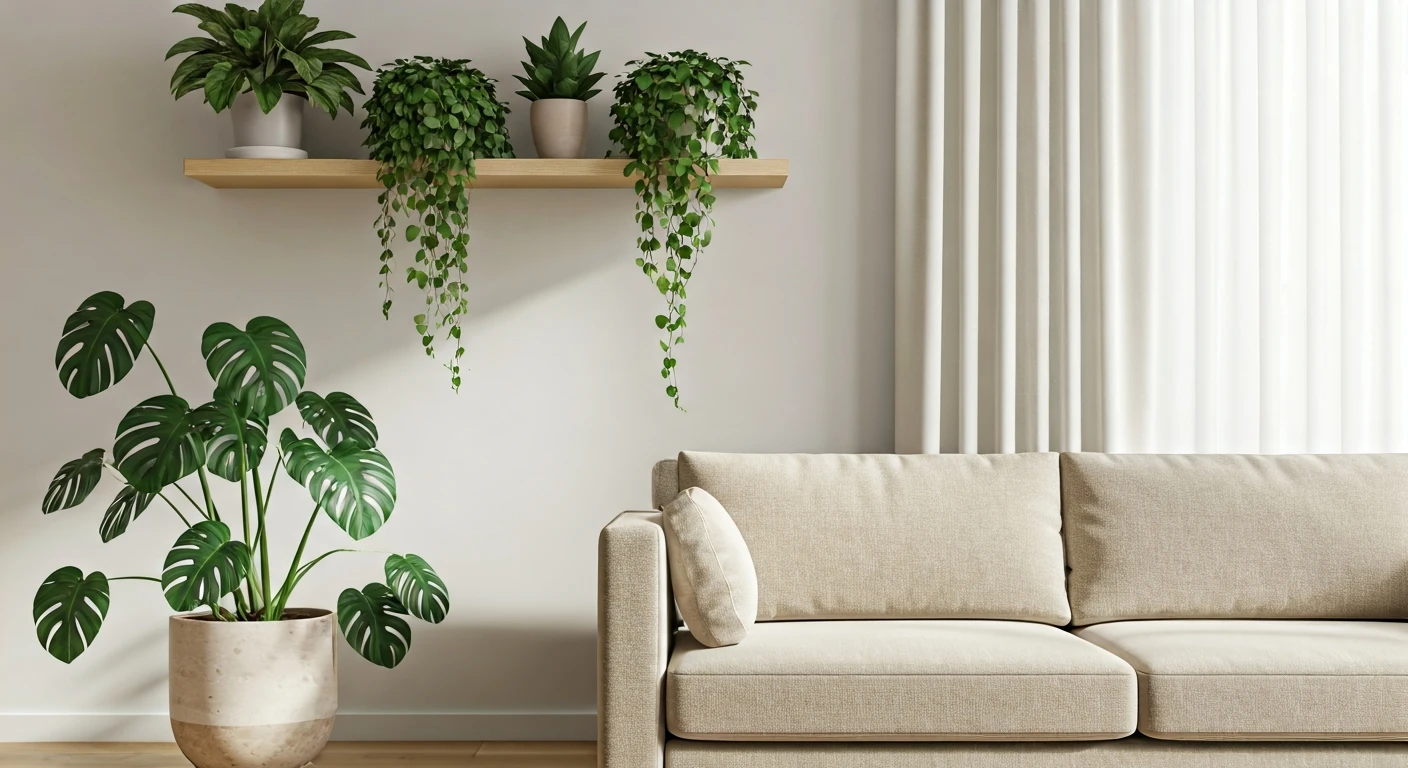
Forget the flimsy, yellowing stick-on hooks of the past. Today’s adhesive technology is impressively strong and, more importantly, cleanly removable. Brands like Command have expanded their lines to include small, clear hooks perfect for hanging lightweight vining plants like pothos or string of pearls. There are even adhesive-backed shelves and small ledges rated to hold a few pounds. These allow you to create floating plant displays on walls, window frames, or even the side of a cabinet. Just be sure to check the weight limit on the package and give the adhesive proper time to cure before adding your plant.
Rethink Your Pots and Soil
The sheer weight of traditional terracotta pots filled with dense potting soil can be a renter’s nightmare, posing a risk to flimsy shelves and even floors. The modern alternative is a combination of lightweight materials. Look for planters made from fiberstone, resin, or high-quality recycled plastic that mimic the look of stone or ceramic without the back-breaking weight. Inside the pot, consider a lighter growing medium. A mix of coir (coconut fiber), perlite, and orchid bark can significantly reduce the overall weight compared to standard topsoil, making your plants safer to place on furniture, stands, or those nifty adhesive shelves.
Invest in Self-Watering Planters
One of the biggest security deposit risks isn't a hole in the wall—it's a water stain on the hardwood floor or a warped windowsill. Self-watering planters are the ultimate defense against accidental overflows and drips. These clever pots use a reservoir system that allows the plant to draw up water as needed from a separate, contained chamber at the bottom. This not only prevents messy spills but also helps prevent overwatering, a common cause of plant death. You fill the reservoir every week or two, and the planter does the rest, giving you peace of mind and healthier plants.
Use Suction Cups and Magnets
Some of the most underutilized real estate in a rental apartment is vertical and metallic. Small, stylish planters with strong suction cups are designed to stick directly onto windows, providing maximum sunlight for herbs and succulents. This is a brilliant solution for kitchens that lack a sunny windowsill. Similarly, magnetic planters can turn the side of your refrigerator or a metal filing cabinet into a living wall. These are typically best for very small plants like air plants or tiny succulents, but they add a surprising and delightful touch of green to unexpected places.
Get Creative with Freestanding Stands
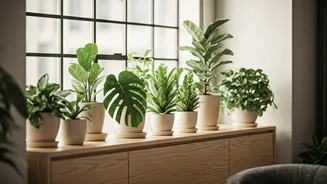
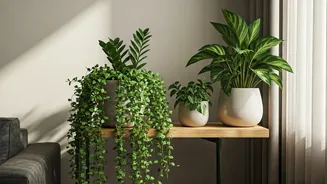
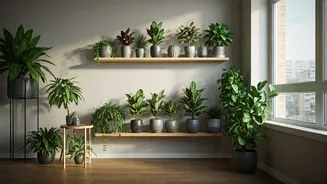
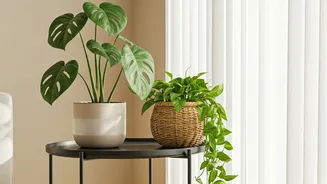
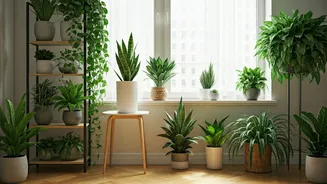
Sometimes the simplest solution is the best one. While not a new invention, the plant stand has undergone a design renaissance. Forget the wobbly wire racks of the past; today’s options are stylish pieces of furniture in their own right. Look for multi-tiered ladder stands that can hold an entire collection in a compact vertical space, or elegant mid-century modern style stands that elevate a single statement plant. Grouping several stands of varying heights together creates a dynamic, layered look that feels intentional and curated, all while keeping your pots (and any potential moisture) safely off the floor.