

More Than Just a View
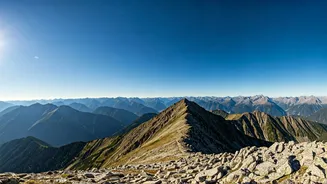
When we talk about high-altitude trips, we’re not just talking about the life-risking ascents reserved for elite mountaineers. The trend encompasses a broad spectrum of experiences, from multi-day treks to the base of Everest in Nepal and along Peru’s
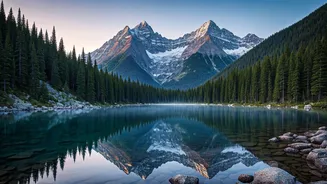
Inca Trail to luxury stays in the high deserts of Utah or the alpine meadows of the Swiss Alps. These journeys, defined by their elevation and often-rugged landscapes, have solidified their place in the travel zeitgeist. Instead of waning in a world of fleeting trends, their popularity is sustained by a powerful combination of psychological rewards, physical challenge, and unparalleled natural beauty. It’s a category of travel that asks something of you and, in return, offers something profound.
The Search for 'Profound Discomfort'
In an age of constant connectivity and curated comfort, the appeal of high-altitude travel lies partly in its deliberate rejection of both. At 14,000 feet, there is no reliable Wi-Fi, no Slack notifications, and no endless scroll. This forced digital detox has become a primary driver for burnt-out professionals and screen-fatigued millennials. The 'discomfort' of a cold morning, a strenuous hike, or simplified lodging becomes a feature, not a bug. It’s a return to basics that grounds travelers in the present moment. The singular focus required—one foot in front of the other, breathe in, breathe out—is a form of active meditation that our overstimulated brains crave. The silence of a vast mountain valley offers a mental clarity that a bustling resort simply cannot match.
Redefining Luxury and Achievement
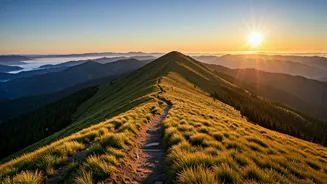
The definition of a 'luxury' vacation is shifting. For a growing number of travelers, true luxury isn't about thread counts and butler service; it's about access, exclusivity, and experience. What’s more exclusive than a sunrise view from a remote mountain pass that only a handful of people will see that day? High-altitude trips deliver this in spades. The payoff is earned, not purchased. Completing a challenging trek provides a deep, lasting sense of accomplishment that stands in stark contrast to the passive consumption of a typical vacation. It rewires the brain’s reward system, linking happiness not with indulgence, but with effort and resilience. This feeling of 'I did that' becomes the most valuable souvenir, a story of personal triumph that lasts long after the muscle soreness fades.
Accessible Adventure is Here
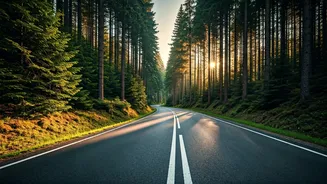
A crucial factor in the staying power of high-altitude travel is its increasing accessibility. What was once the domain of hardcore adventurers is now available to a much broader audience. Tour companies have perfected the art of 'comfortable challenge,' offering guided treks with porters to carry heavy gear, well-appointed teahouses or lodges with surprisingly cozy amenities, and expert guides trained in managing acclimatization. Destinations like Colorado's Rockies or even sections of the Alps offer robust infrastructure, allowing for day hikes that provide the epic views without the need for a multi-week commitment. This spectrum of options means a family can enjoy a scenic drive to a high-mountain lodge while a seasoned trekker can tackle a technical pass, all under the umbrella of 'high-altitude travel.'