
Beyond the Sweet Shop
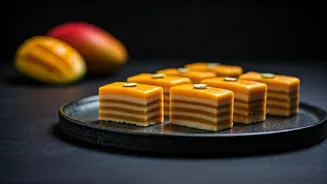
If your experience with South Asian food is limited to curries and naan, mithai is the dazzling dessert course you’ve been missing. The term refers to a vast category of confections from the Indian subcontinent, often exchanged during celebrations like
Diwali and Eid. But when we talk about “mithai flavors,” we’re not just talking about the sweets themselves. We’re talking about their soulful, aromatic building blocks. Think beyond simple sugar. These are flavors with history and personality. There’s cardamom, with its floral, slightly spicy notes that can warm up a latte or a cookie. There’s saffron, the prized crimson threads that impart a honeyed, earthy luxury to anything they touch. Rosewater adds a fragrant, almost romantic, perfume, while pistachios and almonds provide a rich, nutty foundation. Jaggery, an unrefined cane sugar, offers a deep, molasses-like sweetness that’s far more interesting than plain white sugar. For generations, these flavors were a symphony played primarily within traditional mithai boxes. Now, they’ve broken out of the box and are playing solo on a much bigger stage.
From Traditional Treat to Trendy Ingredient
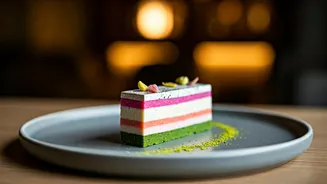
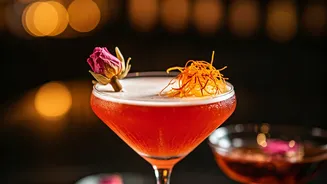
The “cool-girl moment” isn’t about replicating a perfect gulab jamun or jalebi. It’s about deconstruction. It’s about taking that iconic flavor palette and splashing it across the modern American menu. Suddenly, the cardamom isn’t just in kheer; it’s in your morning cold brew. The rose isn’t just in falooda; it’s glazing a high-end doughnut. The saffron isn’t just coloring biryani; it’s infusing a craft cocktail. This reinvention is where the trend truly lives. Artisan ice cream shops are leading the charge. New York’s Malai, for example, built its entire brand on scents and flavors from founder Pooja Bavishi’s childhood, with hits like Rose with Cinnamon Roasted Almonds and Masala Chai. Bakeries are whipping up pistachio-cardamom croissants and saffron-ginger cookies. This new wave of treats often comes with a distinct aesthetic: minimalist packaging, clean fonts, and Instagram-friendly pastel hues. It’s a deliberate departure from the traditionally vibrant, sometimes chaotic, look of a classic mithai shop, signaling that these flavors have been translated for a new, design-conscious audience.
A Story of Identity and Innovation
So, why now? This trend is a delicious byproduct of the growing cultural confidence of the South Asian diaspora in America. For years, immigrant food often existed in two modes: hyper-traditional for the community or watered-down for the masses. Today, a new generation of chefs, bakers, and entrepreneurs are done with apologizing for their heritage. They are embracing the flavors they grew up with, not as something to be hidden or toned down, but as a source of creative inspiration. These creators are “third-culture kids” who are fluent in both the culinary language of their parents and the trends of modern American dining. They see no conflict in putting masala chai spices into a tres leches cake or using jaggery to sweeten a Basque cheesecake. It’s not fusion for the sake of novelty; it’s a natural expression of their hybrid identity. They are telling their own stories through food, and it turns out, America is hungry for what they have to say.
Your New Favorite Flavor Profile
This movement is about making the specific universal. It’s about taking flavors that were once considered “ethnic” and showing that they are, in fact, just plain delicious and versatile. What started in diaspora kitchens and community-focused businesses in places like New York, the Bay Area, and Chicago is now percolating into the mainstream. You might see it in the spice blend of a boutique chocolate bar, the syrup options at a third-wave coffee shop, or on the dessert menu of a New American restaurant that has nothing to do with Indian cuisine. That’s the ultimate sign of success: when a flavor is so good it no longer needs a backstory to justify its presence. It’s just there because it belongs.