



From the Small Screen to Your Itinerary
Remember when a trip to Paris was all about the Eiffel Tower and the Louvre? For a new wave of travelers, it’s about snagging a table at Terra Nera, the real-life restaurant where Emily’s boss has a dramatic meltdown in *Emily in Paris*. This is “set-jetting”—the
growing trend of planning entire vacations around the filming locations of popular TV shows and movies. It’s not just a niche hobby; it’s a mainstream driver of tourism. According to a recent report from Expedia, more than half of global travelers say TV shows and films now influence their travel plans. After *The White Lotus* turned Sicily’s San Domenico Palace into a character of its own, the hotel saw a surge in bookings. Similarly, Northern Ireland and Croatia have built entire tourism campaigns around their roles in *Game of Thrones*. This phenomenon goes beyond simple sightseeing. Fans aren’t just visiting a place; they’re trying to step inside a story. It’s about feeling the sun on your face the way a beloved character did, or walking the same cobblestone streets, transforming a passive viewing experience into an active, immersive adventure.
More Than a Meal, It's the Main Event
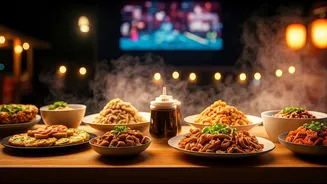
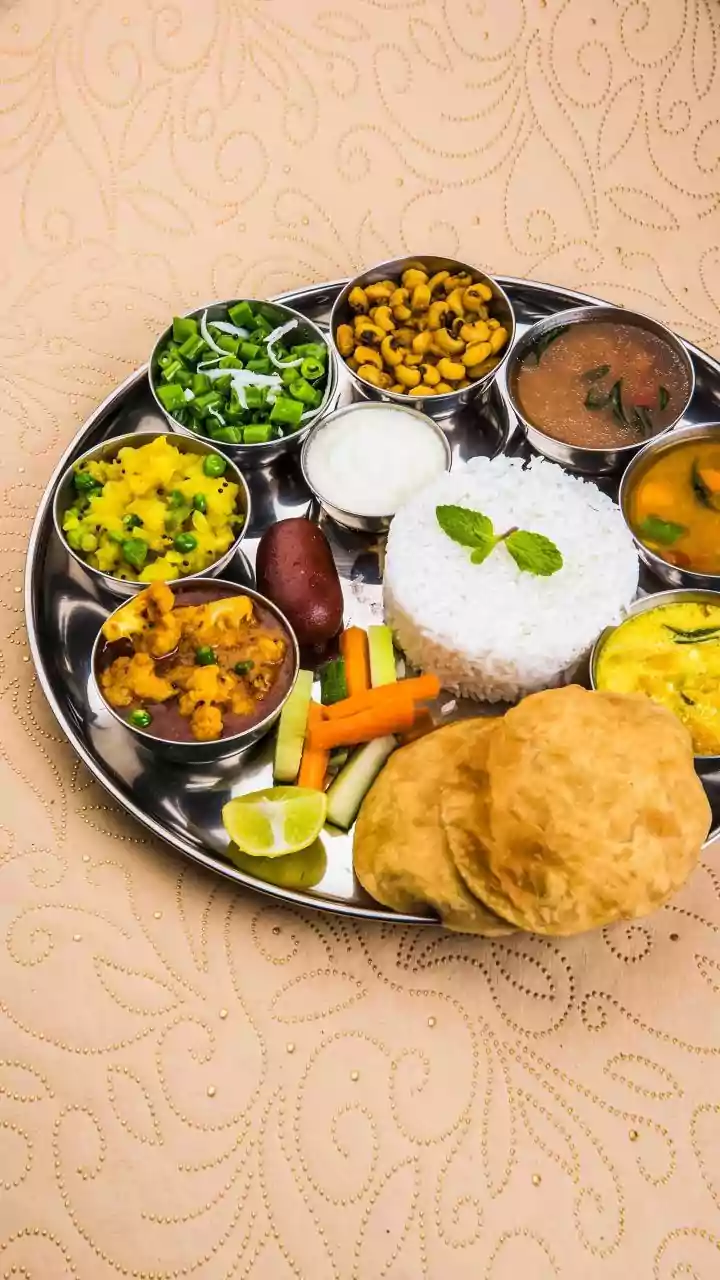
At the same time, the definition of a “foodie vacation” has radically changed. While fine dining still has its place, the real energy is on the street. Travelers are increasingly bypassing formal reservations to hunt down the most authentic, vibrant, and accessible food experiences, often found clustered on bustling “food streets” and in night markets. Cities like Bangkok, Singapore, and Mexico City have long been pilgrimage sites for street food lovers, but the trend has gone global. It’s about the sensory overload of a night market, navigating stalls sizzling with satay, steaming with dumplings, or pressing fresh tortillas. This isn’t just about finding a cheap eat. It's a form of cultural immersion that a three-course, white-tablecloth meal can rarely offer. You’re eating shoulder-to-shoulder with locals, watching your food be made with generations of expertise, and tasting the true, unpretentious flavor of a place. The food is no longer just a part of the trip; for many, it *is* the trip.
The Social Media Feedback Loop
What connects the cinematic landscapes of *The White Lotus* and the messy, delicious joy of a street taco? They both look amazing on a screen. The rise of these travel trends is inextricably linked to the power of Instagram and TikTok. A dramatic cliffside from a fantasy series or a perfectly composed shot of a bowl of ramen are visual catnip. This creates a powerful cycle: Travelers see a stunning location or a mouth-watering dish on their feed. They are inspired to go, experience it for themselves, and—crucially—capture their own version to share. Each post acts as an advertisement, amplifying the destination’s appeal and cementing its place on the cultural map. It transforms travel from a personal memory into a shareable piece of content. This isn’t necessarily a cynical act; it’s about participating in a global conversation, showing your friends and followers that you, too, have stepped into that story or tasted that incredible flavor.
The New Age of Experiential Travel
Ultimately, the dual rise of pop culture tourism and street food obsession signals a deeper shift in what we want from travel. We’re moving away from passive observation and toward active participation. The goal is no longer just to *see* the world, but to *feel* it. We want a narrative, a sensory memory, a story to tell that’s more personal than a photo of a famous statue. This desire for experience is reshaping destinations themselves. Tour operators are creating specific set-jetting itineraries, and cities are promoting their food markets as primary attractions. It’s driving traffic to regions and neighborhoods that might have been overlooked in the past, spreading the economic benefits of tourism more widely. The modern traveler is a curator, piecing together an itinerary based on emotion, story, and flavor, creating a trip that is uniquely their own.