

The World in Emerald Green
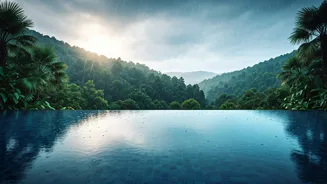
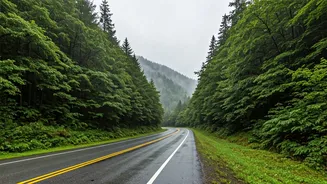
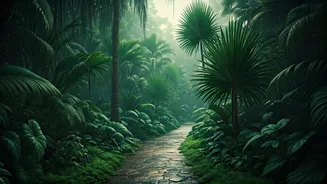
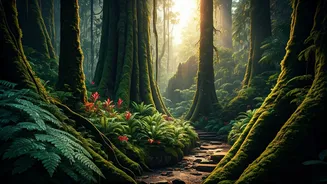
The single most compelling reason to travel during the monsoon is the sheer, dramatic beauty. In destinations across Southeast Asia and Central America, the so-called “green season” is when the landscape truly comes alive. The dust of the dry season is washed
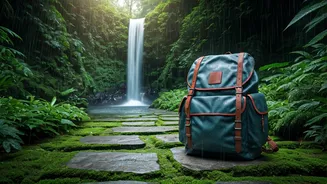
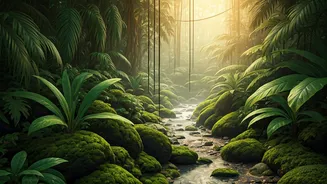
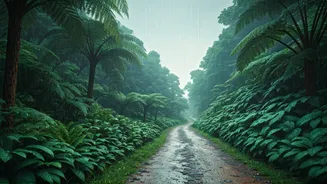
away, replaced by a thousand shades of emerald, jade, and lime. Imagine the terraced rice paddies of Vietnam or Bali, shimmering and electric green under moody skies. Picture the backwaters of Kerala, India, where the canals are flanked by impossibly lush vegetation, or the rainforests of Costa Rica, where the flora is at its most vibrant and the waterfalls are at their most powerful. This isn't just a trip; it's a full sensory immersion. The air smells clean, earthy, and alive. The sound of rain on a tin roof becomes a soothing soundtrack to your afternoon nap. For photographers and nature lovers, it’s an unparalleled opportunity to see these iconic destinations in their most verdant, atmospheric state.
Fewer Crowds and Lower Prices
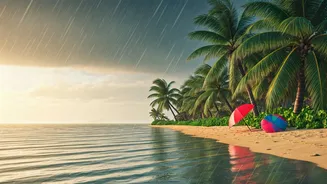
Here's the practical magic of off-season travel: while everyone else is fighting for a patch of sand in July, you’re enjoying world-class destinations without the crowds. The monsoon season is the ultimate shoulder season. Major tourist sites that are typically overrun, like Angkor Wat in Cambodia or the temples of Chiang Mai in Thailand, become far more serene and personal. You can explore at your own pace, take photos without a dozen strangers in the background, and get a more authentic feel for the place. This drop in demand translates directly into significant savings. Airlines often slash their prices to fill seats, and hotels—including five-star luxury resorts—offer steep discounts and attractive package deals to lure travelers. Your budget can suddenly stretch to a pool villa that would have been unthinkable during peak season. It’s the ultimate travel hack: experiencing a premium destination for a fraction of the cost, all while avoiding the tourist hordes.
A Deeper Cultural Connection
In many cultures, the monsoon isn't an inconvenience to be endured; it’s a celebrated, life-giving event. Traveling during this time offers a unique window into local life. In India, the arrival of the rains is a joyous occasion, met with festivals and a specific cuisine of comfort foods like hot chai and fried pakoras. It's a time for renewal and reflection. In Southeast Asia, the rhythm of daily life shifts. The rains often come in predictable, powerful bursts in the afternoon, leaving mornings clear for exploration and evenings cool and refreshed. This is when you'll find locals gathering in cafes, watching the downpour, and simply enjoying the break from the intense heat. By embracing the season rather than avoiding it, you connect with the destination on a more intimate level, sharing in a cycle that has shaped its culture, agriculture, and spirit for centuries.
Know Before You Go
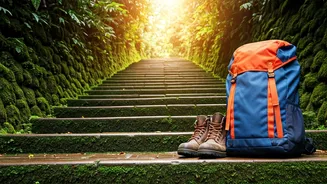
Of course, a monsoon vacation requires a bit of savvy planning. This isn't a fly-and-flop beach holiday. The key is flexibility. Your itinerary should have room for changes, as heavy rains can sometimes cause temporary road closures or lead to the cancellation of boat tours. It’s also not a constant downpour. Most monsoon weather consists of intense but short-lived showers, usually in the afternoon, leaving plenty of time for activities. Pack smart: lightweight, quick-drying clothes are your best friend. A reliable waterproof jacket and shoes that can handle wet conditions are non-negotiable. And don't forget insect repellent, as mosquitoes can be more prevalent. Research your specific destination carefully. Some coastal areas, particularly those prone to cyclones or severe flooding, are best avoided. But regions like northern Thailand, inland Bali, or the highlands of Vietnam offer a perfect balance, providing all the atmospheric benefits of the green season with minimal disruption.