



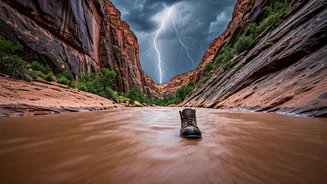


The Allure of the Storm
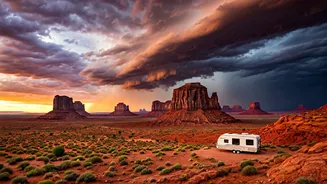
In the American Southwest, the summer monsoon is more than a weather pattern; it's a cultural event. After months of triple-digit temperatures and relentless sun, the arrival of dramatic thunderheads and torrential downpours feels like a regional holiday.
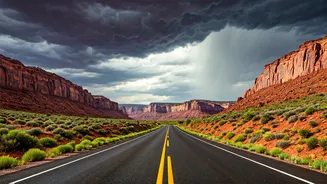
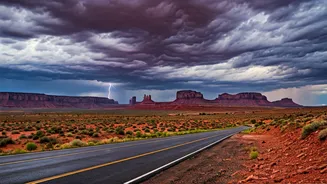
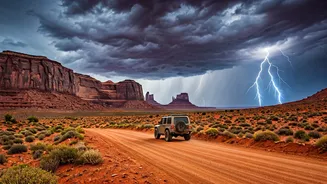
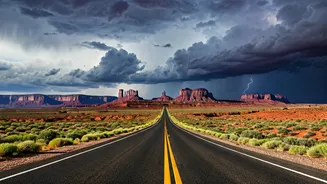
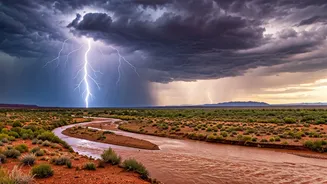
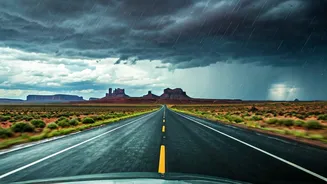
The ‘monsoon drive’ is a ritual born from this relief. It’s the act of getting in your car, often with a curated playlist, to simply drive toward the storm. The appeal is deeply sensory: the mesmerizing rhythm of windshield wipers, the dramatic light of lightning fracturing a dark sky, and the cool air finally pushing out the oppressive heat. It’s a moment of communion with a powerful, life-giving force in a region defined by its scarcity.
A Social Media Phenomenon
What was once a personal, almost meditative experience has morphed into a full-blown social media “craze.” On platforms like TikTok and Instagram, the hashtag #monsoondrive floods feeds with short, atmospheric videos. Dash-cams capture stunning lightning strikes, and phone cameras pan across rain-streaked windows showing saturated desert landscapes. These clips, often set to moody, cinematic music, transform a simple drive into a shareable aesthetic. For viewers, it’s a vicarious thrill—a glimpse into a beautiful, tempestuous world. For creators, it's about capturing and sharing an ephemeral moment of natural drama, turning the raw power of the weather into content that is both relatable and awe-inspiring.
The Desert's Dramatic Shift
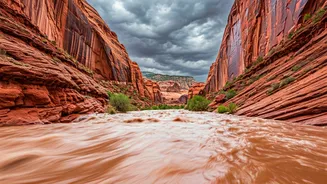
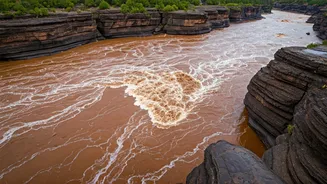
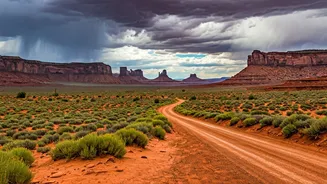
For those unfamiliar with life in states like Arizona, New Mexico, and Nevada, the concept of a monsoon can be misleading. It’s not just a big rainstorm. The North American Monsoon is a seasonal shift in wind patterns that pulls moisture up from the Pacific Ocean and Gulf of California, typically from June through September. This influx of humidity interacts with the intense desert heat to build colossal, fast-moving thunderstorms. These storms can drop inches of rain in under an hour, transforming bone-dry riverbeds, known as washes or arroyos, into raging torrents. The landscape, baked hard by the sun, can’t absorb the water quickly, leading to dangerous runoff and a dramatically altered environment in mere minutes.
The Reality Behind the Reel
The romance of the monsoon drive collides with a harsh reality: these storms are profoundly dangerous. The same deluge that creates stunning visuals also creates lethal hazards. Flash floods are the most significant threat. A road that was perfectly safe moments before can become submerged in fast-moving water, capable of sweeping a vehicle away. Visibility can drop to near zero in an instant, not just from rain but also from the massive dust storms, or haboobs, that often precede the thunderheads. The first rain on oil-slicked asphalt makes roads incredibly slippery, leading to hydroplaning at speeds as low as 35 mph. The beautiful lightning is a real threat to anyone who might get out of their car to capture that perfect photo.
Driving Smart in the Storm
Appreciating the monsoon doesn’t have to mean putting yourself in harm’s way. Local authorities and longtime residents share the same core advice. First and foremost: respect the water. The National Weather Service slogan, “Turn Around, Don't Drown,” is a literal lifesaver. It takes only six inches of moving water to knock you off your feet and just a foot to sweep a car away. Never attempt to cross a flooded wash. Many states, like Arizona, have a “Stupid Motorist Law” that can hold drivers financially responsible for the cost of their rescue if they drive around barricades into a flooded area. If caught in a dust storm, the official advice is to pull off the road as far as possible, turn off your lights, and take your foot off the brake to avoid being rear-ended by someone following your tail lights. Check weather alerts before you go, and if the conditions look severe, enjoy the storm from the safety of a sturdy building.