





It's Not 'Just Rain'
For visitors to the desert Southwest, the word “monsoon” can be misleading. It doesn’t conjure images of the drenching, multi-month rains of Southeast Asia, but it should command the same level of respect. The North American Monsoon, typically running
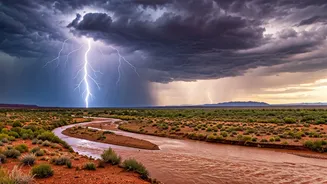
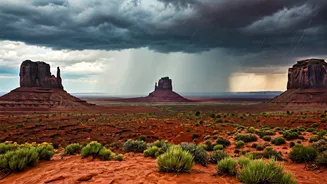
from mid-June through September, is a pattern of intense, localized thunderstorms born from a complex weather engine. Extreme summer heat on the plateaus of Arizona, Utah, New Mexico, and Colorado pulls in moisture from the Pacific Ocean and Gulf of Mexico. When this humid air hits the hot, high terrain, it explodes upward, forming towering thunderheads that can unload a staggering amount of rain in a very short time. A serene canyon under blue skies can be a raging torrent an hour later, with the storm that caused it still miles away and completely out of sight.
The Twin Terrors: Floods and Lightning
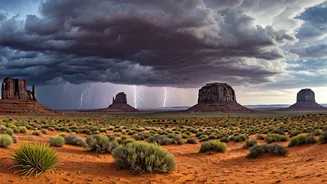
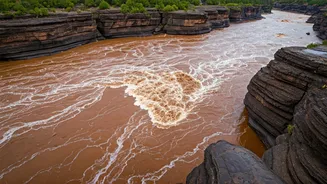
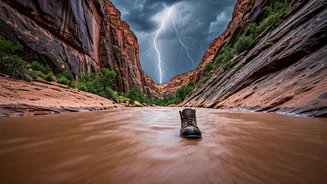
The primary dangers of the monsoon are brutally efficient. First are the flash floods. The baked, rocky ground of the desert doesn't absorb water; it sheds it. Rain funnels rapidly into dry creek beds, known as arroyos or washes, and into the region's iconic slot canyons. These narrow, stunningly beautiful geological formations become inescapable death traps. A wall of water, debris, and mud can move at terrifying speeds, scouring the canyon from wall to wall. In 2015, a flash flood in a Zion National Park canyon killed seven hikers who were caught by a storm that was miles upstream. They likely never even saw the rain that doomed them. The second threat is lightning. During a monsoon storm, the highest point for miles around might be you. Hikers on exposed ridges, mountain summits, or even flatlands are exceptionally vulnerable. The advice to “not stand under a tall tree” is complicated when there are no trees at all. These storms can produce thousands of lightning strikes per hour, turning a scenic vista into a deadly electrical minefield.
The Forecast Is Your First Line of Defense
The “reality check” begins before you even lace up your boots. In the age of social media, the temptation to capture the perfect shot in a majestic location can override common sense. But in monsoon season, your most important tool isn't your camera; it's the weather forecast. Check the National Weather Service (NWS) daily. Pay close attention to “Flash Flood Watch” (conditions are favorable) versus “Flash Flood Warning” (a flood is imminent or occurring). Many popular trails, especially slot canyons, are closed by land managers like the National Park Service when the flood potential is high. Heed these warnings without question. Have a backup plan for a low-elevation, indoor, or non-canyon activity. The single most important decision you can make is to cancel your plans based on a forecast. The canyon will be there tomorrow; you need to make sure you are too.
Reading the Signs on the Trail
If you are out, constant vigilance is key. Monsoon storms typically build in the afternoon. Start your hike early and plan to be back at the trailhead or in a safe location by noon. On the trail, you are your own best weather forecaster. Watch the sky. Are clouds building and darkening? Can you hear distant thunder? If you can hear thunder, you are close enough to be struck by lightning. This is your non-negotiable signal to turn back or seek safe shelter immediately. If you're near a wash or canyon, look for signs of an approaching flood: a sudden change in water color from clear to muddy, an increase in floating debris, or a roaring sound upstream. Do not try to outrun it or cross it. Your only option is to get to high ground as fast as humanly possible and wait it out.