

From a Stage to a Sanctuary
Not long ago, the pinnacle of home design was a space that looked good on camera. Driven by the visual currency of Instagram and Pinterest, 'dopamine decor'—with its vibrant colors, quirky statement pieces, and bold patterns—was king. Homes were designed
to be seen, to perform, to project a personality. But a quiet rebellion is underway. After years of global uncertainty, digital burnout, and the blurring of work-life boundaries, the home’s primary function is being re-evaluated. It’s no longer enough for a home to be pretty; it needs to be a refuge. The focus has shifted from creating a stage for your life to building a sanctuary from the outside world. This isn't just about aesthetics; it’s a psychological reset, a conscious effort to design spaces that actively reduce stress and promote well-being.
The Rise of the 'Quiet Home'
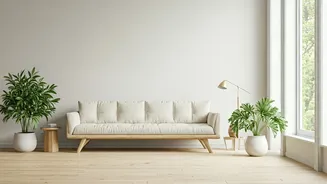
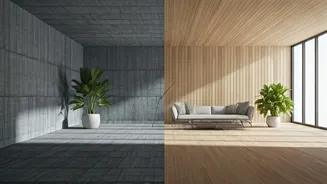
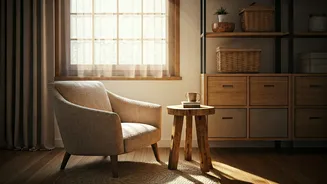
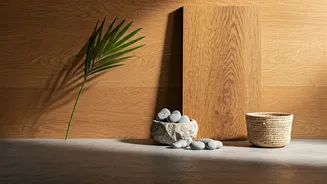
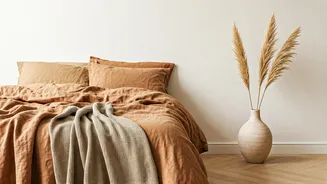
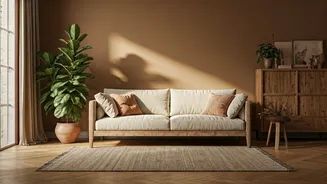
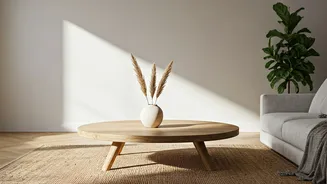
The new peaceful interior leans into what some designers call the 'quiet home.' This philosophy champions subtlety over spectacle. Instead of loud colors, you’ll find earthy, muted palettes: shades of beige, cream, moss green, and terracotta that soothe the eye. Sharp, aggressive lines are being replaced by soft curves in furniture, from rounded sofas to arched doorways, which create a more gentle, organic flow. The emphasis is on texture and materiality. Think of the nubby weave of a linen couch, the smooth grain of a light oak table, the cool surface of a travertine coffee table, or the comforting weight of a wool blanket. These are spaces designed to be touched and experienced, not just viewed. It’s a multisensory approach that prioritizes tactile comfort and visual restfulness over eye-catching novelty.
Bringing the Outside In
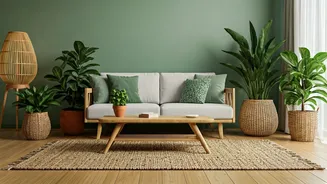
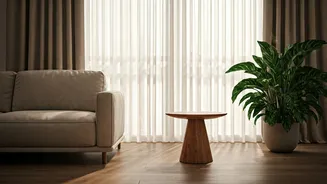
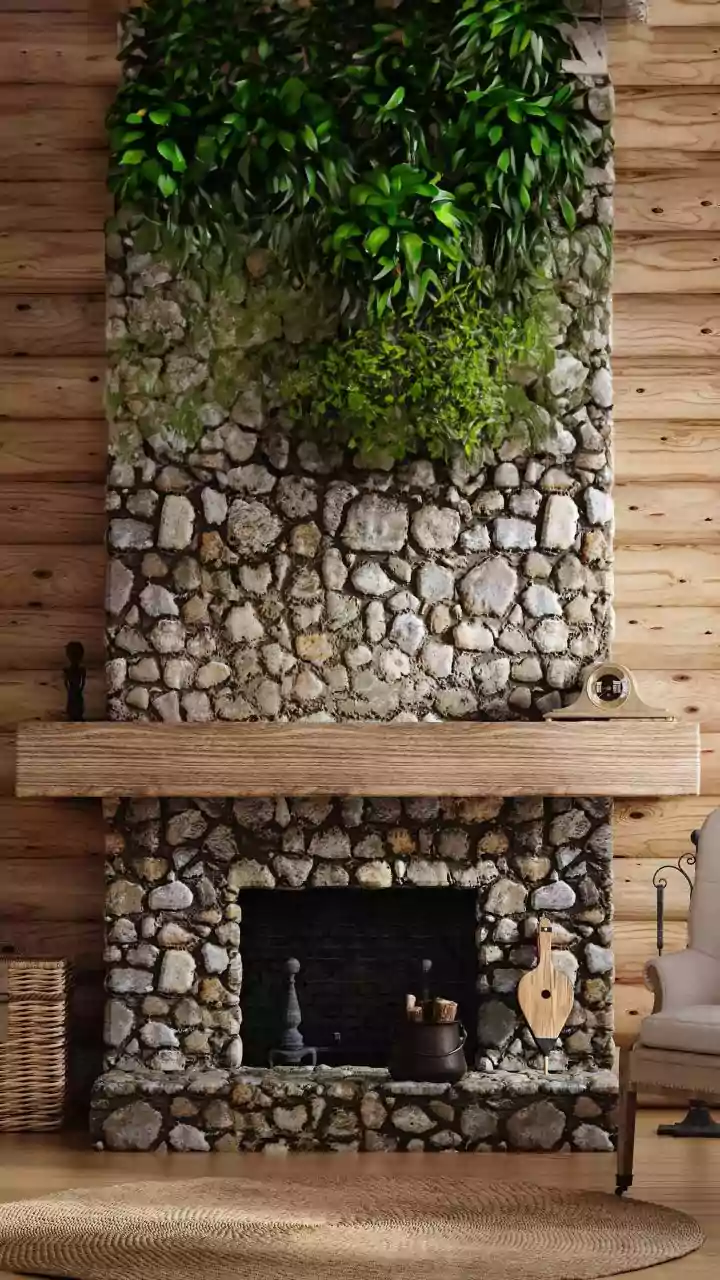
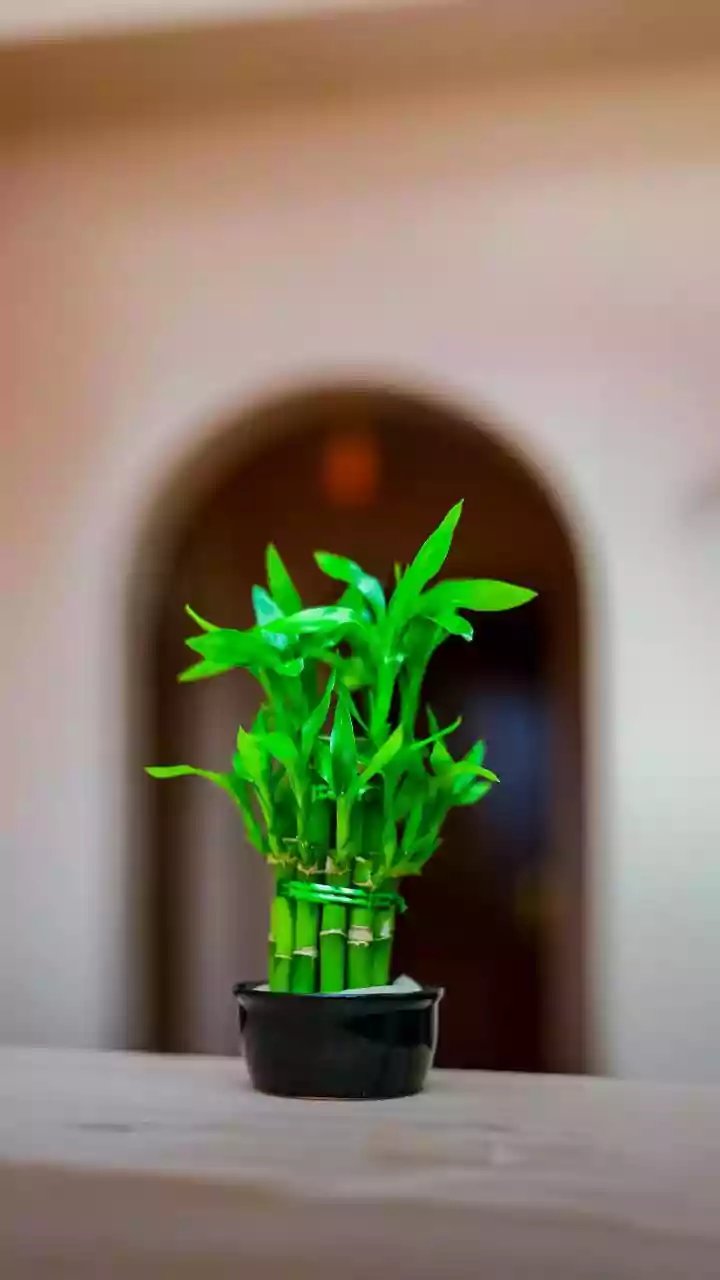
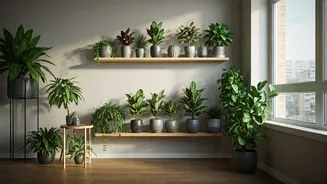
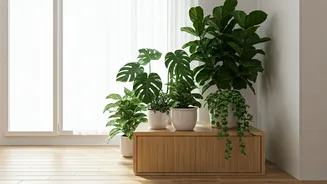
A core pillar of the peaceful home is biophilic design—the practice of connecting people with nature within their built environments. The benefits are backed by science; exposure to natural elements can lower cortisol levels, reduce blood pressure, and improve mental clarity. In practice, this means more than just scattering a few houseplants around. It’s about maximizing natural light with sheer curtains or unadorned windows. It’s about using natural, unprocessed materials like wood, stone, rattan, and bamboo that remind us of the outdoors. And yes, it involves plenty of greenery, from a statement fiddle-leaf fig in the corner to a collection of small succulents on a shelf. This trend is a direct response to our increasingly screen-based lives, offering a tangible, grounding connection to the natural world we often feel detached from.
Embracing Imperfect Simplicity
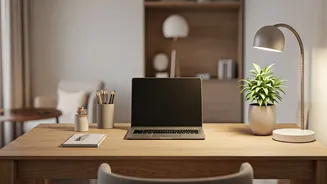
Powering this shift is the widespread appeal of 'Japandi' style, a hybrid of Japanese minimalism and Scandinavian functionality. This aesthetic is the antithesis of cluttered, performative design. Japanese influence brings a focus on tranquility, simplicity, and the 'wabi-sabi' principle of finding beauty in imperfection and impermanence. This means valuing handcrafted items, appreciating the patina on an aged wooden bowl, and embracing asymmetry. The Scandinavian side contributes a commitment to coziness ('hygge'), clean lines, and practical, clutter-free living. Together, they create a style that is warm, intentional, and deeply personal. It encourages homeowners to curate a collection of fewer, better things that have meaning, rather than accumulating trendy decor that will feel dated in a year.