



Goodbye, Bunk Beds and Taxidermy
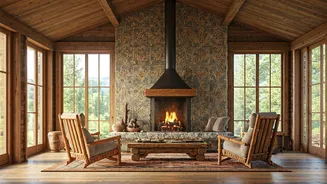
For decades, a “cabin in the woods” conjured a specific image: knotty pine walls, mismatched furniture, a dusty bearskin rug, and the faint scent of campfire smoke embedded in plaid blankets. It was charming in its own rugged way, a symbol of disconnecting
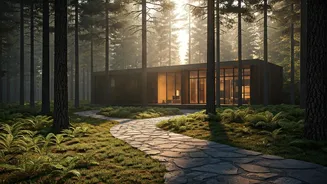
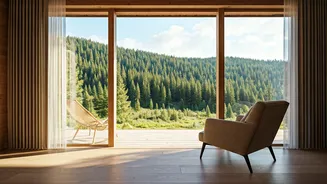
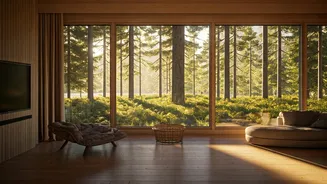
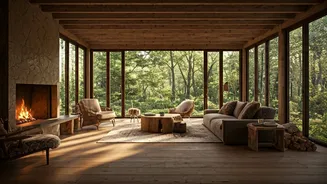
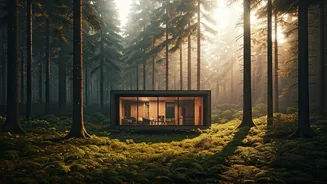
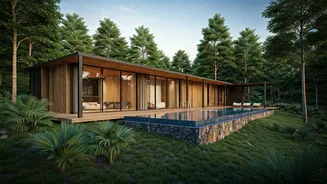
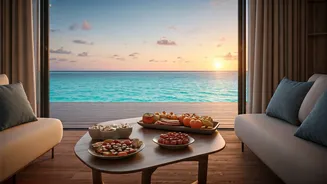
from modern life by stepping into a simpler, less polished past. But that ideal is fading. Today, the most sought-after nature retreats look less like a forgotten hunting lodge and more like a page from an architectural magazine. We’re talking minimalist cabins with floor-to-ceiling glass walls that frame the forest like a living painting, A-frames with stark black exteriors and warm Scandinavian interiors, and desert bungalows with curated ceramics and high-thread-count linens. This isn't just an upgrade; it’s a complete aesthetic revolution. The focus has shifted from enduring the wilderness to experiencing it through a lens of intentional design and quiet luxury.
The Post-Pandemic Push for Polished Escapes
Like so many recent cultural shifts, this one was supercharged by the pandemic. As cities emptied out, Americans rediscovered the appeal of road trips and wide-open spaces. But after months of being confined to homes they’d meticulously decorated, many weren’t willing to trade their curated comfort for a lumpy mattress and a weak Wi-Fi signal. The demand for domestic, nature-centric travel skyrocketed, but so did the expectation for quality. Travelers wanted the mental health benefits of being in nature—the quiet, the fresh air, the starry skies—without sacrificing the physical and aesthetic comforts of a boutique hotel. This created a perfect opening for a new breed of hospitality that merges the isolation of a remote cabin with the amenities and design sensibility of an urban hotspot. It’s the best of both worlds: solitude and style.
Designed for the ‘Gram, Built for a Getaway
It’s impossible to talk about this trend without acknowledging the influence of social media. These stylish stays are photogenic by design. The clean lines of a Getaway House cabin, the vintage-chic interior of an AutoCamp Airstream, or the dramatic architecture of a standalone rental in Joshua Tree are all perfectly optimized for an Instagram grid. The #cabincore aesthetic, which romanticizes a slow, cozy life in the woods, has primed millions to see these locations not just as a place to sleep, but as a backdrop for a certain kind-of-life content. But it’s more than just a photo op. The deliberate design—uncluttered spaces, natural materials, and a seamless connection between inside and out—genuinely enhances the experience of being in nature. By removing visual noise, these spaces encourage you to focus on the view, the quiet, and the simple act of being present.
More Than Just Glamping 2.0
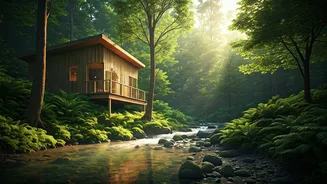
It’s easy to lump this in with “glamping,” but that’s not the full story. While glamping upgraded the tent with a real bed and a Persian rug, this new era is about permanent, thoughtfully designed structures. It’s about architecture as a core part of the travel experience. Companies like Under Canvas and Collective Retreats laid the groundwork by proving people would pay a premium for comfortable nature access. Now, a new class of players is taking it further. Brands like Yonder Escalante in Utah offer a mix of sleek cabins, vintage Airstreams, and drive-in movie theaters, creating a resort-like feel in a remote landscape. On the higher end, properties like Piaule Catskill in New York offer minimalist, standalone cabins that feel like private modernist treehouses, complete with a spa and locally sourced restaurant. This isn’t about pretending to camp; it’s about inhabiting a beautifully designed object that happens to be in the middle of nowhere.