




A Kaleidoscope of Culture
Imagine a scene straight out of a travel documentary: Dancers in ornate, jewel-toned costumes perform ancient, masked routines, their movements telling stories centuries old. The air is thick with the scent of incense and sizzling street food, while the sound
of traditional monastic horns blends with modern folk music. This was the reality at the latest festival in Sikkim, a state where cultural celebrations are not just an event, but the very heartbeat of the community. These gatherings are a feast for the senses, designed as much for community bonding as they are for dazzling visitors. Stalls overflow with handcrafted treasures—intricately woven carpets, vibrant thangka paintings, and delicate bamboo work. It's a place where every corner presents a photo opportunity, not because it's staged, but because the authenticity of the culture is simply that beautiful.
Sikkim: America's Next Travel Obsession?
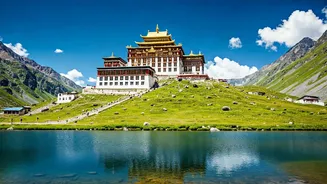
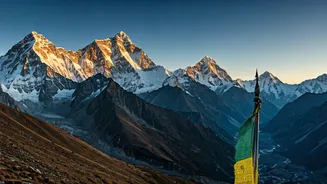
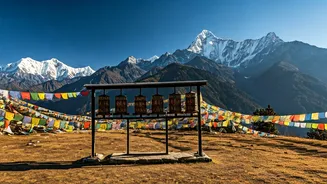
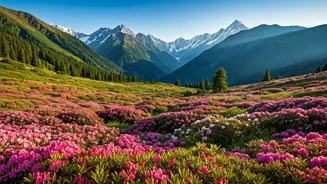
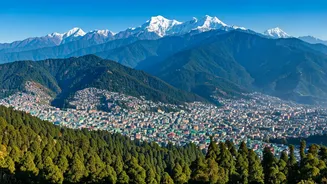
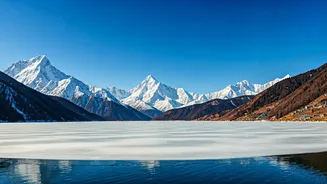
For most Americans, Sikkim might not even be a faint blip on the radar. Tucked away in northeastern India, this tiny state is a world apart from the chaotic energy of Delhi or Mumbai. It’s a sliver of Himalayan paradise, bordered by Bhutan, Tibet (China), and Nepal. The landscape is dominated by the colossal Kangchenjunga, the world's third-highest mountain, which locals revere as a guardian deity. Getting here has traditionally been part of the adventure, involving flights to nearby airports followed by winding, mountainous drives. But this relative isolation has preserved a unique culture and a pristine environment. Often called one of India’s cleanest states, Sikkim is a haven of terraced rice fields, plunging valleys, and hundreds of serene Buddhist monasteries clinging to hillsides. It’s the kind of place that adventure-seekers and soul-searchers dream of, offering a potent mix of rugged trekking and peaceful contemplation.
More Than Just Momos (But Definitely Get the Momos)
You can’t talk about the Himalayas without talking about the food, which is as hearty and warming as the people. The star of Sikkimese cuisine is the momo, a delicate steamed dumpling filled with vegetables or meat, served with a fiery dipping sauce. But the culinary journey doesn't stop there. A must-try is thukpa, a comforting noodle soup perfect for chilly mountain evenings. You’ll also find gundruk, a fermented leafy green that adds a unique, tangy flavor to soups, and phagshapa, a pork-and-radish stew. To wash it all down, locals often drink chaang, a mildly alcoholic fermented millet beer served in a bamboo container with a matching straw. Festival food stalls offer a chance to sample all of it, providing a delicious, accessible entry point into the local culture.
Where Nature and Spirituality Meet
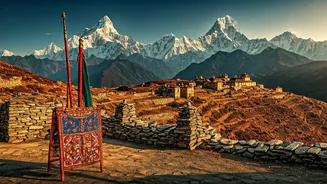
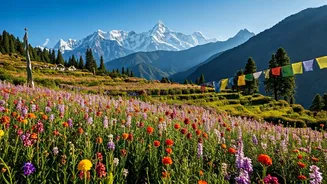
What makes Sikkim truly unforgettable is the seamless way it weaves together the natural and the spiritual. Colorful prayer flags are strung across valleys, bridges, and mountain passes, their fluttering believed to carry blessings on the wind. The landscape is dotted with ancient monasteries like Rumtek and Pemayangtse, where the scent of butter lamps hangs in the air and the low hum of chanting monks provides a soothing soundtrack. This deep-rooted spirituality, a blend of Tibetan Buddhism and local traditions, fosters a palpable sense of peace. It informs a collective respect for nature, making Sikkim a pioneer in ecotourism and sustainable policies. A visit here is more than a vacation; it’s a reset for the soul, a reminder of a world where life moves at a slower, more deliberate pace, governed by the rhythm of the seasons and the majesty of the mountains.