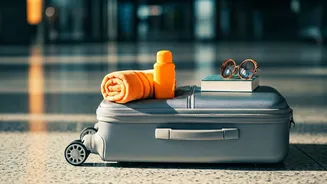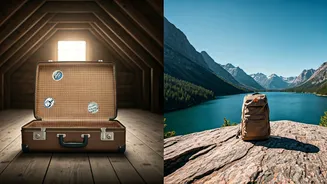







The Heavy Baggage of the 'Big Trip'
Let’s be honest: the classic annual vacation has become a monster of its own making. The pressure to make it perfect is immense. You spend months, if not a year, saving, planning, and coordinating schedules. The financial weight can be crushing, often
leading to a 'vacation hangover' of credit card debt. Then there’s the logistical nightmare of packing everything, arranging for pet sitters, and frantically clearing your work desk, only to return to an avalanche of emails that makes you wonder if you ever left. This model, born in a different era of work and life, often creates as much stress as it’s supposed to alleviate. By putting all our hopes for relaxation and adventure into one single basket, we set ourselves up for disappointment when it doesn’t live up to the year-long hype.
Enter the Micro-Cation: The Modern Reset
So, what’s the alternative? The micro-cation. These are short, intentional getaways, typically one to four nights, designed to provide a quick but powerful dose of rest and novelty. Think a three-day weekend exploring a city a few hours away, a two-night stay in a cabin in the woods, or even a single overnight trip to the coast. This isn't about just taking a day off to run errands. The key is a complete change of scenery and a break from your routine. The trend is surging not just because it’s easier, but because it aligns with our modern needs. In an age of chronic burnout, waiting an entire year for a break feels unsustainable. The micro-cation is the travel equivalent of snacking—smaller, more frequent portions that keep you energized and satisfied throughout the year.
More Breaks, Less Burnout
The psychological benefits are compelling. Research on happiness and anticipation suggests that the joy we get from looking forward to a trip is a significant part of the vacation experience. Having multiple trips on the calendar—even small ones—means you’re almost always in that pleasant state of anticipation. Multiple short breaks can also be more effective at combating burnout than one long vacation. A 2018 study in the Journal of Sustainable Tourism found that short, frequent trips have a greater positive effect on well-being. You get the restorative benefits of a break without the jarring re-entry into normal life. Financially, it’s a game-changer. The cost of a few domestic flights or road trips spread throughout the year is often far more manageable than one five-figure international journey, making travel more accessible.
How to Master the Shorter Getaway
Embracing the micro-cation mindset requires a small shift in thinking. First, lower the stakes. This isn't the 'trip of a lifetime'; it's a refreshing pause. The goal is rest, not a packed itinerary. Second, explore your own backyard. You don't need a passport to have an adventure. Amtrak routes, national parks, and neighboring cities offer incredible experiences within a few hours' travel. Third, become a master of the long weekend. Strategically use federal holidays or a single personal day to turn a regular weekend into a three- or four-day escape. Finally, pack light and plan less. The beauty of a short trip is its simplicity. Book your lodging, pick one or two must-do activities, and leave the rest to spontaneity. The freedom from a rigid schedule is a vacation in itself.