



The Pet-Safe Plant You’ve Been Searching For
The great houseplant boom has one major hurdle for millions of Americans: pet safety. Many of the most popular and photogenic plants—like the Fiddle Leaf Fig, Monstera Deliciosa, and Snake Plant—are toxic to cats and dogs if ingested. This forces a frustrating
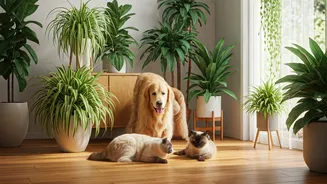
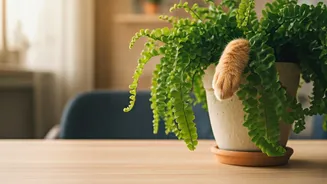
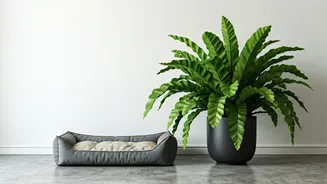
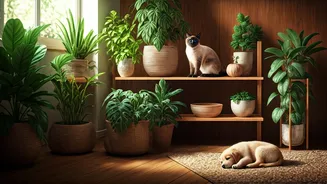
choice between a verdant interior and a pet’s well-being. The Bird's Nest Fern (Asplenium nidus) gracefully sidesteps this entire dilemma. According to the ASPCA and other veterinary sources, it is completely non-toxic to both cats and dogs. This designation makes it a true unicorn in the plant world: an architectural, visually stunning specimen that won’t send you into a panic if your puppy decides to give it a curious nibble. This peace of mind is the ultimate luxury for a devoted pet parent, allowing you to bring the beauty of nature indoors without a single worry.
An Instant Touch of Green Elegance
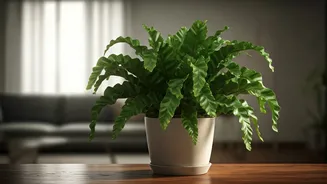
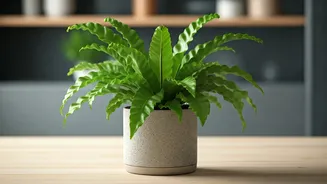
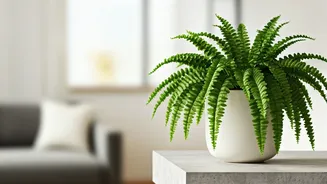
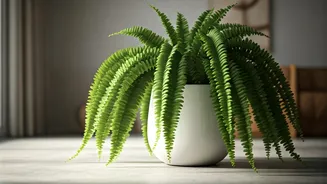
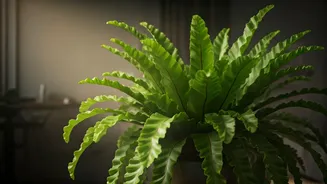
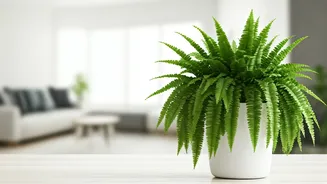
So it’s safe, but what makes it “luxe”? The answer lies in its unique and sophisticated structure. Unlike ferns with delicate, lacy fronds, the Bird's Nest Fern features broad, wavy, or crinkled leaves that radiate from a central rosette, which resembles a bird’s nest—hence the name. The leaves are typically a vibrant, almost electric apple-green, and their smooth, glossy surface catches the light beautifully. This creates a bold, sculptural effect that feels more like living art than a common houseplant. Its form is both organic and modern, allowing it to fit seamlessly into minimalist, mid-century, or maximalist decor. Placed on its own, it acts as a striking focal point, its unfurling fronds providing a sense of movement and life. This isn't just another leafy green; it's an architectural statement that instantly elevates the perceived quality and design of a space.
Surprisingly Simple Care Requirements
A plant that looks this good must be difficult to care for, right? Fortunately, the Bird's Nest Fern is relatively forgiving, making it an excellent choice for both seasoned plant lovers and beginners. The key is to mimic its natural habitat in the humid understory of tropical forests. It thrives in medium to low indirect light, making it perfect for those spots in your home that are too dim for sun-loving succulents. Direct sunlight will scorch its beautiful leaves, so keep it away from south-facing windows. For watering, the goal is to keep the soil consistently moist but not waterlogged. Allow the top inch of soil to dry out between waterings, and be sure to water around the base of the plant, not directly into the central “nest,” which can lead to rot. As a tropical native, it adores humidity. Placing it in a bathroom or kitchen is ideal. Alternatively, you can place it on a pebble tray with water or use a humidifier to keep it happy.
How to Style It for Maximum Impact
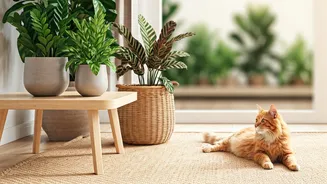
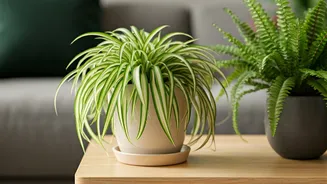
To truly unlock the “luxe” potential of your Bird's Nest Fern, presentation matters. The right planter can transform it from a nice plant into a designer moment. Pair its vibrant green with a minimalist ceramic pot in white, black, or a warm terracotta. For a more glamorous look, a metallic planter in brass or gold can create a stunning contrast. Because of its upright growth habit, the Bird's Nest Fern works beautifully on plant stands, which elevate it to eye level and show off its graceful form. It’s also an excellent choice for a bookshelf, where its wavy fronds can cascade slightly over the edge, or as a centerpiece on a console or dining table. While it’s non-toxic, you may still want to place it just out of reach of a particularly playful pet to prevent shredded leaves, which would spoil its perfect appearance. Grouping it with other pet-safe plants like the Spider Plant or certain Calatheas can create a lush, layered, and completely worry-free indoor jungle.