









More Than Just a Summer Treat
The headline claim that they “keep cities fed” isn’t far from the truth in certain areas. Millions of Americans live in “food deserts,” neighborhoods without easy access to full-service supermarkets that offer fresh, healthy, and affordable food. In these
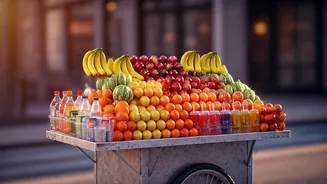
places, the corner store or the street vendor isn’t just a convenience; it's a primary source of sustenance. While a big-box grocery store might be a bus ride—or two—away, the local bodega has milk, eggs, and bread. The fruit cart parked on the corner is often the only place to buy fresh produce for blocks. These small-scale entrepreneurs intuitively understand their customers' needs, stocking items that reflect the cultural tastes of the neighborhood. They fill a crucial gap, ensuring that a lack of transportation or proximity to a major retailer doesn't mean a complete lack of access to essential, and often healthy, food options. They are, in effect, the front-line grocers for entire communities.
The Unofficial Grocers
The headline claim that they “keep cities fed” isn’t far from the truth in certain areas. Millions of Americans live in “food deserts,” neighborhoods without easy access to full-service supermarkets that offer fresh, healthy, and affordable food. In these places, the corner store or the street vendor isn’t just a convenience; it's a primary source of sustenance. While a big-box grocery store might be a bus ride—or two—away, the local bodega has milk, eggs, and bread. The fruit cart parked on the corner is often the only place to buy fresh produce for blocks. These small-scale entrepreneurs intuitively understand their customers' needs, stocking items that reflect the cultural tastes of the neighborhood. They fill a crucial gap, ensuring that a lack of transportation or proximity to a major retailer doesn't mean a complete lack of access to essential, and often healthy, food options. They are, in effect, the front-line grocers for entire communities.
An Engine of Micro-Entrepreneurship
The person slicing your mango or ringing up your soda is often a small-business owner, an immigrant, or someone working to build a foothold in the American economy. Street vending and corner store ownership have long been classic entry points for entrepreneurship. The barrier to entry is relatively low compared to opening a full-scale restaurant or store, but the hustle is immense. It requires long hours, a deep understanding of supply chains (like knowing where to get the best fruit at dawn), and navigating a complex web of city regulations and permits. For many, it's a path to economic independence and a way to support a family. This informal economy is a powerful, if often overlooked, engine of opportunity. When you buy from a street vendor, you are often directly funding a local family’s dream, contributing to a micro-economy that circulates money within the immediate community.
The Taste of Community
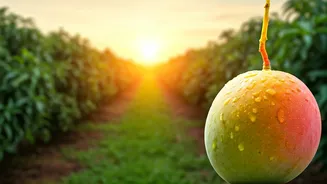
Beyond economics and nutrition, these vendors are vital social hubs. The transaction is rarely anonymous. Regulars are greeted by name, and the vendor often knows their usual order. They become neighborhood fixtures, the friendly faces people see every day on their way to work or school. They are the keepers of local gossip, the unofficial watchmen of the block, and a source of stability in rapidly changing urban environments. A cart selling mangoes isn't just selling fruit; it's selling a taste of home for immigrant communities, a cultural touchstone that connects people to their heritage. The corner store is where neighbors run into each other, where kids stop for an after-school snack, and where you can get a recommendation for a local handyman. They are spaces of casual interaction that weave the social fabric of a neighborhood together, one cold drink and one friendly conversation at a time.