







Why Oman Is the Ultimate Road Trip Destination
For American travelers seeking true adventure without sacrificing safety, Oman is an untapped gem. Nestled on the Arabian Peninsula, it offers a vision of the Middle East that is modern, incredibly welcoming, and spectacularly beautiful. The infrastructure
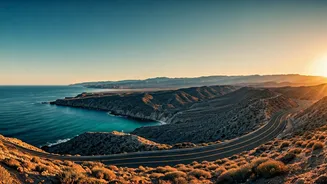
is superb—smooth, well-marked highways make driving a pleasure—but the landscape feels raw and epic. Unlike its glitzy neighbors, Oman’s treasure lies in its natural wonders: deep canyons (wadis), dramatic fjords, and a 1,900-mile coastline that remains remarkably undeveloped. A self-drive trip here isn’t just a vacation; it’s an exploration into a land of quiet majesty and profound hospitality.
The Classic Route: Muscat to Salalah
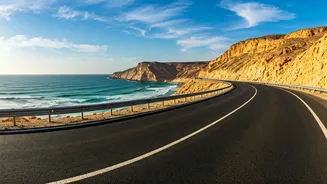
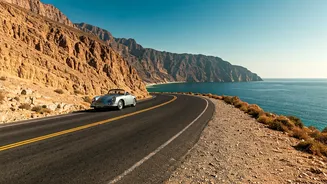
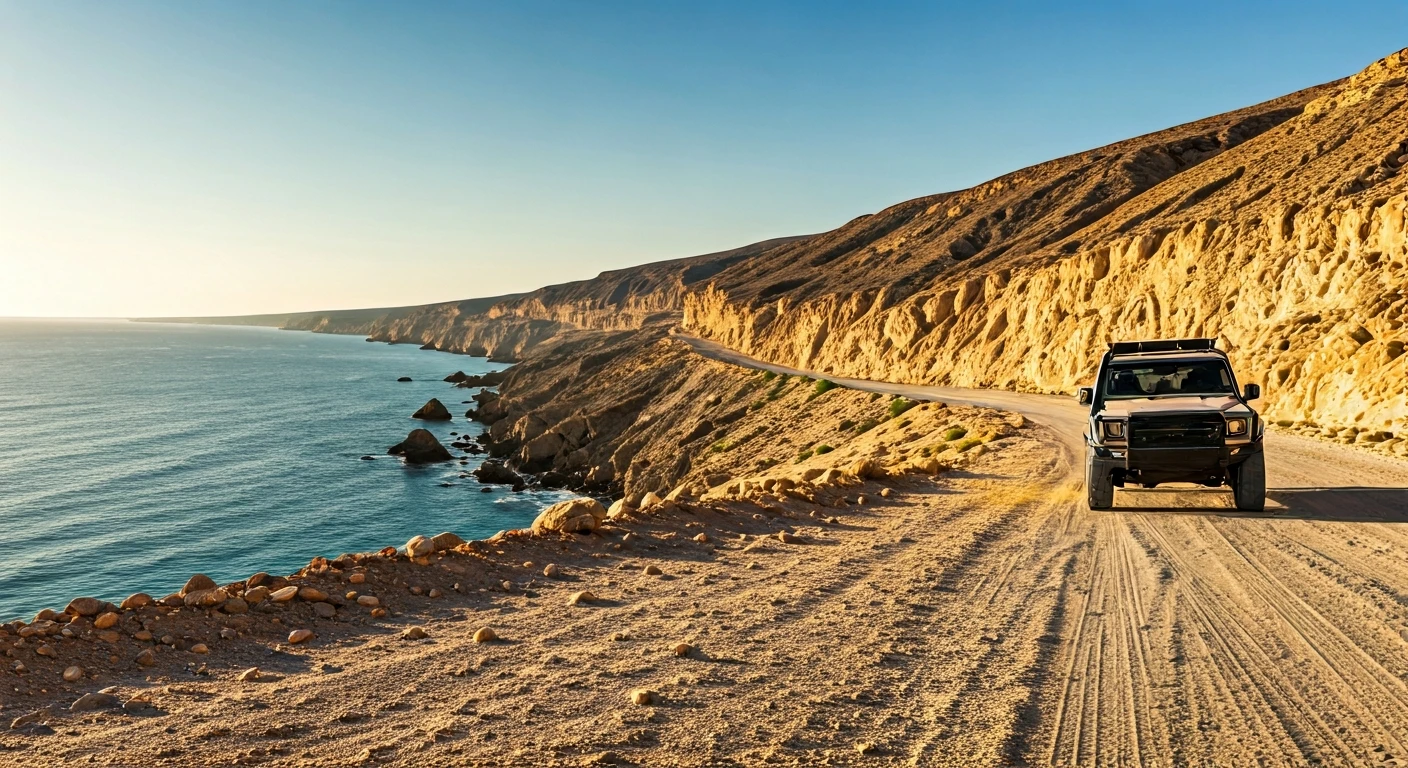
The quintessential Omani coastal journey runs from the capital, Muscat, south toward Salalah. While you can drive the entire 600-mile stretch, many travelers focus on the incredibly scenic portion from Muscat to the fishing town of Sur and its surrounding sights. This section can be comfortably done in three to five days. You'll follow Route 17, a modern highway that hugs the Gulf of Oman. The drive itself is a destination, with smooth tarmac curving between the craggy Al Hajar Mountains on one side and the brilliant blue sea on the other. Signage is in both Arabic and English, making navigation straightforward even for first-time visitors.
Choosing Your Vehicle: The 4x4 Advantage
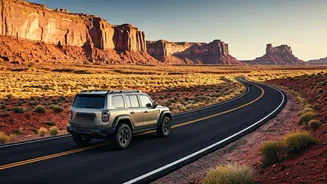
While you could technically navigate the main coastal highway in a standard sedan, you would be missing half the adventure. Renting a 4x4 is not just recommended; it's essential for accessing Oman’s greatest treasures. Many of the most stunning spots—the wadis, hidden beaches, and mountain viewpoints—are reached via graded gravel tracks or rocky paths. A vehicle like a Toyota Land Cruiser or Nissan Patrol gives you the freedom and confidence to leave the pavement behind. When you see a dusty track leading toward a secluded cove or a sign for a mountain village, you can follow it without hesitation. Major rental agencies are available at Muscat International Airport; book in advance, especially during peak season (October to April).
Essential Stops on the Coastal Highway
The joy of this trip is in the spontaneous detours, but a few highlights are unmissable. Just 90 minutes from Muscat is the Bimmah Sinkhole, a stunning limestone crater filled with emerald-green water perfect for a refreshing swim. A bit further south, you’ll find Wadi Shab. Getting to its hidden waterfall and terraced pools requires a short boat ride and a 45-minute hike through a breathtaking canyon, but the reward is one of Oman's most iconic experiences. Don’t miss the old fishing town of Sur, famous for its traditional dhow-building yards. Nearby, the Ras al Jinz Turtle Reserve offers the chance to see green sea turtles nesting on the beach under the stars—a truly magical encounter.
Practical Tips for a Smooth Journey
Driving in Oman is refreshingly easy. They drive on the right, and the rules of the road are generally respected. Gas is significantly cheaper than in the U.S. and stations are plentiful. For navigation, download an offline map on Google Maps or use the Waze app, which works well. While Oman is modern, it’s also a conservative Muslim country. When visiting towns, villages, or public areas, it’s respectful for both men and women to dress modestly—think long pants or skirts and covered shoulders. On tourist beaches and inside wadis, standard swimwear is fine. Always have cash (Omani Rials) on hand for small purchases, and remember that wild camping is legal and widely practiced, offering a fantastic way to experience the country’s natural beauty.