



1. Gondhoraj Lebu (The King of Limes)
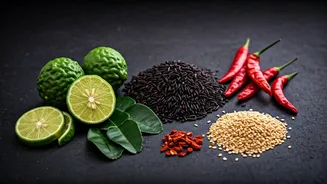
If you think you know limes, think again. The Gondhoraj Lebu, native to Bengal, is less about sourness and more about an intoxicating, floral perfume. It’s the lime equivalent of a high-end cologne—so aromatic that just the zest can transform a dish.
For American palates, imagine a cross between a Meyer lemon, a kaffir lime, and a gardenia flower. Young Indian cooks are moving it beyond its traditional role of scenting dal (lentil soup) and fish. They’re zesting it into craft cocktails, infusing it into olive oil for salads, whipping it into cheesecakes, and making Gondhoraj-flavored kombucha. It represents a powerful trend: the rediscovery of hyper-regional ingredients that offer a unique, complex flavor profile that can’t be replicated. It’s not just a fruit; it's an identity, and its Instagram-friendly appeal makes it a star of the new Indian pantry.
2. Black Rice (Chak-Hao)
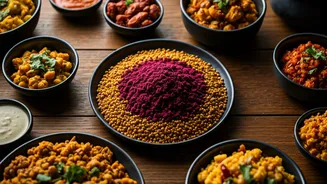
Once reserved for royalty in the northeastern state of Manipur, black rice, or Chak-Hao, is making a major comeback. This isn't the bland white or brown rice you know. When cooked, it turns a stunning deep purple, with a nutty, slightly sweet flavor and a satisfyingly chewy texture. Its appeal to a health-conscious generation is obvious: it’s packed with antioxidants (the same kind found in blueberries and acai), fiber, and protein. But its rise is about more than wellness. Young chefs and home cooks are embracing it as a way to celebrate India’s incredible agricultural diversity. Instead of being hidden in a traditional kheer (pudding), you’ll now see it forming the base of vibrant grain bowls, served alongside grilled jackfruit, or even used to make a visually dramatic risotto. It’s a prime example of an ancient grain finding a new, modern life.
3. 'Raw' Jackfruit (The Original Plant-Based Meat)
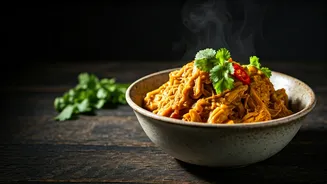
While the West has been busy inventing plant-based burgers in labs, India has had a perfect meat substitute growing on trees for centuries: unripe, or 'raw,' jackfruit. When cooked, its fibrous texture uncannily mimics pulled pork or shredded chicken. For generations, it was a humble vegetable used in curries. Today’s youth, influenced by global vegan trends and a desire for sustainable eating, are reclaiming it as a culinary powerhouse. They’re not just making traditional 'echorer dalna' (jackfruit curry); they're shredding it for tacos, stuffing it into bao buns, layering it in biryani as a 'mutton' substitute, and piling it onto pizzas. Its mild flavor makes it a perfect canvas for the bold spices of Indian cooking, allowing it to be endlessly versatile. It’s the ultimate bridge between tradition and trend.
4. Kalonji (Nigella Seeds)
Every Indian kitchen has a stash of Kalonji, or nigella seeds, often sprinkled on naan bread. But for years, it was a background note. Now, it's stepping into the spotlight. These tiny, jet-black seeds pack a surprisingly complex, pungent flavor—think toasted onion, oregano, and black pepper all in one. As young cooks explore more intense and layered flavors, they're realizing Kalonji is a secret weapon. Instead of just being a topping, it’s being used as a primary spice. You’ll find it encrusting paneer or fish before pan-frying, blitzed into dips and marinades to add a smoky depth, or bloomed in hot oil with other whole spices to form the flavor base of a dish. This rediscovery is part of a larger movement to understand and amplify the role of individual spices, treating them with the same respect as a fine wine or artisanal cheese.