



The Backlash to the ‘Instagram Trip’
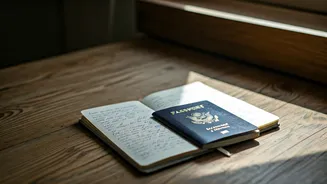
For years, the goal of a vacation was often defined by a single, perfect photograph: the infinity pool overlooking the ocean, the carefully arranged brunch, the landmark pose. But for many Millennial and Gen Z travelers, the gloss has worn off. There's
a growing fatigue with the pressure to perform for social media and a rising awareness that the most-liked photos often come from the least-fulfilling experiences. This has sparked a pivot away from “look-at-me” tourism toward “be-a-part-of-it” travel. Instead of seeking out the most photogenic backdrops, younger travelers are increasingly searching for genuine human connection and a sense of place that can’t be captured in a fleeting post. They’re trading the curated for the candid, the polished for the authentic.
From Souvenirs to Skills
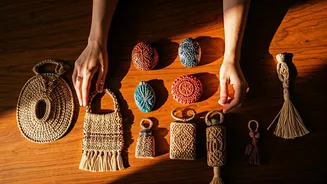
So what does this new travel style look like? It’s less about collecting things and more about collecting experiences and skills. Instead of buying a mass-produced souvenir, travelers are paying to learn how to make it themselves. Think a pottery class in a small Portuguese village, a pasta-making lesson in a nonna’s kitchen in Tuscany, or a weaving workshop with a family in the Sacred Valley of Peru. These aren't just activities; they are immersive exchanges. The goal is to spend meaningful time with local artisans, chefs, and community members, understanding the history and cultural significance behind their craft. The ultimate takeaway isn’t a trinket that ends up in a drawer, but a memory, a skill, and a story that becomes part of the traveler's own identity.
A Search for Deeper Connection
At its core, this trend is driven by a profound desire for connection—to people, to culture, and to the places they visit. The anonymous, transactional nature of large-scale tourism can leave travelers feeling isolated. Community-based travel flips that script. By participating in a local festival, staying on a family-run farm, or sharing a meal prepared by their hosts, visitors move from being passive observers to active participants. This fosters a sense of respect and mutual understanding. It's a direct response to a hyper-digital, often disconnected world. For a generation that grew up online, these tangible, real-world interactions offer a powerful dose of authenticity that a five-star hotel simply cannot replicate.
The Ripple Effect on Tourism
This shift isn't just changing travelers; it's changing the travel industry. Tour operators are seeing a surge in demand for smaller, more intimate group trips that focus on cultural immersion. Platforms like Airbnb have expanded their “Experiences” to cater to this very market. More importantly, this model of tourism can be more sustainable and economically beneficial for host communities. It channels money directly to local families, artisans, and small business owners rather than to multinational corporations. When done responsibly, it empowers communities to preserve their traditions not as museum pieces, but as living, breathing aspects of their culture that can be proudly shared with the world, creating a more equitable and meaningful exchange for everyone involved.