


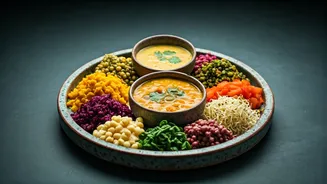
Beyond the Takeout Menu
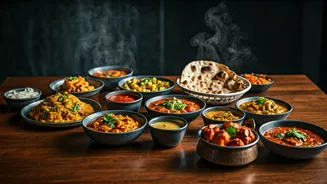
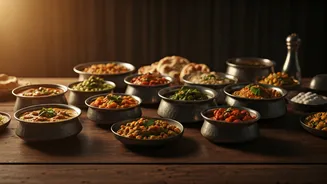
When many Americans hear 'Indian food,' their minds often jump to a familiar, comforting lineup: creamy butter chicken, pillowy naan, and rich tikka masala. While delicious, this popular fare is often a British-influenced or Westernized version of Punjabi
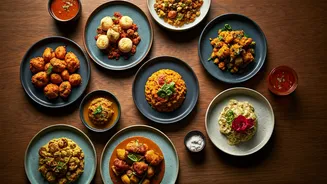
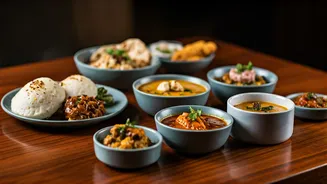
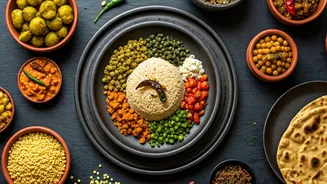
cuisine, representing just one sliver of a vast and incredibly diverse culinary subcontinent. 'Heritage food' is the movement looking past the buffet line to rediscover the regional, seasonal, and home-style cooking that has nourished families across India for centuries. It’s about the lentil-based dishes of the south, the fermented batters that create dosas and idlis, the complex vegetable preparations of Gujarat, and the mustard-oil-infused seafood of Bengal. This is food that is inherently tied to place, tradition, and a philosophy of holistic well-being—a far cry from the heavy, cream-laden dishes often found in restaurants.
An Ancient Wellness Playbook
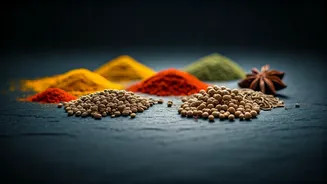
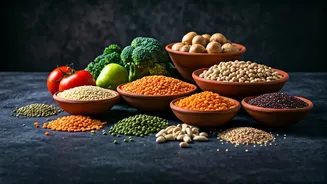
The health benefits of heritage Indian diets aren't a new discovery; they’re rooted in ancient principles like Ayurveda, which views food as medicine. The core tenets read like a checklist for modern nutritional goals. First, it’s overwhelmingly plant-forward. Lentils, beans, and a kaleidoscope of vegetables form the foundation of daily meals, providing fiber, protein, and micronutrients. Second, it’s a masterclass in using spices for more than just flavor. Turmeric is a powerful anti-inflammatory, ginger aids digestion, cumin is rich in antioxidants, and fenugreek can help regulate blood sugar. This everyday spice cabinet is a potent, preventative pharmacy. Finally, there's a deep focus on gut health through fermentation. The sour tang of a dosa or the lightness of an idli comes from a naturally fermented batter of rice and lentils, which is packed with probiotics that support a healthy microbiome—a topic now at the forefront of Western wellness.
Why the Buzz Is Building Now
So why is this ancient way of eating poised to be the next big thing? It’s a perfect storm of converging American health trends. As more people seek out plant-based diets, the legume-centric nature of Indian heritage cooking offers a flavorful and time-tested alternative to processed meat substitutes. The wellness world’s obsession with gut health has also primed us to appreciate the fermented foods that are staples in South Indian cuisine. Furthermore, there's a growing desire for authentic, diverse culinary experiences. Food lovers are tired of monolithic labels and are eager to explore the specific flavors of Kerala, Rajasthan, or Goa. A new generation of chefs, cookbook authors, and influencers are proudly sharing the food of their families, providing an accessible entry point for curious American home cooks. They are decolonizing the menu, showing that this cuisine is light, vibrant, and profoundly good for you.
How to Explore the Movement
Jumping into this trend doesn’t require a complete pantry overhaul. Start small. Instead of your usual order, seek out a restaurant that specializes in a specific region, like South Indian (look for dosas) or Gujarati (try a thali). At home, begin incorporating key spices into your cooking. Sauté vegetables with a pinch of turmeric and cumin, or add ginger and garlic to soups and stir-fries. Explore the world of lentils—masoor dal (red lentils) cooks up quickly and makes for a deeply satisfying and nourishing meal. You can find simple recipes online for dishes like kitchari, a cleansing and balanced rice and lentil porridge, which is a perfect introduction to Ayurvedic cooking. The goal isn't perfection, but exploration. It's about slowly integrating principles of balance, plant-centric eating, and powerful spices into your routine, one delicious meal at a time.