




From Conspicuous Clutter to Conscious Calm
For decades, the story of success in the city was told through accumulation. We filled our apartments with things to prove we had made it—statement couches, overflowing bookshelves, and souvenirs from worldly travels. More was more. But a quiet revolution
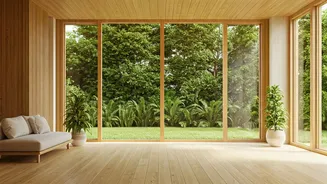
has taken place. The new aspiration isn't about what you can fit into your home, but how much you can leave out. The focus has shifted from displaying wealth through objects to showcasing a state of mind: calm, control, and clarity. This isn't the spartan, cold minimalism of the early 2000s. Instead, it’s a warm, textured approach that prioritizes light, air, and a sense of breathing room. It’s the visual equivalent of a deep exhale, and in the dense, often chaotic environment of a city, that feeling has become the ultimate luxury.
The Pandemic’s Lingering Architectural Echo
Like so many modern trends, the obsession with airy spaces was supercharged by the pandemic. When lockdowns turned our homes into our offices, gyms, schools, and entire social worlds, the four walls started closing in—literally and psychologically. Suddenly, a cramped apartment didn't just feel inefficient; it felt suffocating. This collective experience created a deep, primal yearning for space. Natural light wasn't just a nice-to-have; it was a critical connection to the outside world and a way to mark the passage of time. An open-concept living area went from a design choice to a sanity-saving feature that allowed for distinct zones for work, relaxation, and family. The home transformed from a crash pad into a sanctuary, and the definition of a functional sanctuary became one that felt expansive, no matter its actual square footage.
The Anatomy of an Airy Space
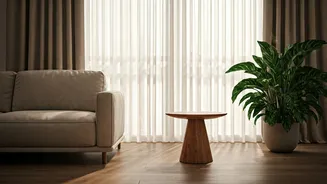
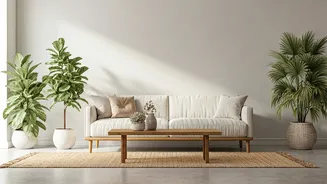
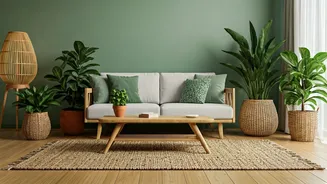
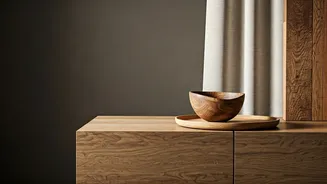
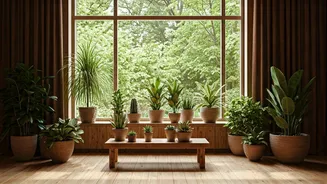
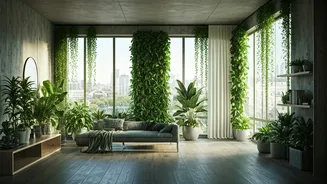
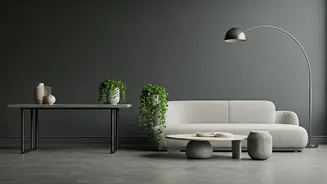
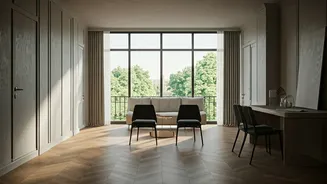
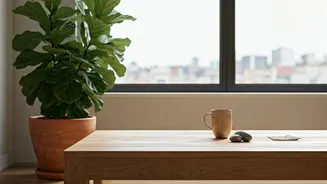
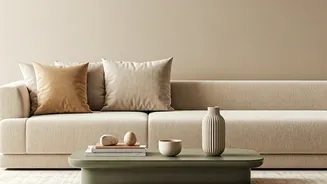
So, what does this new “flex” look like in practice? It’s a carefully curated aesthetic built on a few key principles. Large, unadorned windows are paramount, designed to flood rooms with as much natural light as possible. The color palette is typically neutral and light—think shades of white, beige, soft gray, and earthy tones—which reflect light and make spaces feel larger. Furniture tends to be lower-profile, with clean lines and natural materials like light woods, rattan, and linen, which add texture without adding visual weight. Strategic emptiness is key; this means uncluttered surfaces, intentional negative space, and a ruthless editing of possessions. Finally, biophilic design—the integration of nature—plays a huge role. An abundance of indoor plants, from a statement fiddle-leaf fig to hanging pothos, serves to blur the line between inside and out, purifying the air and reinforcing a connection to the natural world.
The Quiet Economics of Emptiness
Herein lies the flex: achieving true “airiness” is often more expensive and exclusive than simply buying more stuff. In a crowded city, square footage and natural light come at an extreme premium. A home with high ceilings, oversized windows, or a layout that can be opened up is already in the top tier of the real estate market. Achieving the look often requires costly renovations—knocking down walls, installing new windows, or investing in high-end, minimalist furniture that’s deceptively pricey. The ability to live with less stuff also implies a certain level of financial security. It suggests you have off-site storage for your clutter, or simply the discipline and resources to afford a lifestyle that doesn't rely on impulse purchases. In this context, an airy, uncluttered home broadcasts a powerful message: “I have the resources to afford not just space, but peace of mind.”