




The Weekend Washout Phenomenon
Remember the summer of 2023? For millions across the Northeast, from Pennsylvania to Maine, it wasn’t defined by sun-drenched beach days but by a relentless series of weekend washouts. It felt personal. Every highly anticipated barbecue, Little League
championship, or outdoor wedding seemed to have its own dedicated storm cloud. Social media feeds filled with pictures of soggy backyards and screenshots of radar apps glowing red and yellow. This collective sigh of disappointment has become a new seasonal ritual. The casual, “We’ll just throw some burgers on the grill Saturday,” has been replaced by a complex negotiation with atmospheric science. We’ve become amateur meteorologists, obsessively tracking pressure systems and debating the merits of a 30% versus a 40% chance of precipitation as if it were a legal argument. This isn't just a feeling; it's a documented shift that's turning our calendars upside down.
More Than Just 'April Showers'
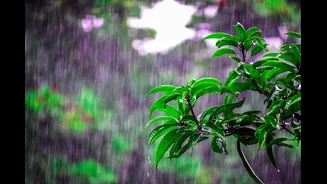
It’s tempting to write this off as a fluke, but the pattern points to something more significant. While the Northeast has always had its share of rain, the nature of that rain is changing. Climate scientists and meteorologists observe that weather patterns are becoming more stubborn. Instead of fast-moving systems that bring a day of rain and move on, we’re seeing slow, meandering fronts that can stall over the region for days, leading to prolonged periods of gloom and drizzle. Furthermore, a warmer atmosphere holds more moisture, meaning that when it does rain, it often pours. The result is not just more rainy days, but more days with intense, disruptive downpours that can quickly flood a park, overwhelm a tent, or make driving to a gathering a treacherous affair. The old idea of a brief, predictable spring or fall shower is being replaced by the reality of multi-day soakings that defy simple planning.
The Death of the Casual 'Rain Date'
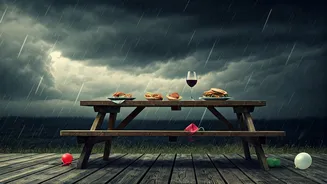
In the past, the solution was simple: the rain date. If Saturday looked grim, you’d just push the party to Sunday. But this strategy is becoming increasingly obsolete. When a single weather system can ruin an entire three-day weekend, the “rain date” is often just as wet as the original date. This has profound consequences. For families, it means disappointing children who have been looking forward to a birthday party for weeks. For communities, it means canceling farmers' markets, craft fairs, and outdoor concerts that are vital to local economies and social cohesion. For hosts, it introduces a new level of financial and logistical stress. Do you book the expensive party tent “just in case”? Do you choose a venue with a costly indoor option you might not even use? The casual plan is dead because the risk is no longer casual. The potential for a complete, multi-day washout has made last-minute, fair-weather-dependent gatherings a gamble few are willing to take.
Planning for the New Weather Reality
Adapting to this new normal requires a fundamental shift in mindset, from reactive to proactive. The key is to plan for rain not as a possibility, but as a probability. This means intentionality is the new watchword for any gathering. For a big event like a graduation party or family reunion, this might mean booking a venue with a seamless indoor-outdoor flow from the outset. For a more modest backyard barbecue, it could mean investing in a sturdy pop-up canopy and stringing up some lights to make the covered space feel festive, not like a sad consolation prize. Communication is also critical. Instead of a vague “rain or shine,” updated invitations might need to detail the contingency plan explicitly: “We’ll be celebrating on the covered patio if it rains!” This manages guest expectations and shows that you’ve thought it through, reducing the collective anxiety and increasing the chances that people will show up regardless of the drizzle.