





What 'Passport Power' Really Means
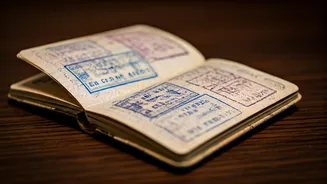
Before we dive in, let’s get on the same page. When you hear about a passport's 'power,' it’s usually referring to a ranking like the Henley Passport Index. This isn't some fluffy travel magazine list; it's a serious geopolitical scorecard. The index
uses exclusive data from the International Air Transport Association (IATA) to rank the world's passports based on how many destinations their holders can access without needing a visa beforehand. A higher score means more visa-free or visa-on-arrival access, which translates to greater freedom of movement for citizens. In essence, a strong passport is a symbol of a country's diplomatic pull, its positive relationships with other nations, and its perceived stability and economic strength on the global stage. It’s less about the document itself and more about the global trust and respect the issuing country commands.
The Story Behind India's Climb
So, what's behind the Indian passport’s recent surge, climbing multiple spots in the rankings over the last couple of years? The answer isn't a single silver bullet but a series of deliberate diplomatic efforts. Countries don't just randomly grant visa-free access; it’s the result of negotiations, treaties, and a growing confidence in the visiting population. In recent times, countries like Thailand, Sri Lanka, Kenya, and Malaysia have either waived visa requirements or simplified entry for Indian tourists. These moves are strategic. They recognize India as one of the world's fastest-growing outbound travel markets. By rolling out the welcome mat, these nations are betting on a surge in tourism revenue, cultural exchange, and stronger economic ties. For India, each new visa waiver is a diplomatic win, signaling its growing importance as a partner in trade and tourism.
A Nation With Newfound Wanderlust
The phrase 'more travel energy' isn't just a headline flourish; it reflects a seismic shift in Indian society. A burgeoning middle class, with more disposable income and a voracious appetite for global experiences, is fueling an unprecedented travel boom. For decades, international travel was a luxury reserved for the elite. Today, it’s an attainable aspiration for millions. Young professionals, families, and solo travelers are exploring beyond the traditional hubs of Dubai, Singapore, and London. They’re seeking adventure in Vietnam, culture in Europe, and safari experiences in Africa. This isn't just about pent-up post-pandemic demand; it's a structural change. As India's economy grows, so does the ambition of its citizens to see, and be seen by, the world. Airlines and tourism boards globally are taking note, adding flights and creating campaigns specifically targeting this dynamic and high-growth market.
Beyond Tourism: A Global Footprint
While vacation photos get all the attention, the impact of a stronger passport goes much deeper. Easier travel facilitates much more than just tourism. It empowers students to pursue education abroad, allows entrepreneurs to seek new markets and investments, and enables skilled professionals to attend conferences and collaborate with international peers. For the vast Indian diaspora, it simplifies family visits and strengthens cultural connections. A U.S.-based tech firm can more easily bring over a specialist from its Bangalore office for a short-term project. A researcher can attend a critical symposium without a lengthy visa process. This frictionless movement is a lubricant for the global economy, and as India's passport gains strength, its citizens are better positioned to participate in—and contribute to—that global exchange of ideas, talent, and capital.