




The Disappointment in the Produce Aisle
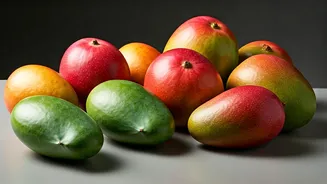
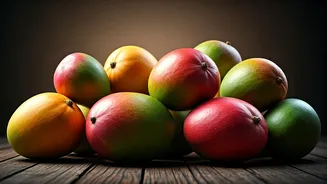
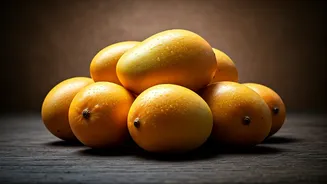
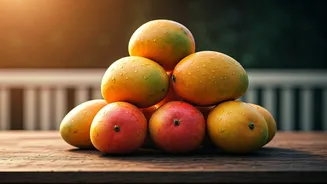
If you’re a mango lover, the past year has likely been one of mild frustration. The pyramids of fragrant, red-and-gold fruit that typically anchor the produce section have seemed smaller, the prices higher. The mangoes you do bring home might be disappointingly
fibrous, bland, or stubbornly refuse to ripen. You’re not imagining it. Across the United States, the supply of high-quality mangoes has become tighter and less reliable, turning a routine pleasure into a game of chance. The culprit isn’t a new pest or a shift in consumer demand. It’s something far more fundamental and volatile: the weather. The same climate instability impacting everything from coffee to cocoa has its sights set on our favorite tropical stone fruit, and the effects are being felt from the farm all the way to your kitchen counter.
A Tale of Too Much and Too Little
The U.S. gets its mangoes from a carefully orchestrated sequence of harvests in different countries, primarily in Central and South America. But this delicate supply chain was thrown into chaos by extreme weather patterns, largely supercharged by a powerful El Niño event. First, Peru, a major supplier of early-year mangoes, was hit with unusually warm temperatures and torrential rains. Mango trees, which need a cool, dry spell to trigger flowering, were confused. Instead of bursting with blossoms, many produced leaves. The flowers that did emerge were often damaged by rain and humidity, leading to fungal diseases and a dramatic drop in fruit production—some estimates suggest the Peruvian crop was down by as much as 80%. As Peru’s season ended, all eyes turned to Mexico, which provides the majority of mangoes consumed in the U.S. from spring through summer. But Mexico was facing the opposite problem: a crippling drought and record-breaking heatwaves. The intense heat stressed the trees, causing blossoms to drop before they could be pollinated and leading to smaller, less juicy fruit on the ones that survived. This one-two punch of too much rain in one key region and not enough in another created a massive gap in the market.
The Mango’s Delicate Dance with Climate
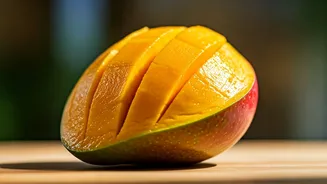
Unlike a hardy apple or a resilient potato, the mango is a notoriously finicky fruit. Its entire life cycle is a delicate dance with environmental cues. The Ataulfo mango (often marketed as the Honey mango), prized for its creamy, fiber-free texture, is particularly sensitive. To produce a bumper crop of perfect fruit, a mango orchard requires a distinct rhythm: a dry season to signal the trees it's time to flower, a period of mild weather for pollination, and then steady warmth and sunshine to sweeten the fruit. Climate change and the increasingly intense weather events it fuels are disrupting this rhythm. Instead of predictable seasons, farmers are facing weather whiplash. Prolonged droughts, sudden deluges, unseasonable heat, and late-season cold snaps are becoming the new norm. This volatility makes it nearly impossible for the trees to follow their natural cycle, resulting in inconsistent yields and unpredictable quality. A seemingly small temperature swing at the wrong time can mean the difference between a successful harvest and a near-total loss.
The Human Cost of a Pricier Fruit
While American consumers are noticing the impact in their grocery bills, the real crisis is unfolding for the thousands of farmers and farmworkers whose livelihoods depend on the mango. For small-scale growers in countries like Peru, Mexico, and Ecuador, a failed harvest isn't an inconvenience; it's a catastrophe. Many have invested everything they have in their orchards, and a single bad season can spell financial ruin. The disruption ripples through entire communities, affecting pickers, packers, and transport drivers. The global agricultural system is built on the assumption of predictable seasons. As that assumption breaks down, it’s the people on the front lines of food production who are most exposed. The higher price you pay for a mango today is a faint echo of the much greater economic pain being felt at the source.