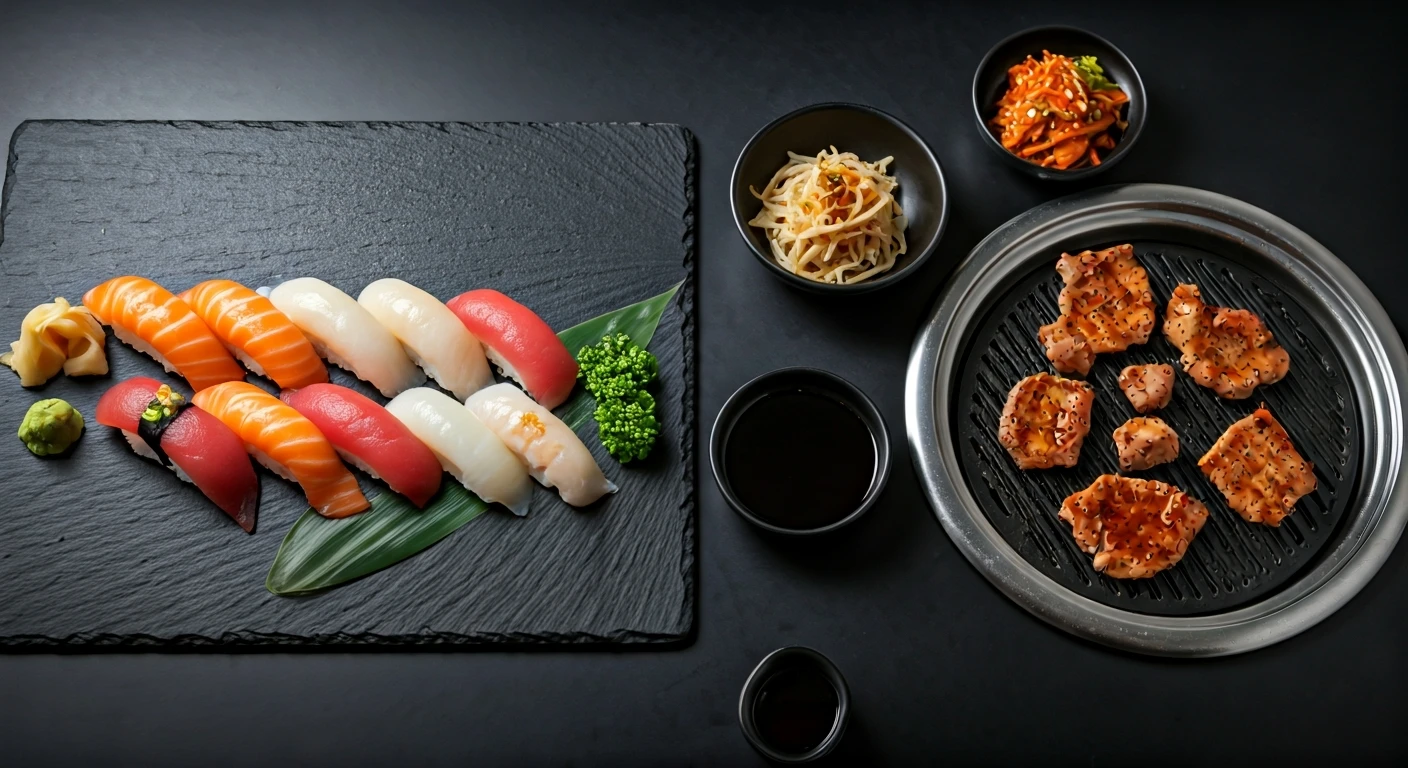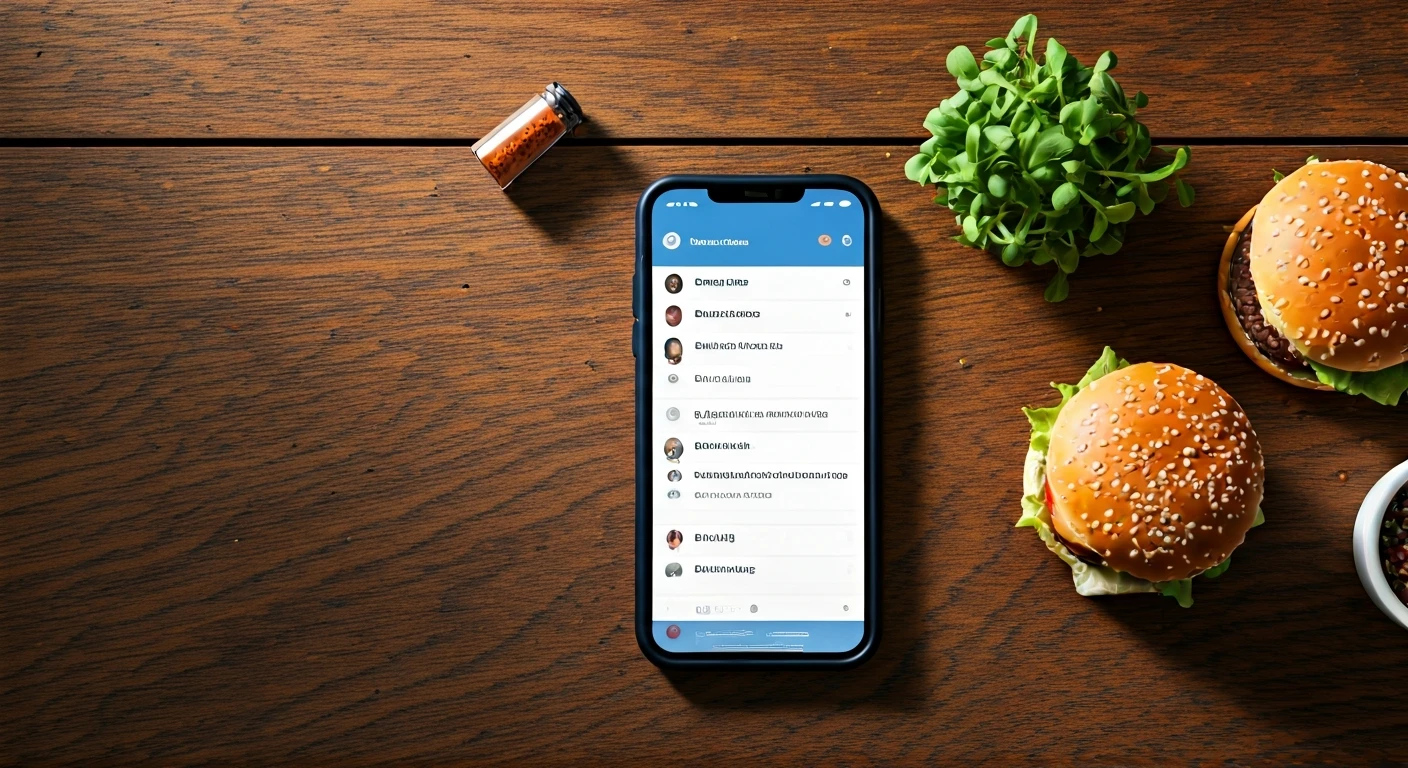





The New Digital Curb Appeal
Welcome to the era of algorithmic eating. For generations, the appeal of street food was its aroma, the sizzle on a grill, or the recommendation of a local. Today, the primary driver of a food stall’s success can be its visual magnetism. The new curb
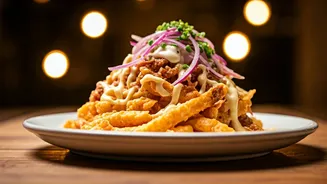
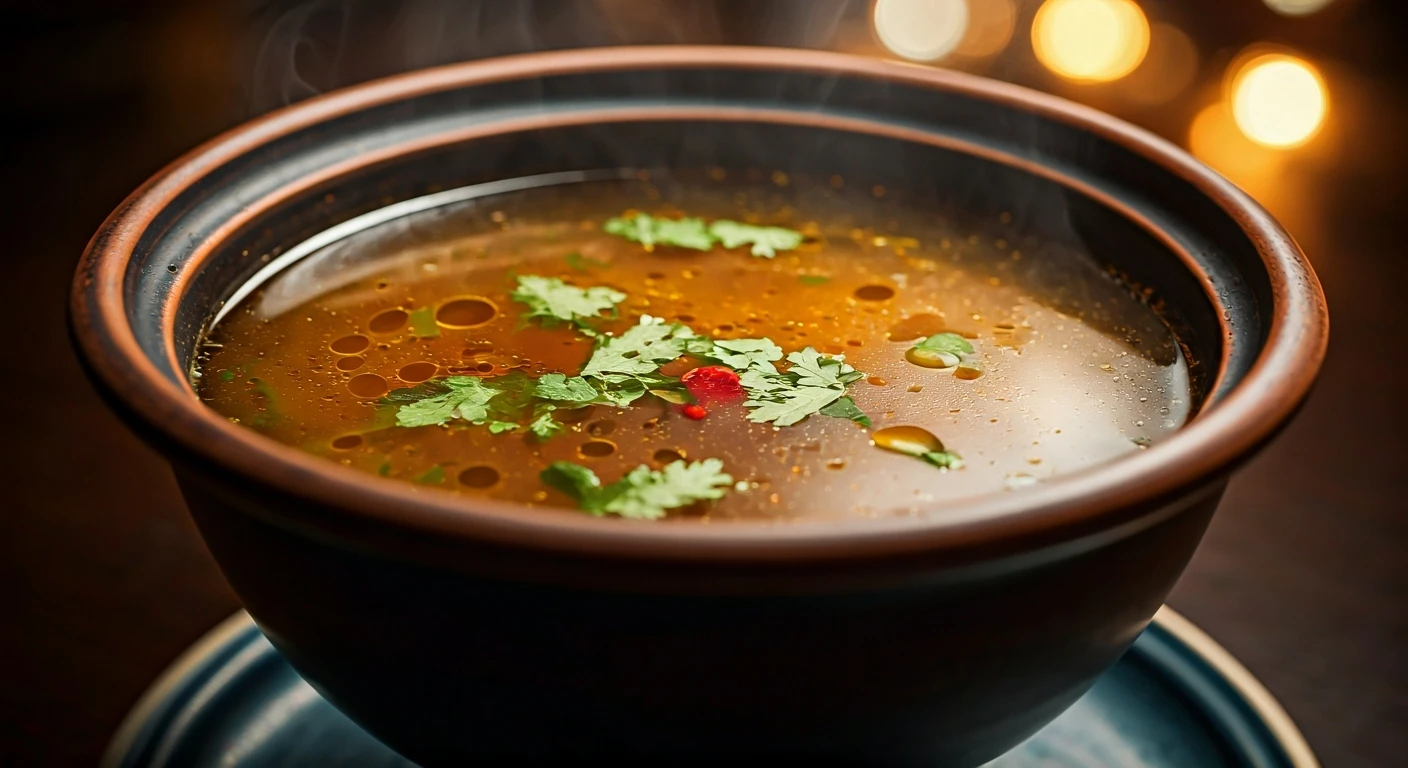
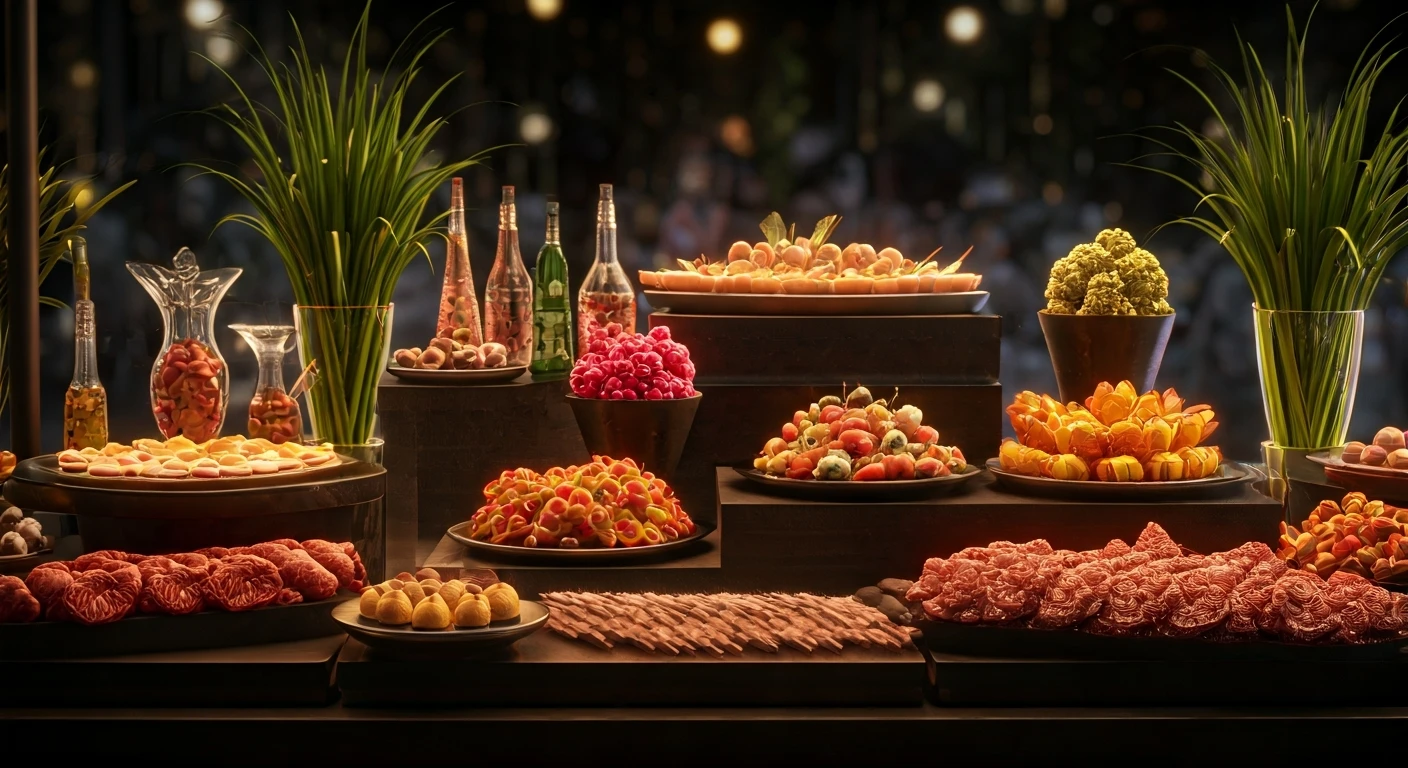
appeal isn’t on the street; it’s on a screen. Street food vendors, once focused solely on flavor and efficiency, are now part-time food stylists and content creators. They’re engineering dishes not just for the palate, but for the camera lens. This means saturated colors, dramatic textures, and, most importantly, an element of action. Think of a knife slicing through a perfectly layered cake to reveal a molten core, or tongs lifting a massive, sauce-drenched piece of meat. These aren't just meals; they are 15-second cinematic events designed to stop a thumb in its tracks.
Cooking for the Algorithm
To say this food is “feeding the algorithm” is not an exaggeration. Social media platforms like TikTok and Instagram Reels are built on short, looping, high-impact video. Their recommendation engines are designed to identify and promote content that elicits a quick, strong reaction. Visual street food is perfectly tailored to this environment. The 'money shot'—the cheese pull, the sauce drip, the cross-section—delivers an instant hit of sensory satisfaction. This visual payoff is highly 'watchable' and 'shareable,' signaling to the algorithm that the content is valuable. A video of a perfectly gooey Korean corn dog being pulled apart might rack up millions of views, not because millions are planning to eat one, but because the visual itself is compelling. The food has become the star of its own viral loop, independent of its taste.
The Entrepreneur's Double-Edged Sword
For small-scale food entrepreneurs, this trend is both a golden ticket and a high-pressure trap. On one hand, a single viral video can transform a struggling food truck into an overnight sensation, with lines stretching around the block. It’s a form of marketing that’s essentially free, democratizing fame and allowing vendors to compete with established restaurants without a massive advertising budget. However, the pressure is immense. Vendors feel compelled to design dishes around visual gimmicks, sometimes at the expense of authentic flavor or sustainable practices. The cost of 'Instagrammable' ingredients like edible glitter, gold leaf, or excessive amounts of cheese can eat into already thin profit margins. Furthermore, viral fame can be fleeting. The crowd that shows up for one trendy item might disappear as soon as the next big thing appears on their feed, leaving the vendor scrambling to create another hit.
Is It Still About the Food?
This phenomenon forces a bigger question: what is the purpose of food in the digital age? Critics argue that the prioritization of spectacle over substance devalues culinary craft. If a dish is engineered to look good for 10 seconds, does it matter if it’s disappointing to eat? The chase for virality can lead to novelty items that are visually stunning but ultimately unsatisfying, turning food into a disposable prop for online validation. Yet, one could also argue this is simply the next evolution of food as art. Chefs in high-end restaurants have long understood the power of plating and presentation. Visual street food is just a more democratic, chaotic, and amplified version of the same principle. It acknowledges a simple truth: we eat with our eyes first, and in 2024, our eyes are glued to our screens.