





The Rise of the Mini-Break
So, what exactly is a “micro-cation”? While there’s no official dictionary definition, the travel industry generally considers it any leisure trip lasting four nights or less. Think of it as a long weekend with a purpose. This isn’t just about spontaneously
deciding to leave town on a Friday; it’s a deliberate, planned escape designed to maximize a small window of time. It’s the antidote to the unused PTO sitting in your account and the overwhelming logistics of planning a massive international journey. Instead of one big, high-pressure trip per year, the micro-cation philosophy embraces a series of smaller, more frequent, and more manageable getaways.
Why This Trend is Exploding Now
The micro-cation isn’t just a cute buzzword; it’s a direct response to the pressures of modern American life. First, there's the economic reality. With inflation affecting everything from gas to groceries, a ten-day European tour can feel financially out of reach. A three-day trip to a nearby city or national park, however, requires less cash for lodging, food, and activities, making it far more palatable for a strained budget. Secondly, our work culture has changed. The rise of remote and hybrid work offers new flexibility, making it easier to tack a day or two onto a weekend without disrupting the entire office. At the same time, post-pandemic burnout is rampant. Many people feel they can’t afford to be fully disconnected for two weeks, but the need for a mental reset is stronger than ever. A short trip feels less disruptive to work yet provides the necessary psychological break.
More Breaks, Better Well-Being
The benefits of this approach go beyond simple logistics. Psychologically, the anticipation of a trip is a significant source of happiness. By planning several small trips throughout the year, you give yourself multiple moments of positive anticipation to look forward to. Research has also suggested that the mental health benefits of a vacation—reduced stress, improved mood—are potent but can fade quickly. More frequent, shorter breaks may be a more effective strategy for maintaining well-being than a single annual blowout. This travel style also encourages deeper local and regional exploration. Instead of saving up for one far-flung destination, you can discover the incredible diversity of cities, parks, and coastlines within a few hours’ drive or a short flight from your home.
How to Master the Micro-Cation
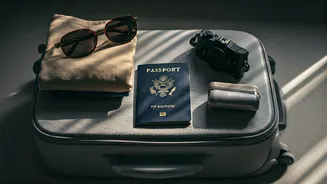
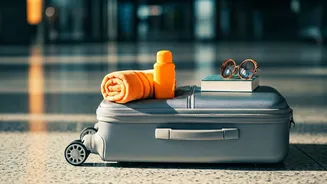
Making the most of a short trip is an art form. The key is to reduce friction and maximize enjoyment. First, choose your destination wisely. Stick to places within a 3-4 hour travel radius. The goal is to spend more time enjoying and less time in transit. Second, resist the urge to overschedule. Instead of a packed itinerary, pick one anchor activity—a must-see museum, a specific hiking trail, a reservation at a highly-rated restaurant—and let the rest of your time be more spontaneous. This prevents the trip from feeling like a frantic checklist. Pack light; a carry-on is all you need, saving you time at the airport and stress. Finally, be strategic with your timing. Leverage long holiday weekends to get a three- or four-day break while only using one or two precious PTO days.