





Time Your Workout Wisely
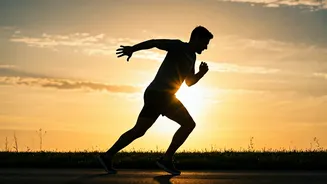
The most fundamental rule of summer exercise is to avoid the sun at its peak. The hottest part of the day is typically between 10 a.m. and 4 p.m., when the sun's rays are most direct and ambient temperatures are highest. This isn't just about avoiding
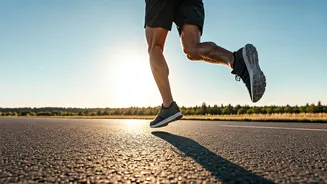
a sunburn; it’s about reducing the overall thermal load on your body. An early morning workout, before the concrete and asphalt have had a chance to bake, offers cooler, fresher air. A late evening session, after the sun has begun to set, provides similar relief. If your schedule forces you into a midday workout, take it indoors. A treadmill run in an air-conditioned gym will always be safer than a sweltering jog in the afternoon heat. It’s not about being 'tough'; it’s about being smart enough to finish your workout safely and be ready for the next one.
Hydrate Smarter, Not Just Harder
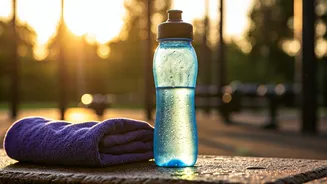
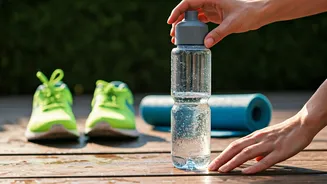
Everyone knows to drink water when it’s hot, but effective hydration is more strategic than that. Don't wait until you're thirsty—by then, you're already dehydrated. Start hydrating hours before your workout. Aim to drink 16-20 ounces of water two to three hours beforehand, and another 8 ounces about 30 minutes before you start. During your workout, sip consistently, about 7-10 ounces every 15-20 minutes. If you're exercising for more than an hour or sweating profusely, water alone isn't enough. You're also losing essential electrolytes like sodium and potassium. A sports drink or an electrolyte tablet dissolved in your water can replenish what you lose through sweat, preventing cramps and more serious issues like hyponatremia (dangerously low sodium levels from drinking too much plain water).
Understand the Humidity Factor
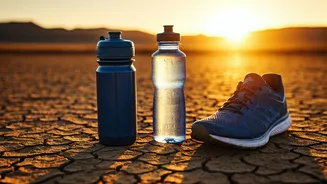
An 85-degree day in the dry desert of Arizona feels very different from an 85-degree day in humid Houston, and for a good reason. Your body’s primary cooling mechanism is sweat. As perspiration evaporates from your skin, it pulls heat away. But when the air is already saturated with moisture (high humidity), your sweat can't evaporate effectively. It just drips off, providing little to no cooling benefit. This is why the 'heat index' or 'feels like' temperature is a more important metric than the temperature alone. On a humid day, your body has to work much harder to cool itself, which dramatically increases your risk of overheating. Always check the heat index before you head out, and if it's dangerously high, consider modifying your plan.
Dress for Cooling Success
Your summer workout wardrobe isn't about fashion; it's about function. Cotton, while comfortable for lounging, is a poor choice for exercise. It absorbs sweat and holds it against your skin, becoming heavy and preventing cooling. Instead, opt for lightweight, loose-fitting clothing made from synthetic, moisture-wicking fabrics like polyester or nylon. These materials pull sweat away from your skin to the fabric's surface, where it can evaporate. Light colors are also a better choice than dark ones, as they reflect the sun's heat rather than absorbing it. Finally, don't forget sun protection. A wide-brimmed hat or visor can keep the sun off your face and scalp, and applying a broad-spectrum, sweat-resistant sunscreen is non-negotiable for any exposed skin.
Know the Signs of Distress
Perhaps the most critical piece of common sense is to listen to your body and know when to stop. Pushing through the early warning signs of heat-related illness is a dangerous gamble. Be aware of the symptoms of heat exhaustion: heavy sweating, cold and clammy skin, a fast but weak pulse, nausea, dizziness, headache, and muscle cramps. If you experience these, stop immediately, move to a cool place, sip water, and loosen your clothing. Heatstroke is a far more serious medical emergency. Its signs include a high body temperature (103°F or higher), hot and red skin (which may be dry or damp), a fast and strong pulse, confusion, and possible loss of consciousness. This requires immediate 911 assistance.
Adjust Your Expectations
You are not going to set a personal record for your 5k time in the middle of July, and that’s perfectly okay. The heat forces your cardiovascular system to work overtime to shuttle blood to your skin for cooling, leaving less available for your working muscles. Your heart rate will be higher for the same level of effort, and you'll fatigue more quickly. Accept this reality and adjust your goals accordingly. Shorten your workout duration, reduce your intensity, take more frequent breaks, or incorporate more cross-training in a climate-controlled environment. Summer fitness is a marathon, not a sprint. The goal is to maintain consistency and health, not to prove you can conquer the sun.