


The Backlash Against 'Clean Eating'
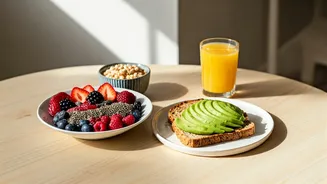
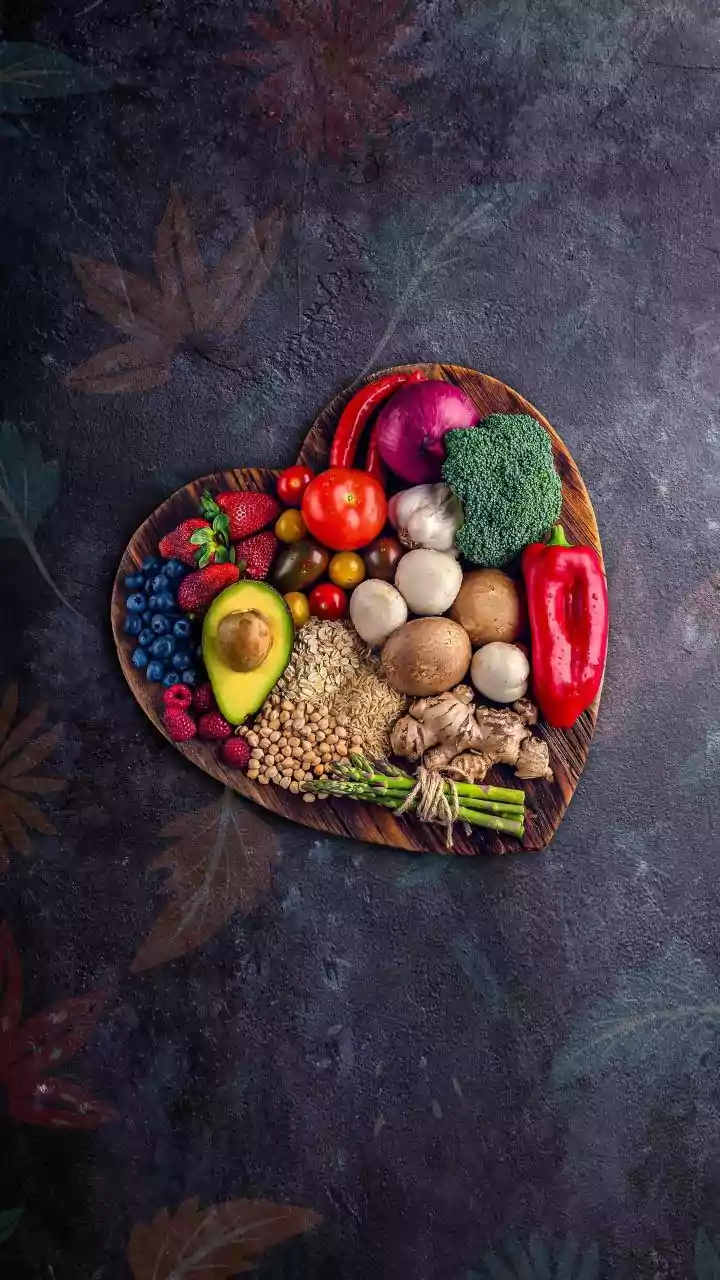
Remember the era of 'clean eating'? It dominated the 2010s with a doctrine of elimination. Gluten, dairy, sugar, and anything 'processed' were cast as villains. Wellness influencers filled our feeds with green juices, cauliflower everything, and beautifully
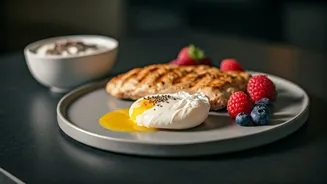
arranged grain bowls that, while photogenic, often felt prescriptive and punishing. The underlying message was one of restriction and purity, suggesting that health was something to be earned through denial. This approach not only created anxiety around food but also quietly dismissed entire culinary traditions. Cuisines rich in history, flavor, and community connection—from hearty Italian pasta dishes to spice-laden Indian curries or savory Mexican stews—were often implicitly labeled 'unhealthy' if they didn't fit the narrow, often Eurocentric, mold of what wellness was supposed to look like. The burnout was inevitable. People grew tired of the rules, the guilt, and the blandness.
What 'Unapologetically Authentic' Means
Enter the counter-movement: a return to unapologetically authentic food. This isn't a free-for-all of junk food, but a powerful reclamation of heritage and pleasure. At its core, it’s about embracing the foods that tell a story—your family's story, your culture's story. It’s the difference between a sad, deconstructed salad and a vibrant, soulful bowl of pho, rich with bone broth and fragrant herbs. 'Authentic' here means honoring traditional ingredients and preparation methods, recognizing that generations of wisdom are baked into these recipes. Cookbook authors and chefs are leading the charge, celebrating the dishes of their upbringing. They're showing us that the 'health' in a dish isn't just its calorie count or macronutrient ratio; it's in the freshness of the ingredients, the love in its preparation, and the cultural significance it holds. It’s about recognizing that a plate of dal with rice or a handmade tortilla filled with seasoned beans is not just nourishing for the body, but for the soul.
Health Beyond Just Nutrients
This redefinition of healthy eating expands the very meaning of 'health.' It argues that well-being is not a sterile, clinical concept measured in grams and percentages. Instead, it’s a holistic experience that includes joy, community, and identity. Sharing a lovingly prepared meal with family is healthy. Cooking a recipe passed down from your grandmother is healthy. Finding comfort and delight in your food is healthy. This shift challenges the diet industry's obsession with individual nutrients and instead focuses on overall dietary patterns and, more importantly, a person's relationship with food. For many, especially in immigrant communities, it's a way of decolonizing their plates. It's a refusal to accept that their ancestral foods are somehow inferior to the Western ideal of a salad or a grilled chicken breast. By proudly cooking and sharing these recipes, people are asserting that their culture is valid, valuable, and inherently wholesome.
From Niche Movement to Mainstream Shift
What started with a few defiant voices on social media and in independent cookbooks has blossomed into a mainstream cultural shift. You can see it on restaurant menus that proudly label dishes with their regional origins, in grocery stores expanding their international aisles, and even in the way registered dietitians are talking about food. Many nutrition professionals are now moving away from rigid meal plans and toward more inclusive, intuitive eating models that encourage people to listen to their bodies and honor their cultural foodways. The message is resonating because it feels true. It acknowledges that food is fundamentally about connection—to our past, to our families, and to ourselves. It gives us permission to stop chasing an impossible standard of 'perfection' and instead find sustainable well-being in the foods we already know and love. This isn’t just a trend; it's a long-overdue correction.