




Beyond the Kale and Quinoa Aisle
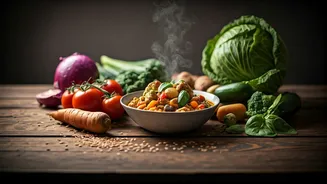
Not long ago, the picture of “healthy eating” was remarkably uniform. It was often expensive, aesthetically muted, and culturally specific to a Western ideal: think steamed chicken breast, quinoa bowls, and endless kale salads. This narrow definition
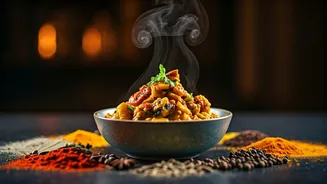
created an unspoken hierarchy. Foods falling outside this paradigm—richly spiced curries, savory noodle soups, hearty stews simmered with unfamiliar fats—were often relegated to the category of “cheat meals” or indulgent “ethnic food,” implying they were somehow less virtuous or nutritionally sound. This “wellness whitewash” did more than just limit our palates; it cast a shadow of doubt over entire culinary traditions. For millions of Americans from diverse backgrounds, it created a confusing dissonance. The very foods that nourished their families for generations, built on whole ingredients, complex spices, and time-honored techniques, were suddenly deemed suspect by a wellness industry that privileged Goji berries over ghee and spiralized zucchini over perfectly cooked rice. This framing ignored the inherent health benefits of global cuisines and implicitly asked people to choose between their culture and their well-being.
Science Catches Up to Tradition
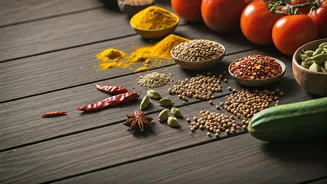
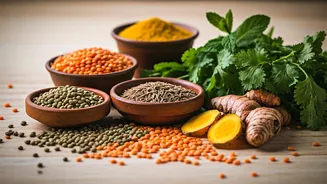
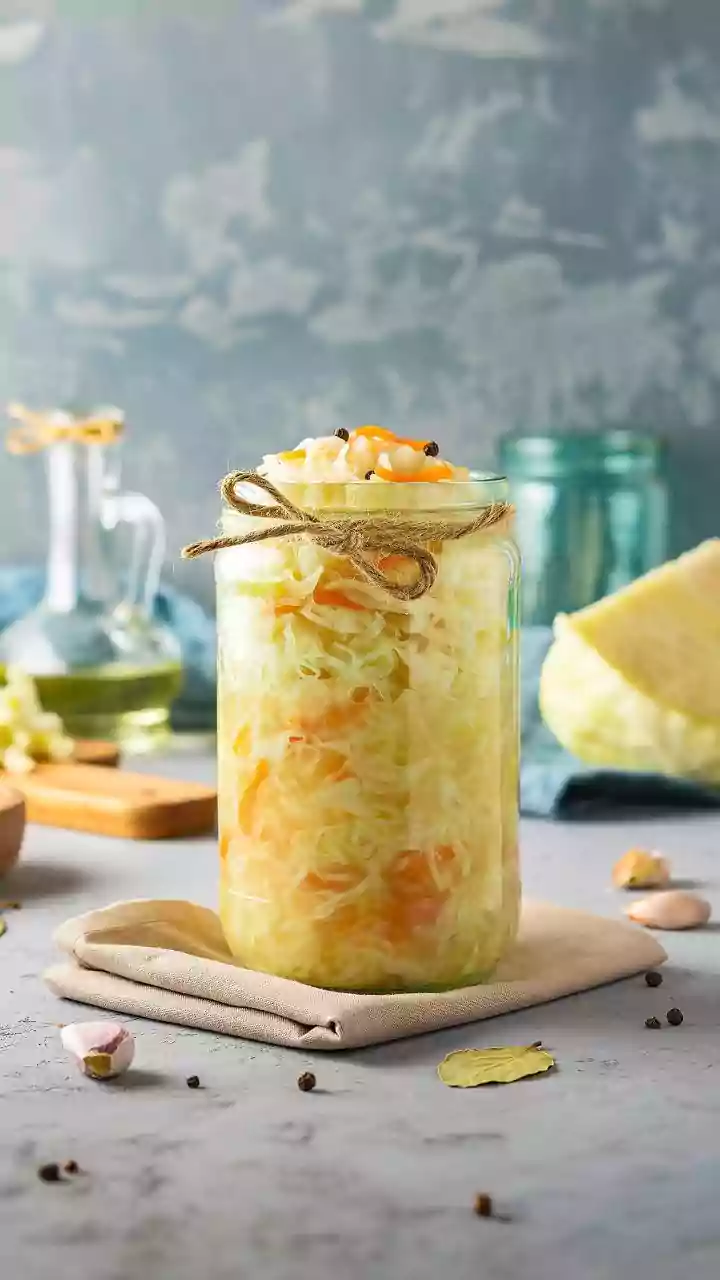
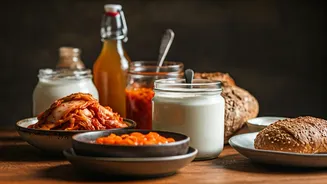
The long-overdue shift in perception isn't just about cultural appreciation; it's backed by nutritional science. Researchers and dietitians are increasingly validating the profound health benefits embedded in traditional cooking. Fermentation, a cornerstone of cuisines from Korean (kimchi) to German (sauerkraut) to Ethiopian (injera), is now celebrated for its role in promoting gut health. The complex, vibrant spice blends found in Indian, Mexican, and Middle Eastern cooking are loaded with powerful anti-inflammatory and antioxidant compounds like turmeric, cumin, and cinnamon. Similarly, the emphasis on legumes, lentils, and diverse whole grains in many global diets provides a wealth of fiber and plant-based protein that modern nutritionists champion. The healthy fats found in olive oil, avocados, and nuts—staples of Mediterranean and Latin American diets—are now understood to be crucial for heart and brain health. It turns out that a bowl of dal, a side of kimchi, or a savory tagine isn't an indulgence to feel guilty about. It’s a complex, nutrient-dense meal that reflects a deep, intuitive wisdom about what the human body needs to thrive.
Reclaiming the Narrative Online
This re-evaluation is being led by a new generation of chefs, registered dietitians, and food writers, many of whom are people of color. Armed with social media platforms and a desire to see their own heritage reflected in the wellness conversation, they are actively dismantling outdated myths. Creators are showing their followers how to make traditional dishes without apologetically “healthifying” them by stripping out essential fats or carbohydrates. They are explaining the nutritional science behind their family recipes, celebrating ingredients that were once misunderstood, and challenging the notion that their cultural foods need a Westernized makeover to be considered healthy. These voices are providing a powerful corrective. By sharing personal stories and professional expertise, they are destigmatizing foods that have been unfairly maligned. They argue that health is not about restriction or assimilation but about balance, flavor, and connection. This movement isn't just about adding new foods to the “approved” list; it's about fundamentally changing who gets to define what “healthy” means.
From 'Ethnic Food' to Everyday Health
The ultimate goal is to move beyond the limiting label of “ethnic food,” a term that others and exoticizes anything outside the white, Eurocentric mainstream. As authentic recipes gain the respect they deserve, the hope is that they become integrated into the broader American understanding of a healthy diet. A satisfying bowl of Vietnamese pho is not just an occasional treat; it’s a bone-broth-based, herb-forward meal. A plate of Mexican beans and rice isn't just a side dish; it’s a complete protein. This shift benefits everyone. It expands our culinary horizons, introduces us to new flavors and nutrients, and fosters a more joyful and less restrictive relationship with eating. When we recognize the healthfulness inherent in a wide range of cultural traditions, we move away from a one-size-fits-all model of wellness and toward something far more inclusive, sustainable, and, frankly, delicious. It’s an invitation to see the food on our plates not just as fuel, but as a piece of history, culture, and wisdom.