


First, What Is Khichdi?
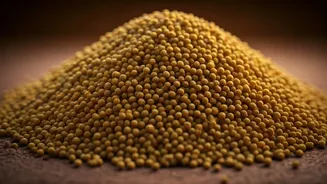
For hundreds of millions in and outside of India, khichdi (pronounced KITCH-ree) is the culinary equivalent of a warm hug. At its core, it’s a humble, one-pot dish of rice and lentils, often cooked to a soft, porridge-like consistency. It’s the first
solid food for babies, the prescribed meal for someone recovering from illness, and the go-to comfort dish on a rainy day. Seasoned with a pinch of turmeric and a dollop of ghee (clarified butter), it’s nourishing, easily digestible, and profoundly simple. Every region, and indeed every family, has its own version—some with added vegetables, others with different lentil-to-rice ratios. But its reputation has always been rooted in simplicity and comfort, not culinary prestige.
The High-Fashion Makeover
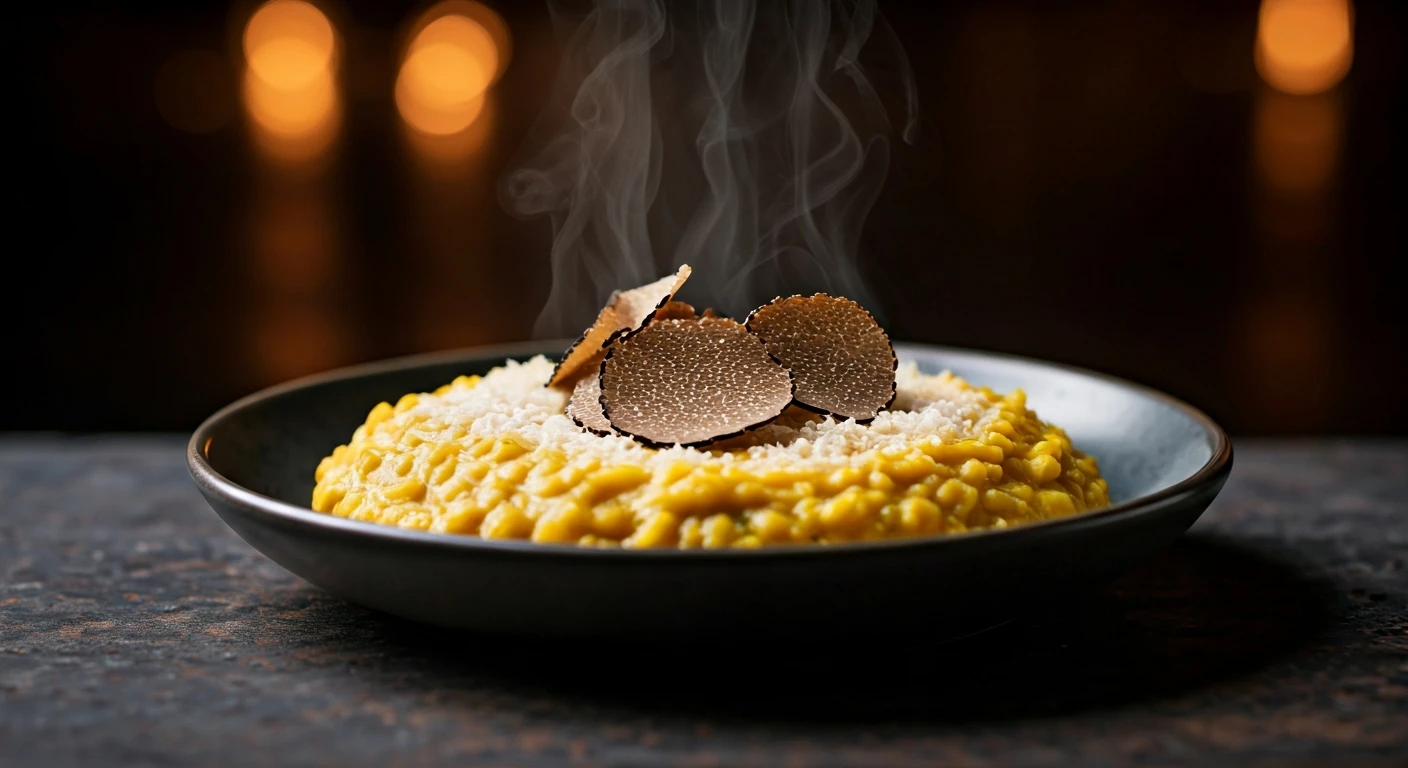
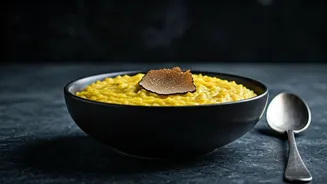
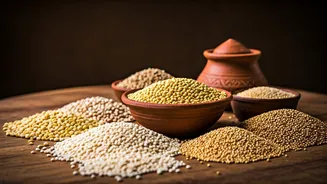
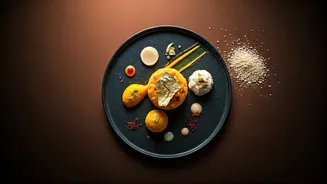
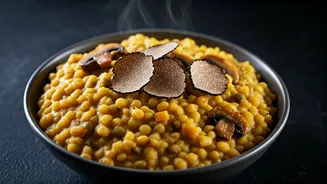
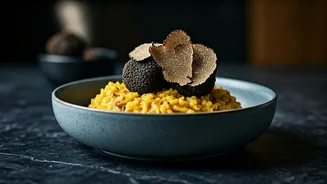
Now, picture that wholesome dish transformed. Top chefs are deconstructing and rebuilding khichdi for the fine-dining palate. The simple rice and lentils might be replaced with artisanal grains like millet or quinoa. The gentle turmeric might be complemented by more complex spice blends. And then comes the star of this new show: the truffle. Whether infused as aromatic oil swirled in just before serving or shaved fresh over the top in delicate, dark ribbons, the truffle’s earthy, musky decadence creates a head-spinning contrast with the dish’s humble origins. This isn't just adding an expensive ingredient; it's a complete reimagining of the dish’s identity, turning a familiar comfort into a statement of affordable luxury and culinary creativity.
Why the Pop-Up Scene?
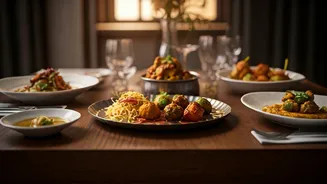
It’s no accident this trend is flourishing in the world of pop-ups. Unlike a traditional restaurant with a fixed menu, a pop-up is a temporary, experiential event. It's the perfect laboratory for chefs to experiment without the risk of overhauling a permanent menu. For diners, it’s about scarcity and discovery—the thrill of tasting something unique that might never be available again. A dish like truffle khichdi is perfect for this environment. It’s unexpected, conversation-starting, and photogenic. It signals to guests that the chef is both grounded in tradition and daringly modern, offering an experience that feels both exclusive and deeply personal.
A Delicious Cultural Statement
Ultimately, the rise of gourmet khichdi is about more than just food. It’s a powerful symbol of a shift in how America sees global cuisine. For years, international foods were often expected to be “cheap and authentic.” But a new generation of diaspora chefs are refusing to be confined to that box. They are claiming the right to innovate, to be luxurious, and to present their heritage on the same stage as French or Italian fine dining. By taking a dish like khichdi and giving it the truffle treatment, they are making a bold statement: our comfort food is worthy of your celebration. It’s a delicious act of cultural confidence, proving that the line between “humble” and “haute” is blurrier, and tastier, than ever before.