

The Probiotic Promise: A Helpful Start
Let’s start with what probiotics get right. They are live microorganisms—tiny, beneficial bacteria and yeasts—that can offer health benefits when consumed in adequate amounts. Think of them as reinforcements for the trillions of microbes already living
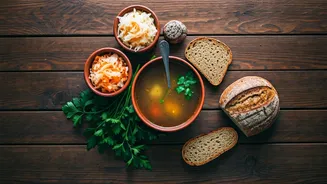
in your gut, an ecosystem known as your microbiome. When this ecosystem is out of balance, with too many “bad” bacteria and not enough “good” ones, it can contribute to digestive issues and other health concerns. Probiotic-rich foods like yogurt, kefir, sauerkraut, and kimchi, as well as supplements, introduce beneficial strains like Lactobacillus and Bifidobacterium into your system. They arrive ready to set up shop and help restore order. This is a great first step, especially after a round of antibiotics or a period of poor diet has disrupted your gut’s natural balance. But their journey doesn't end upon arrival; it’s where the real work begins, and they can’t do it alone.
The Real MVP: Prebiotics as Fuel
If probiotics are the seeds you plant in your gut’s garden, prebiotics are the soil and fertilizer. Prebiotics are a type of dietary fiber that your body can't digest. Instead, they travel to your lower digestive tract, where they become a five-star meal for your beneficial gut bacteria, including the new arrivals from your probiotic supplement.
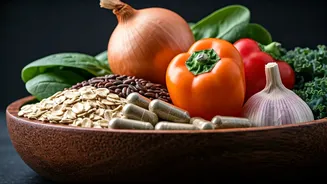
Without this fuel, probiotic bacteria struggle to survive, multiply, and do their job effectively. They might pass through your system without ever establishing a strong foothold. This is the crucial detail often missing from the conversation. You can swallow all the expensive probiotic capsules you want, but if you’re not feeding them, you’re missing the most important part of the equation. This synergistic relationship is why focusing only on probiotics is a half-measure. You need to nourish what’s already there and what you’re adding.
Beyond Prebiotics: Why Variety Is King
A truly resilient and healthy gut microbiome isn't just well-fed; it's diverse. Different types of beneficial bacteria thrive on different types of plant fibers. Eating only one or two kinds of prebiotic foods, like a banana every day, is better than nothing, but it’s like only feeding the roses in a vast garden. You’re neglecting the tulips, the daisies, and all the other flowers that make the ecosystem vibrant and strong.
A diet rich in a wide variety of plant-based foods provides a full spectrum of fibers and nutrients that support a wider array of microbes. Each of these microbial species performs different functions, from producing essential vitamins and short-chain fatty acids to helping regulate your immune system. The more diverse your diet, the more diverse and robust your gut microbiome becomes, making it better equipped to handle stressors, fight off pathogens, and keep you healthy.
Building Your Gut-Friendly Grocery List
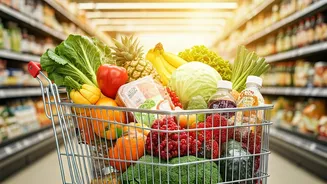
So, how do you put this into practice? It's simpler than it sounds and doesn't require exotic ingredients. The goal is to incorporate more prebiotic-rich and fiber-diverse foods into your existing meals. Think color and variety.
Excellent sources of prebiotics include:
* **Vegetables:** Onions, garlic, leeks, asparagus, and Jerusalem artichokes are prebiotic powerhouses.
* **Fruits:** Slightly under-ripe bananas and apples contain valuable fibers.
* **Whole Grains:** Oats, barley, and whole wheat are fantastic choices. A bowl of oatmeal is a perfect prebiotic breakfast.
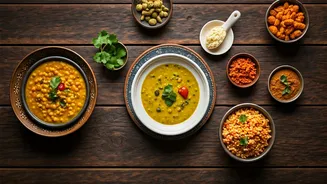
* **Legumes:** Lentils, chickpeas, and beans of all kinds are packed with fiber that your gut microbes love.
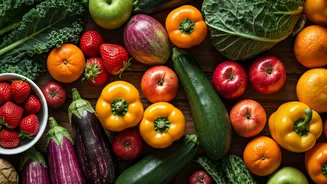
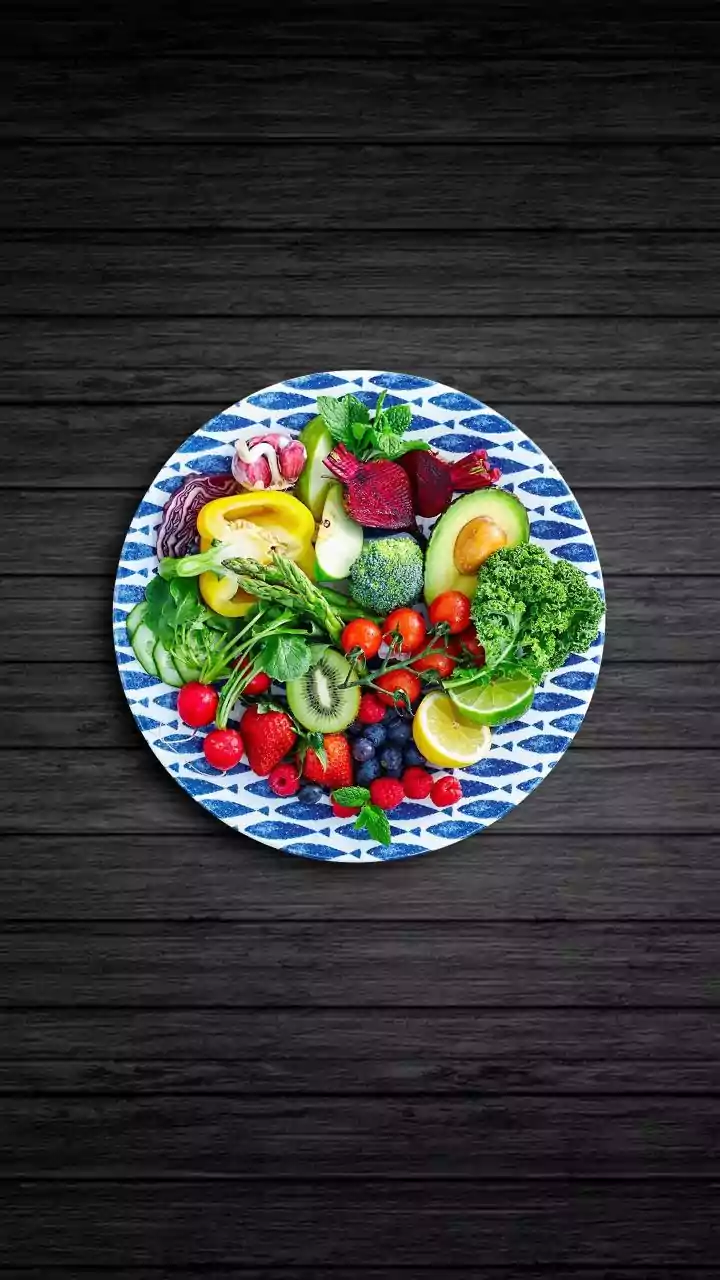
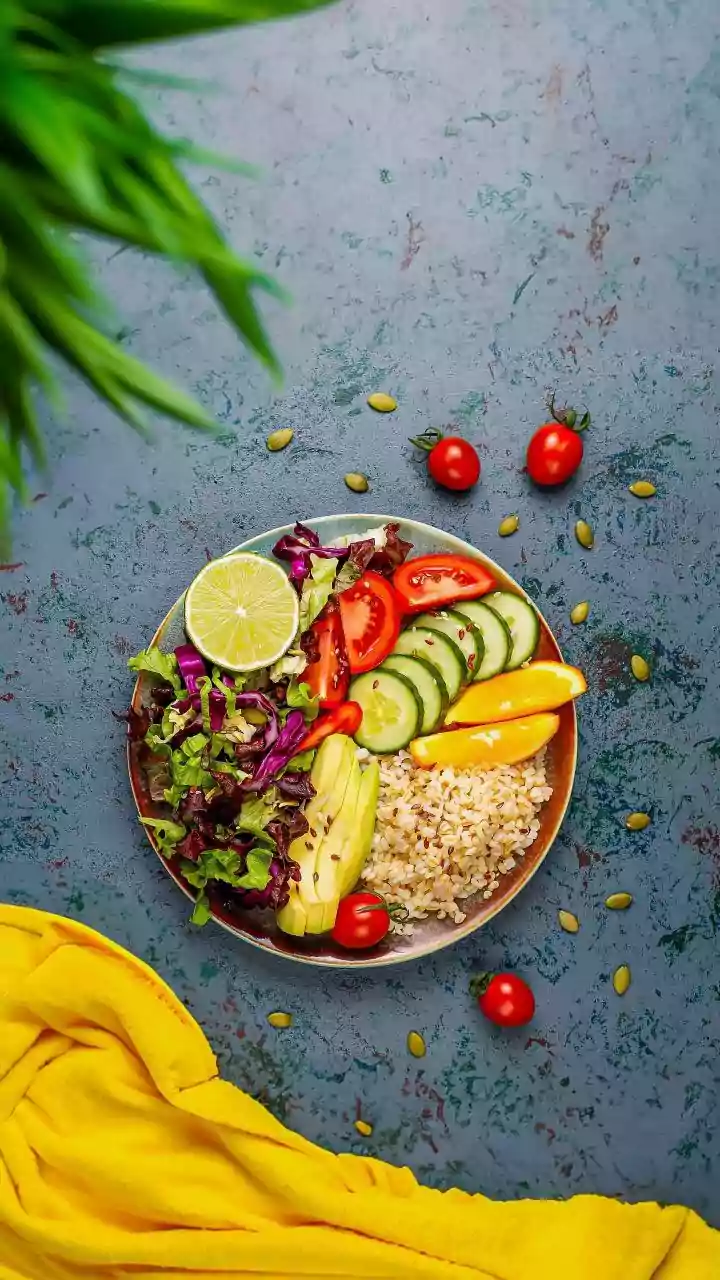
To ensure variety, challenge yourself to “eat the rainbow.” Instead of just broccoli, try adding bell peppers, carrots, and purple cabbage to your stir-fry. Swap your usual snack for a handful of mixed nuts or a different type of fruit. The aim isn’t perfection; it’s about making small, consistent shifts toward a more varied, plant-forward diet that provides the backup your probiotics desperately need.