


1. Your Tires: The First Line of Defense
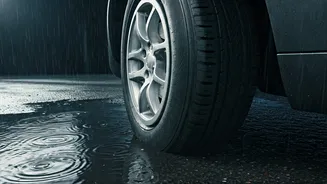
Your tires are the only part of your car that actually touches the road, and in a storm, their job gets infinitely harder. The deep grooves in your tire treads are designed to channel water away, keeping the rubber in contact with the pavement. When those
treads are worn down, your car can lose its grip and begin to hydroplane—essentially skiing on a thin layer of water. This can happen at speeds as low as 35 mph with worn tires. To check your tread, use the classic penny test: insert a penny into the tread with Lincoln’s head upside down. If you can see the top of his head, your treads are too shallow and it’s time for new tires. Also, check your tire pressure. Both under-inflated and over-inflated tires can reduce traction. Your car’s recommended pressure is listed on a sticker inside the driver’s side doorjamb—don't use the number printed on the tire itself.
2. Wiper Blades: The Key to Visibility
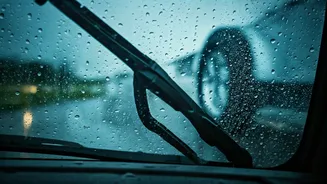
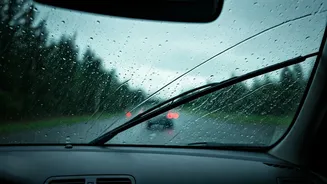
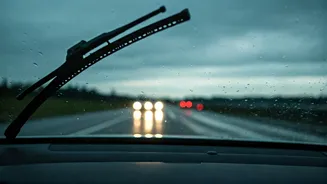
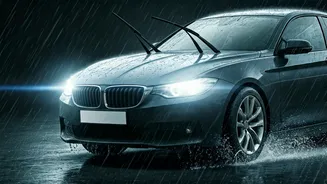
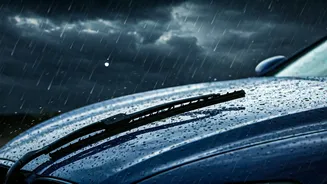
If you can't see, you can't drive safely. It’s that simple. Windshield wipers are your most critical tool for maintaining visibility in a downpour, yet they are often the most neglected. Blades are made of soft rubber that degrades over time due to sun exposure and use. If your current wipers leave streaks, make chattering or squeaking noises, or have visible cracks and tears in the rubber, they need to be replaced. Don’t wait for the first storm to discover they’re useless. Replacing them is an inexpensive and easy DIY job you can do in any auto parts store parking lot in under ten minutes. While you’re at it, top off your windshield washer fluid. A sudden splash of road grime from a passing truck can blind you instantly, and you’ll need that fluid to clear it away.
3. Lights: See and Be Seen
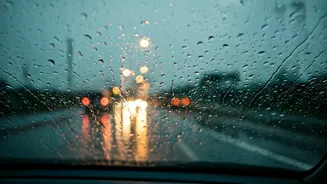
When rain reduces visibility, your car’s lights aren’t just for helping you see the road—they’re for helping other drivers see you. A surprising number of accidents in inclement weather happen because one driver simply didn’t see the other car until it was too late. Before rainy season hits, do a quick walk-around of your vehicle. Have a friend or family member help you check that all your lights are working: headlights (both low and high beams), taillights, brake lights, and turn signals. A burnt-out bulb is a cheap and simple fix that significantly boosts your safety profile on a dark, stormy road. Many states have laws requiring headlights to be on whenever wipers are in use, so get in the habit of flipping them on as soon as the rain starts.
4. Brakes: Your Ultimate Safety Net
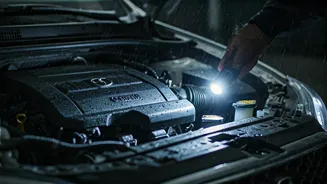
Wet roads increase the distance it takes for your car to come to a complete stop. This makes having fully functional brakes absolutely non-negotiable. While a comprehensive brake inspection is best left to a professional, there are warning signs you can pay attention to. Do you hear a high-pitched squealing or a harsh grinding sound when you apply the brakes? Does the brake pedal feel soft, spongy, or have to be pushed nearly to the floor before it engages? These are all red flags that your brake pads, rotors, or fluid may need service. If you notice any of these issues, get your car to a mechanic immediately. Driving with compromised brakes is dangerous in any condition; in a torrential downpour, it’s a gamble you can’t afford to take.
5. Defroster and HVAC: Clearing the Fog
The danger in a storm isn’t always outside your car. As rain cools the outside of your windshield, the warm, moist air inside the cabin causes condensation to form, rapidly fogging up your view. A malfunctioning defroster can turn a clear windshield into an opaque wall of fog in seconds. Before you’re caught in a downpour, test your car’s heating, ventilation, and air conditioning (HVAC) system. Make sure you can switch it to the defrost setting and that air (either warm or cool) blows forcefully onto the windshield. The A/C is a crucial part of this system, as it removes moisture from the air inside the car, clearing the glass much faster than heat alone. A quick test now can prevent a frantic, blind wipe-down of the interior glass while you're trying to navigate a busy road.