



The Snack That's an Experience
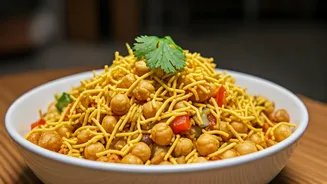
For the uninitiated, chaat isn’t just a single dish; it’s a whole category of savory Indian street food designed to hit every note on your palate. The word ‘chaat’ literally means ‘to lick,’ and that’s exactly what you’ll want to do. At its core, a traditional
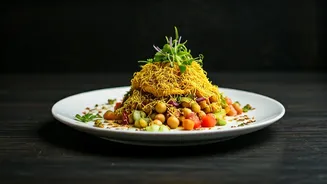
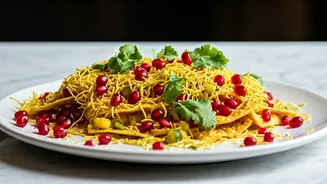
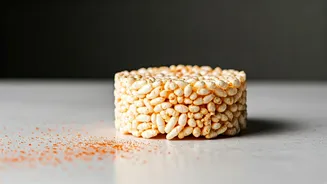
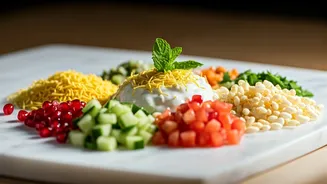
chaat is a glorious, chaotic assembly of textures and flavors. It often starts with a starchy base—crispy fried dough (papdi), puffed rice (bhel), or potato patties (aloo tikki). From there, it’s layered with chickpeas or potatoes, drenched in cool yogurt (dahi), and drizzled with a duo of essential chutneys: a sweet-and-sour tamarind one and a bright, spicy mint-coriander version. A final flourish of crunchy fried chickpea-flour noodles (sev), pomegranate seeds, and fresh cilantro completes the masterpiece. It's a firework of sweet, tangy, spicy, and cool sensations in every single bite, meant to be eaten immediately and with gusto.
Getting the 'Wellness' Makeover
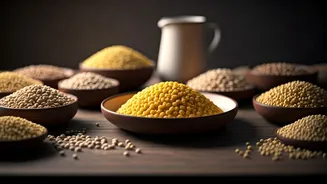
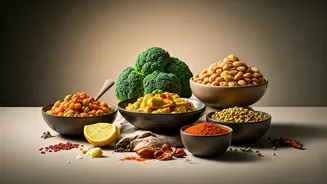
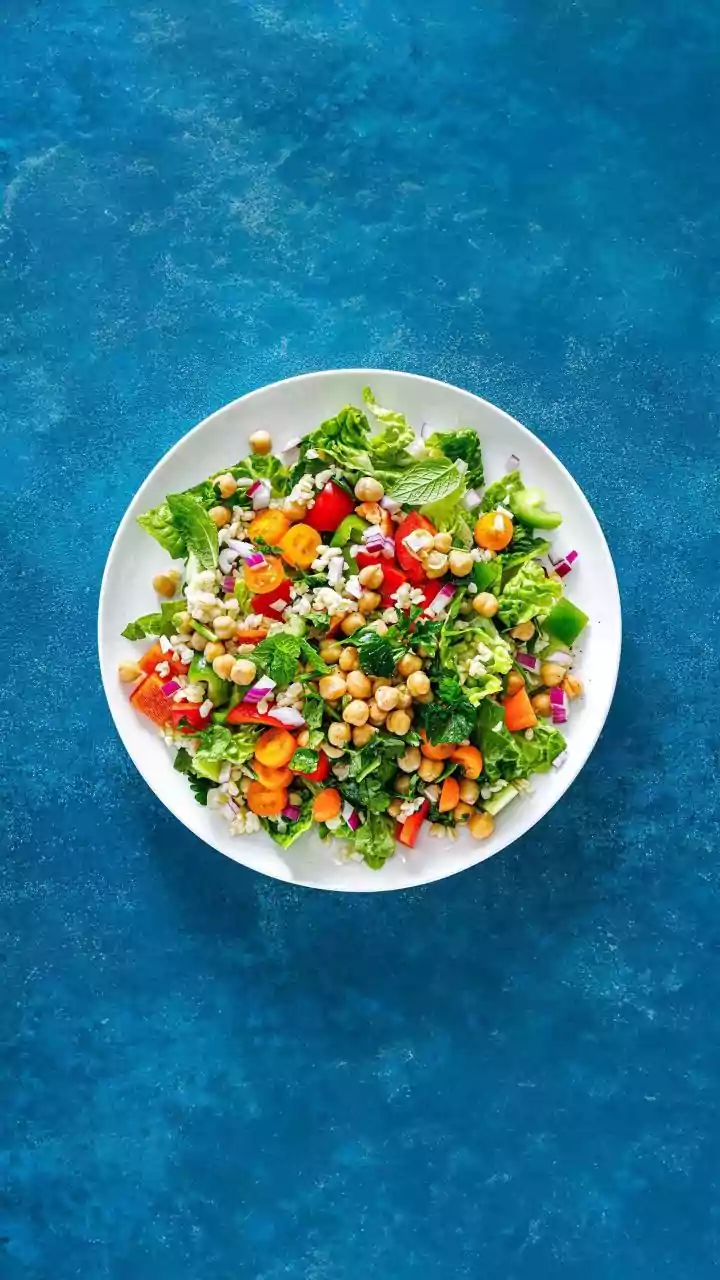
So how did this traditionally indulgent street snack become a darling of the health-conscious set? Through a series of clever, simple swaps that retain the dish's spirit while lightening its profile. The deep-fried elements are the first to go. Crispy papdis are now often baked, not fried, or replaced entirely with whole-grain crackers or even cucumber slices. The potatoes might be swapped for protein-packed sprouted lentils or quinoa. Full-fat yogurt is subbed out for tangy Greek yogurt or a plant-based alternative for a dairy-free boost. The chutneys are made with dates instead of refined sugar, and the salt content is dialed back. The result is often called a 'chaat salad' or 'chaat bowl,' which emphasizes fresh vegetables and herbs over fried carbs, transforming it from a fleeting treat into a viable, nutrient-dense lunch.
From Street Food to Status Snack
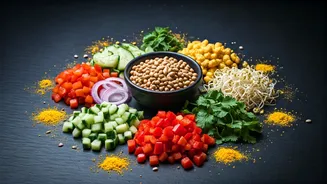
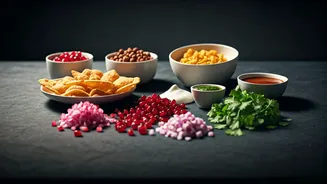
The rise of 'light chaat' is perfectly timed. American palates are more adventurous than ever, and social media has created a visual appetite for global cuisines. Chaat is incredibly photogenic—a vibrant jumble of colors and textures that pops on an Instagram feed. Furthermore, after years of restrictive wellness trends that championed bland, monotonous foods, there’s a collective craving for healthy options that are genuinely exciting to eat. Chaat delivers that excitement in spades. It also taps into another major trend: the shareable board. Move over, charcuterie and butter boards; the 'chaat board' is here. This deconstructed platter allows guests to build their own chaat, choosing from bowls of sprouts, chickpeas, various chutneys, yogurt, and baked crisps. It’s communal, customizable, and a perfect centerpiece for a generation that values experiences as much as flavors.
A Flavor Explosion Without the Guilt?
Nutritionally, this new wave of chaat has a lot going for it. The base of chickpeas and lentils provides plant-based protein and fiber, which promote satiety. The yogurt offers probiotics and more protein, while the mountain of fresh cilantro, mint, onions, and pomegranate seeds delivers vitamins and antioxidants. It’s a far cry from an empty-calorie snack. When prepared mindfully—with baked components and minimal added sugar—a chaat bowl can be a genuinely balanced and wholesome meal. It satisfies the desire for something crunchy, savory, and complex without the heavy feeling that can follow a more traditional, fried version. It’s proof that 'healthy' doesn't have to mean boring and that a dish with deep cultural roots can evolve without losing its soulful identity.