



This Isn't a Re-Run of 2020
Let’s get one thing straight: this comeback isn’t a repeat of the lockdown-fueled fitness frenzy. The first wave was driven by necessity—a frantic scramble to replace closed gyms with whatever YouTube channel or dusty dumbbell set we could find. It was often
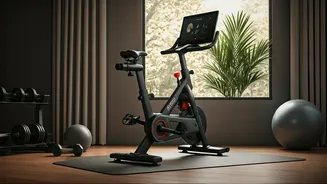
chaotic, isolating, and for many, temporary. When gym doors swung open again, a significant number of people rushed back, craving community, better equipment, and a change of scenery. For a moment, it looked like the home workout revolution was over. But what’s happening now is different. This resurgence is driven by choice, not confinement. People are integrating at-home fitness into their lives more intentionally. It's less about replacing the gym and more about complementing it. The new home workout is smarter, more sustainable, and built to fit into a world that’s permanently more flexible.
The Rise of the Hybrid Athlete
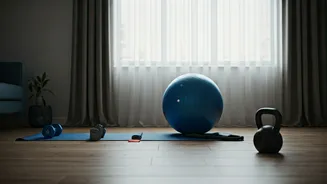
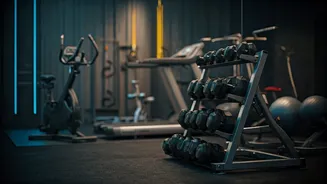
The key driver behind this new wave is the 'hybrid' model. Millions of Americans are no longer choosing between a gym membership *or* a fitness app subscription; they’re choosing both. This isn't a sign of indecision—it's a strategic move for maximum flexibility. Why commute to the gym for a 30-minute core workout when you can do it more effectively at home before your first Zoom meeting? The gym is now reserved for what it does best: heavy lifting, specialized machinery, and the motivational energy of a group class. Meanwhile, home is for convenience. It’s for the quick cardio session on a rainy day, the guided yoga flow to de-stress after work, or the strength-training workout that fits perfectly into a busy parent’s schedule. This approach saves time and money, allowing people to get the best of both worlds without being locked into a single way of exercising. It reflects the broader shift in our work and social lives, where flexibility is no longer a perk but an expectation.
Smarter Tech Makes It Stick
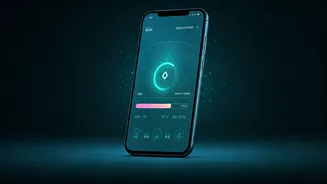
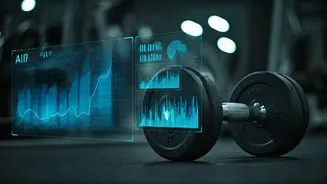
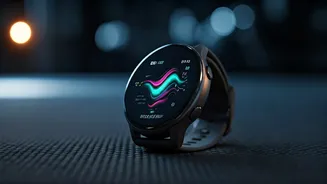
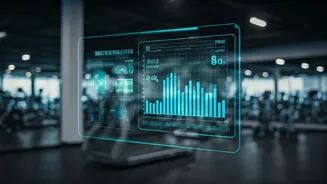
The technology has also grown up. The first generation of home fitness apps were essentially video players for pre-recorded classes. Today’s platforms are far more sophisticated. AI-powered apps use your phone’s camera to provide real-time form feedback, acting like a virtual personal trainer to help you avoid injury and maximize results. Wearable technology, from smartwatches to recovery-tracking rings, integrates seamlessly with these apps, providing a holistic view of your health, from workout intensity to sleep quality. This data-driven approach allows for truly personalized fitness plans that adapt to your progress, energy levels, and goals. Furthermore, gamification—earning badges, hitting streaks, and competing on leaderboards—has made the solo experience feel more connected and motivating. The tech has moved beyond just streaming and into coaching, making home workouts more effective and engaging than ever before.
Beyond Just Cardio and HIIT
Another major factor in the comeback is the diversification of what a 'home workout' even means. While high-intensity interval training (HIIT) dominated the early streaming boom, the current trend embraces a wider, more balanced menu of movement. Low-impact strength training, like Pilates and barre, has exploded in popularity, as it requires minimal equipment and is gentler on the joints. Mobility and flexibility routines, once an afterthought, are now a primary focus for many, seen as essential for desk workers and athletes alike. Guided meditations and sound baths, offered by many of the same fitness apps, are also part of the package, blurring the line between physical and mental wellness. This expanded definition makes at-home fitness more accessible and appealing to a broader audience who may not be interested in burpees and sprints but are seeking sustainable ways to feel good in their bodies.