
The Umami Uprising
The secret to mouth-watering, savory satisfaction isn’t always more fat, salt, or cheese. Increasingly, it’s umami, the fifth basic taste. This deep, earthy, and meaty flavor is being wielded by chefs and home cooks to build incredible complexity into
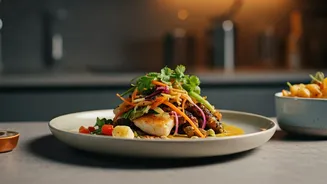
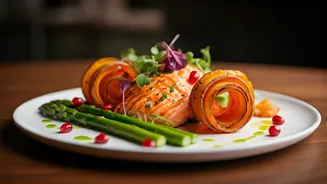
dishes without the traditional calorie load. Think of mushrooms seared until deeply browned, the subtle richness of miso paste swirled into a soup or dressing, or the savory depth of a good tomato paste. These ingredients work by tricking our brains into feeling a sense of fullness and satisfaction. Roasting vegetables like carrots or broccoli until they are slightly charred, or adding a splash of soy sauce or a sprinkle of nutritional yeast, can transform a simple dish into something profoundly flavorful, proving that richness doesn't have to come from a stick of butter.
Spice as the Main Event
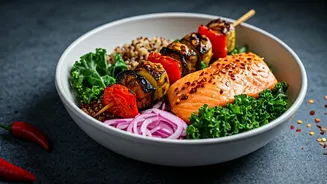
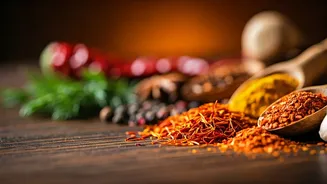
For years, the American spice rack was a dusty afterthought. Not anymore. The modern pursuit of flavor is global, and it’s centered on complex spice blends and condiments that deliver a symphony of sensations. Instead of just adding salt, cooks are reaching for jars of chili crisp for its tingly heat and crunchy texture, za'atar for its nutty and herbal notes, or gochujang for its sweet, spicy, and funky punch. These aren't just about adding heat; they're about adding dimension. A sprinkle of smoked paprika can add a bacon-like richness to vegetables, while a pinch of sumac provides a bright, lemony tang without any citrus. This approach shifts the focus from a heavy base (like cream or oil) to a vibrant, layered finish that excites the palate without weighing down the body.
The Functional Funk of Fermentation
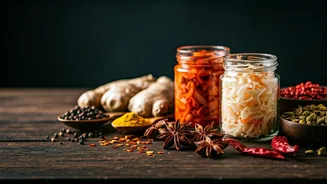
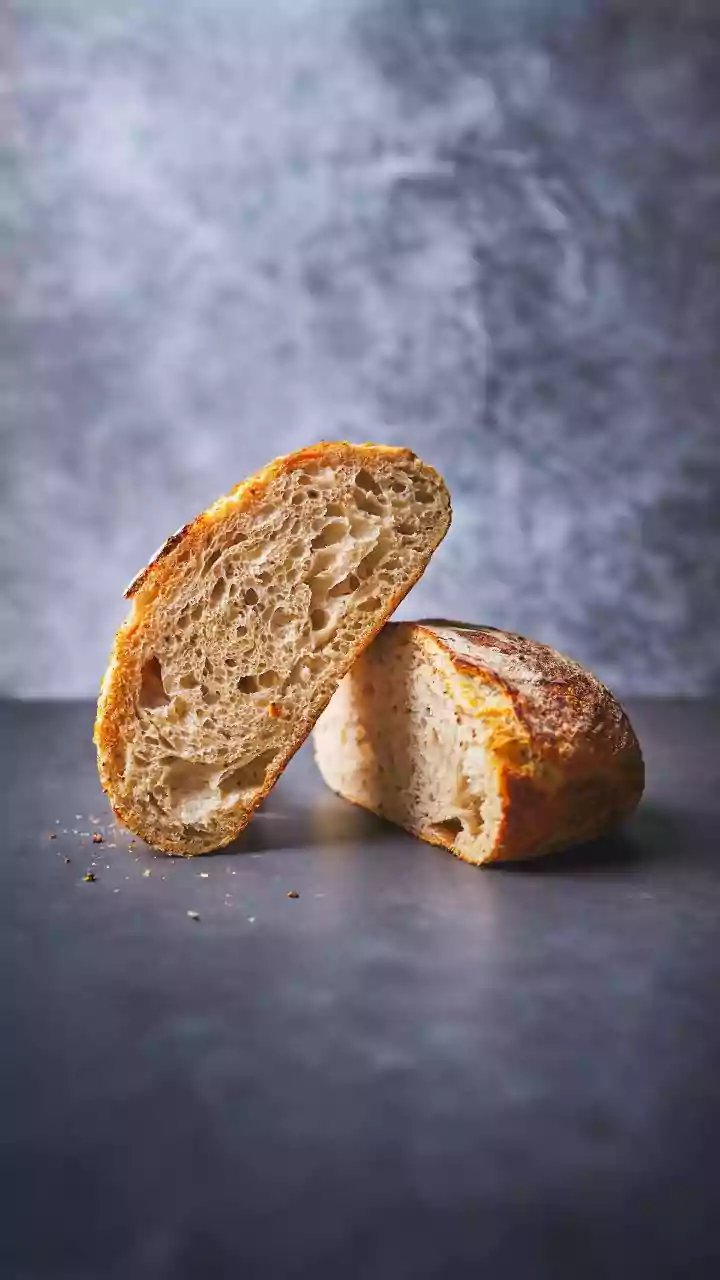
What was once a niche preservation technique is now one of the hottest trends in flavor. Fermentation introduces a tangy, complex funk that can make any dish more interesting. A side of kimchi doesn't just add spice to a bowl of rice; it adds a bubbly, acidic crunch that cuts through richness. A drizzle of kombucha in a marinade can tenderize meat while adding a sweet-and-sour note. Even sourdough bread owes its beloved flavor to the fermentation of wild yeasts. This trend comes with a perceived bonus: gut-healthy probiotics. While the science on how many beneficial bacteria survive the journey to your plate is still developing, there’s no denying the immediate benefit to your taste buds. Fermented foods offer a built-in complexity that makes simple ingredients taste like they’ve been cooking for hours.
Rethinking Liquid Indulgence
The desire for flavor without regret extends beyond the plate. The “sober curious” movement has exploded, fueling a revolution in non-alcoholic beverages. We’re not talking about sad, sugary mocktails anymore. Today’s options are sophisticated, complex, and designed to be savored. Companies are creating zero-proof spirits that mimic the botanical bite of gin or the smoky warmth of whiskey, using ingredients like gentian root, juniper, and lapsang souchong tea. Craft breweries are making genuinely delicious non-alcoholic IPAs, and bars are designing entire drink menus around house-made shrubs (vinegar-based fruit syrups), infused teas, and sparkling botanicals. It’s about preserving the ritual and sensory pleasure of a good drink—the clink of the ice, the beautiful glassware, the complex taste—without the morning-after consequences.
Embracing “Good” Fat
The low-fat craze of the '90s left a long, tasteless shadow, but the modern foodie has learned a crucial lesson: fat is flavor. The key is quality over quantity. The new ideal isn’t to eliminate fat, but to be intentional about it. It’s about choosing fats that bring their own delicious character to the party. Think of the fruity, peppery bite of a high-quality extra virgin olive oil used to finish a dish, not just to cook with. It’s the creamy satisfaction of a perfectly ripe avocado, the rich nuttiness of tahini in a dressing, or the decadent texture of full-fat Greek yogurt. These fats not only add flavor and improve the texture of food, but they also contribute to a feeling of satiety, helping to prevent the overeating that often leads to regret. It’s about using fat as a finishing touch, not a filler.