





More Than Just a Workout
Since its establishment by the United Nations in 2014, the International Day of Yoga on June 21st has grown from a niche wellness observance into a genuine community phenomenon. While the health benefits of yoga are well-documented—improved flexibility,
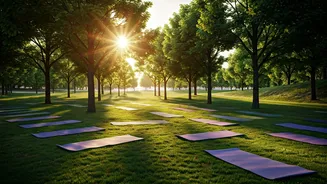
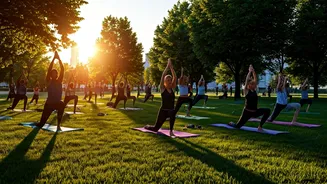
stress reduction, better balance—the story of Yoga Day in the U.S. is less about personal fitness and more about collective connection. In cities from coast to coast, free, open-air events attract crowds that defy simple categorization. You’ll see seasoned yogis practicing next to absolute beginners, teenagers beside retirees, and people from every conceivable background moving in unison. These events aren’t classes in the typical sense; they are invitations. There’s no fee, no registration, and no expectation of perfection. The only requirement is to show up and breathe together.
A Universal Welcome Mat
What makes yoga such a powerful tool for community building? Part of the answer lies in its profound accessibility. Unlike competitive sports or specialized hobbies, yoga meets people where they are. The practice can be modified for any age, body type, or fitness level. A participant in a wheelchair can focus on breathwork and upper-body poses, while a seasoned athlete can push their physical limits. This inherent adaptability removes barriers to entry that often keep communities segregated. Furthermore, the practice itself is non-competitive. In a yoga class, you aren’t trying to beat the person on the mat next to you; you are focused on your own experience. This fosters an atmosphere of mutual support rather than rivalry. By stripping away judgment and competition, Yoga Day creates a rare public space where vulnerability is welcomed and shared experience is the main event.
From Times Square to Town Greens
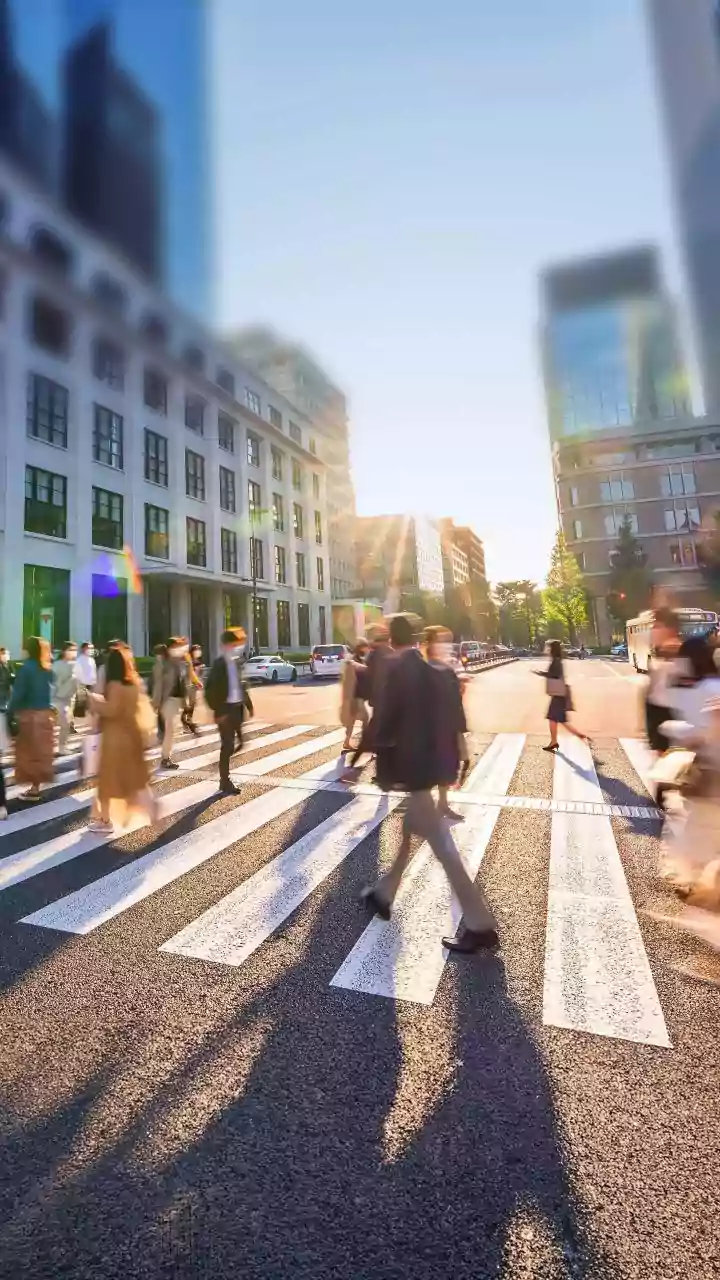
The scale of these gatherings is a testament to their appeal. The most iconic event unfolds annually in New York’s Times Square, where thousands gather for the “Solstice in Times Square: Mind Over Madness Yoga” event. The sight of so many people finding calm in one of the world's most chaotic intersections is a powerful symbol. But the magic of Yoga Day isn’t confined to major metropolises. In hundreds of smaller towns and cities, local studios, community centers, and city governments host their own versions. A local instructor might lead a class of 50 people in a park in Boise, Idaho, or a few hundred might gather on a beach in Santa Monica, California. These smaller events are arguably even more impactful, knitting together the social fabric of a neighborhood. They provide a reason for neighbors who might otherwise never interact to share a positive, peaceful experience.
A Secular Ritual for Modern Times
In an increasingly digital and often divided world, people are hungry for authentic connection. Yoga Day provides a kind of secular ritual that fulfills this need. It offers a moment of shared purpose and mindfulness without dogma or doctrine. While yoga has roots in ancient spiritual traditions, its modern, globalized form has become a practice that transcends cultural and religious lines. For one morning or evening, participants are united not by what they believe, but by what they are doing: breathing, moving, and being present together. This collective pause—a synchronized moment of quiet in the midst of daily noise—can be profoundly restorative, both for the individual and for the community. It’s a reminder that even in a society that often emphasizes differences, the simple act of gathering can be a powerful force for unity.