







More Than Just a Stroll
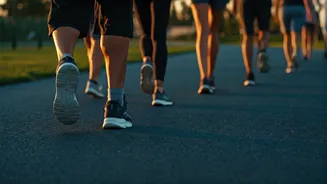
First, let’s be clear: a walking challenge is more than just a casual walk around the block. What makes it a “challenge” is the addition of structure, a specific goal, and often a timeline. It transforms a simple activity into a motivational quest. These
can take many forms: aiming for a certain number of steps per day (the classic 10,000 steps), committing to walk for a set duration (like 30 minutes daily for 30 days), or joining a virtual challenge that tracks your cumulative distance against a real-world route, like hiking the Appalachian Trail or crossing a state from your own neighborhood. The key ingredient is a clear, measurable objective. This structure helps combat the biggest hurdle for many would-be exercisers: a lack of direction. Instead of a vague intention to “be more active,” a challenge provides a concrete target that’s satisfying to hit.
Why Now? The Appeal of Simplicity
The surge in popularity isn't accidental. It’s a perfect storm of accessibility, affordability, and a cultural shift in how we view wellness. After years of being encouraged to pursue high-intensity, often punishing workouts, many Americans are craving something more sustainable and gentle. Walking is the ultimate low-barrier exercise: it's free, requires minimal equipment, and can be done almost anywhere, by people of nearly all fitness levels. This movement gained significant traction in the wake of the pandemic, as people sought safe, outdoor activities that also provided a much-needed mental health break. The habit stuck. Walking offers a rare opportunity to disconnect from screens, get fresh air, and engage with the physical world. In our increasingly digital and sedentary lives, the simple, grounding act of putting one foot in front of the other feels more essential than ever.
The Power of Community and Gamification
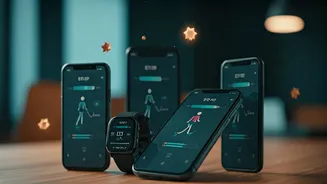
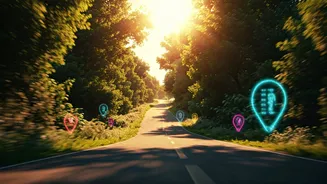
Humans are social creatures, and walking challenges brilliantly tap into our need for connection and friendly competition. Many challenges are powered by apps (from Fitbit and Strava to dedicated platforms like Pacer or Charity Miles) that allow users to share progress, form teams, and cheer each other on. This digital accountability creates a powerful sense of shared purpose. You’re not just walking for yourself; you’re contributing to a team goal or keeping pace with a friend across the country. This social layer is combined with gamification—the use of game-like elements such as badges, leaderboards, and progress maps. Seeing a virtual map fill in as you log miles or earning a digital trophy for a 7-day streak provides a hit of dopamine that keeps you motivated. It turns a routine into an engaging game where the ultimate prize is better health.
Beyond Physical Fitness
While the physical benefits of walking are well-documented—improved cardiovascular health, weight management, stronger bones, and reduced risk of chronic disease—the momentum behind these challenges is also fueled by their profound mental health advantages. A daily walk is a proven stress-reducer, capable of lowering cortisol levels and boosting mood through the release of endorphins. For many, it’s a form of moving meditation. It provides a dedicated time to process thoughts, listen to a podcast or audiobook, or simply be present without the pressure of a to-do list. This mental reset is just as valuable as the calories burned, making walking a holistic wellness practice that nourishes both body and mind.
How to Start Your Own Challenge
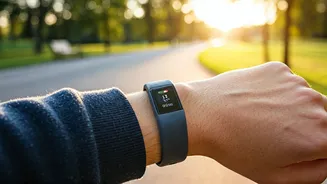
Jumping into a walking challenge is refreshingly straightforward. Start by defining a realistic goal. If you’re new to it, don’t aim for 20,000 steps a day. Maybe start with a goal of walking 20 minutes a day for two weeks. Success breeds motivation. Next, decide how you’ll track your progress. You can use the health app built into your smartphone, a fitness watch, or a simple printable calendar on your fridge. Finally, consider adding a social element. Ask a friend, family member, or coworker to join you. You don’t have to walk together physically; simply checking in via text can provide the accountability you need to stick with it. The best challenge is the one you can sustain, so focus on creating a plan that feels enjoyable, not like a chore.