




1. Apply a Protective Shield
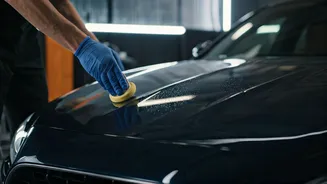
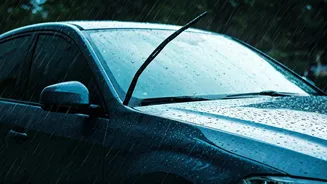
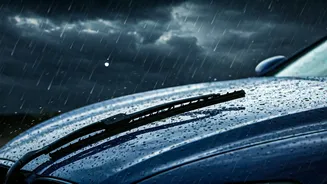
The single best defense for your car's paint is a good layer of protection. Think of it as a raincoat for your car. A quality car wax, paint sealant, or ceramic coating creates a hydrophobic barrier on your clear coat. When rain falls, this barrier causes
water to bead up and roll off, rather than sitting flat on the surface. This is crucial because rainwater isn't pure. It collects pollutants from the atmosphere, creating a mildly acidic mixture that, when left to dry, can etch into your paint and leave permanent water spots. A well-waxed car is not only easier to clean but is also shielded from this chemical assault, preserving its gloss and resale value. Applying wax or sealant every few months is a simple weekend task that pays huge dividends.
2. Inspect Your Wiper Blades
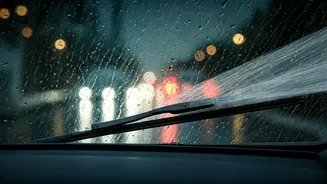
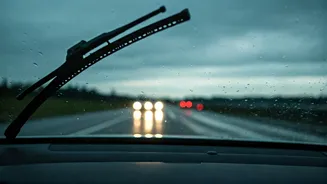
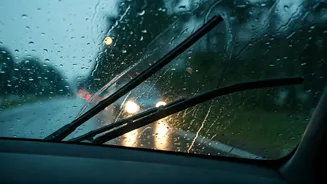
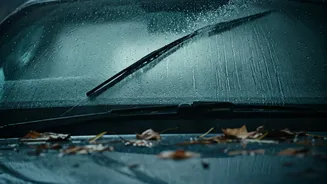
Wiper blades are your first line of defense for visibility in a downpour, yet they are one of the most neglected parts of a car. Old, cracked, or hardened rubber doesn't clear water effectively; it smears it, creating a dangerous glare, especially at night. Before the rainy season starts, inspect your blades for signs of wear and tear. Lift them off the windshield and run your finger along the rubber edge. If it feels brittle or has nicks and tears, it's time for a replacement. You can extend their life by regularly cleaning the blades with a cloth soaked in washer fluid to remove built-up grime. A clear view is non-negotiable for safety, and fresh wipers are an inexpensive and easy upgrade.
3. Check Your Tire Tread and Pressure
Your tires are what connect your car to the road, and their effectiveness is dramatically reduced on wet surfaces. The deep grooves in your tires are designed to channel water away, preventing a dangerous phenomenon called hydroplaning, where the tire essentially floats on a thin layer of water, causing a complete loss of steering and braking control. Use the classic “penny test” to check your tread depth: insert a penny into a groove with Lincoln's head upside down. If you can see the top of his head, your tread is worn and the tires need to be replaced. Also, ensure your tires are inflated to the manufacturer’s recommended PSI (found on a sticker inside the driver’s doorjamb). Properly inflated tires maintain their optimal shape, allowing the tread to work as intended.
4. Treat Your Windshield Glass
For an extra layer of safety and convenience, consider applying a dedicated rain-repellent treatment to your exterior glass. Products like Rain-X create an invisible, super-slick coating on your windshield. At speeds above 35-40 mph, the airflow over the car is often enough to blow raindrops straight off the glass without even needing to use your wipers. This dramatically improves visibility and reduces the stress of driving in heavy rain. The application is simple: you clean the glass thoroughly, apply the liquid with a cloth, let it haze, and buff it off. It’s a small step that makes a massive difference in how confidently and safely you can navigate a storm.
5. Don't Drive Through Standing Water
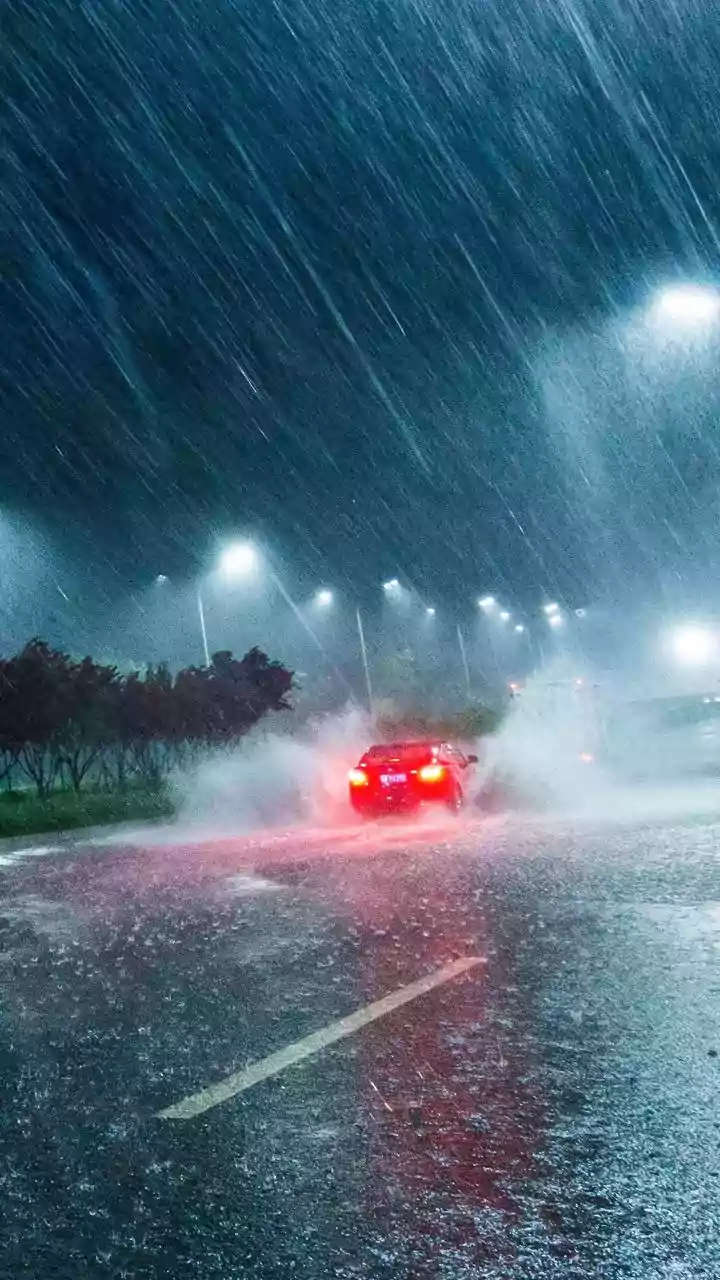
This final tip is less about preparation and more about smart decision-making during the storm itself. It can be tempting to drive through a large puddle or a flooded section of road, but the risks are enormous and often invisible. First, you have no idea how deep the water truly is or if there are hidden hazards like potholes or debris. Second, driving through deep water can force it into your engine’s air intake, causing a catastrophic and expensive failure known as hydrolock. Finally, water can short out critical electrical systems and saturate brake components, temporarily reducing their effectiveness. If you can't see the painted lines on the road, it's too deep. The safest choice is always to turn around and find an alternate route.