


Start with Wood Tones
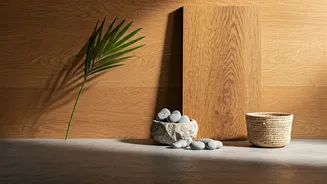
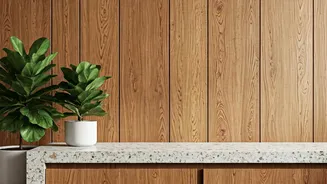
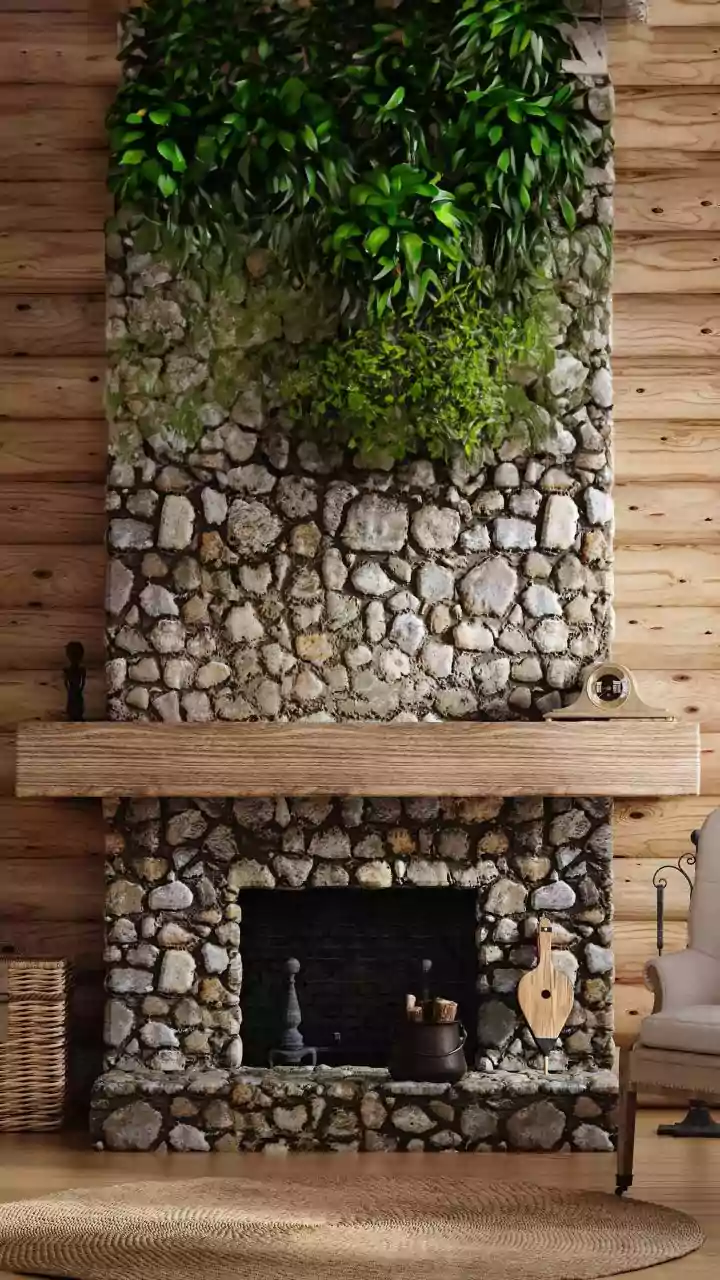
Wood is often the cornerstone of a nature-inspired home. Its grains, textures, and warm tones provide a sense of stability and connection to the outdoors. Studies suggest that the visual presence of wood can lower sympathetic nervous system activity,
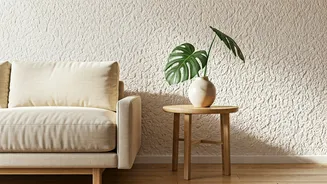
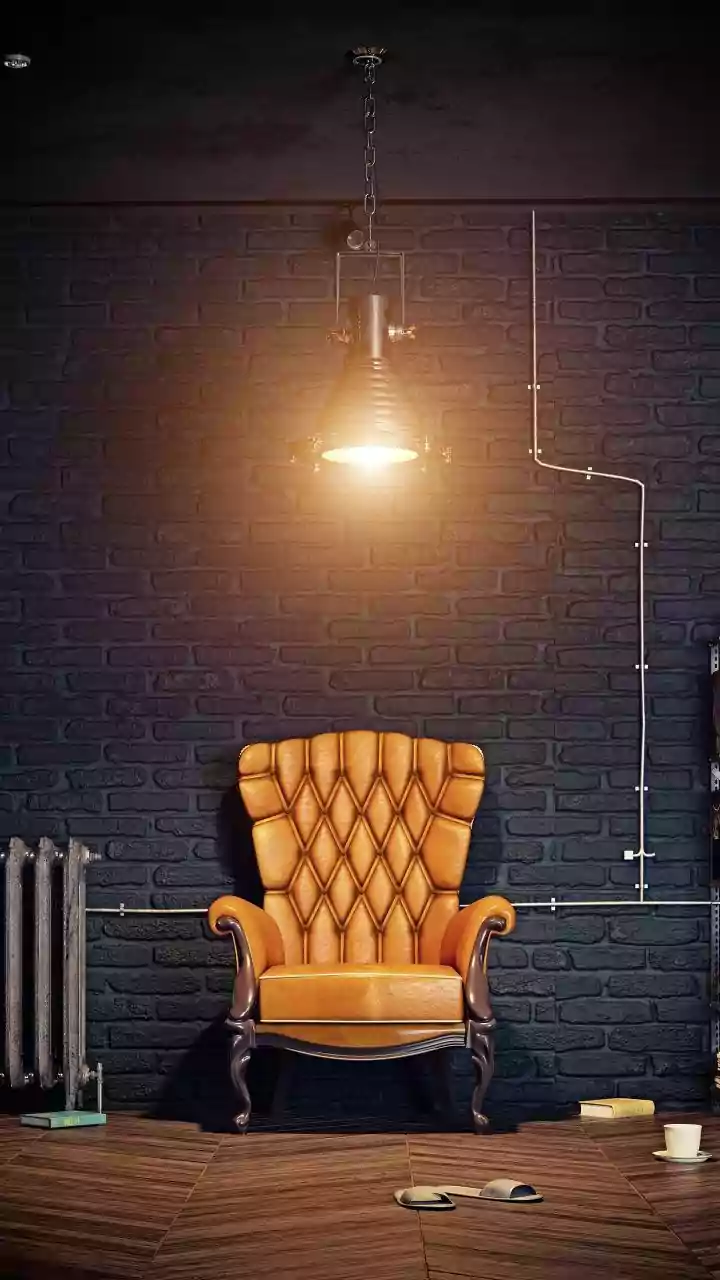
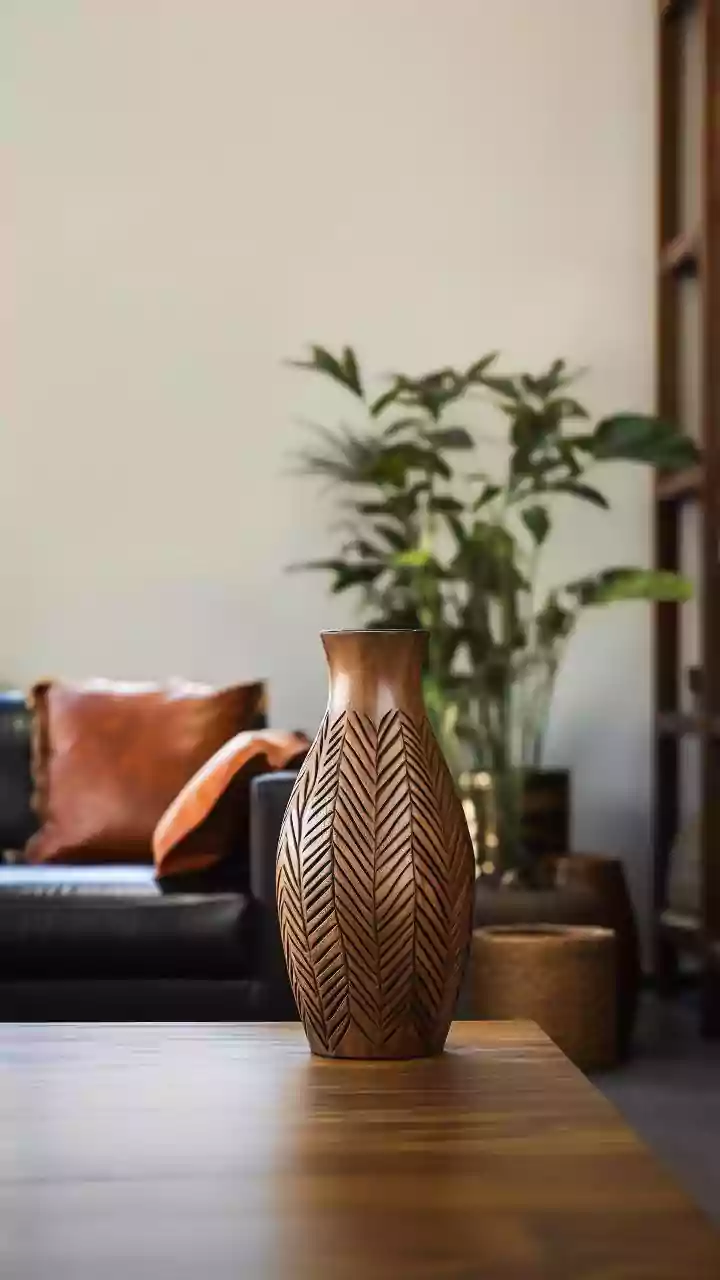
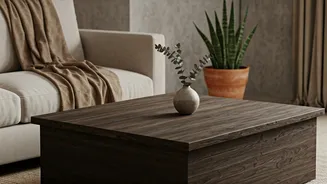
which helps the body relax. You don't need to install hardwood floors to get the benefit. Start small with a beautiful acacia cutting board in the kitchen, a live-edge wooden shelf for your books, or a set of mango wood coasters. When choosing larger furniture, look for pieces that showcase the material itself—like an oak dining table or a walnut-framed armchair—rather than items painted over. The visual complexity of the grain gives our eyes something calming and organic to rest on.
Bring in Living Greenery
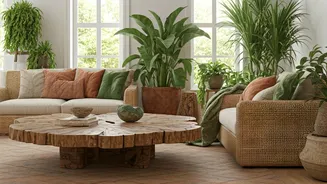
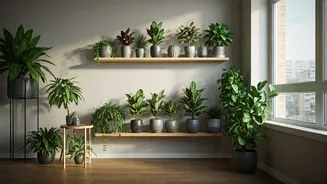
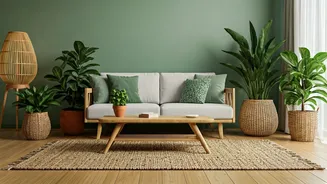
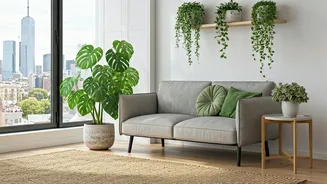
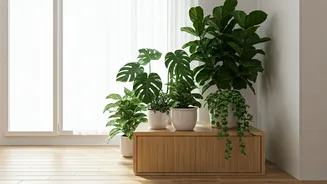
Houseplants are the most literal way to bring nature inside. They are living, breathing additions that purify the air, add vibrant color, and have been shown to improve mood and reduce stress. Caring for them also introduces a gentle, mindful routine into your day. If you’re a beginner, start with low-maintenance options like snake plants, ZZ plants, or pothos, which thrive in a variety of light conditions and tolerate occasional neglect. For a bigger impact, group several plants of different heights and leaf shapes together to create a lush corner that mimics a natural landscape. Hanging planters are another great way to add vertical greenery without taking up floor space.
Embrace Natural Textiles
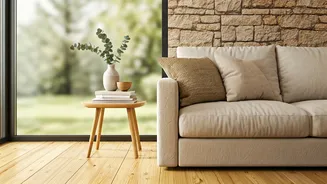
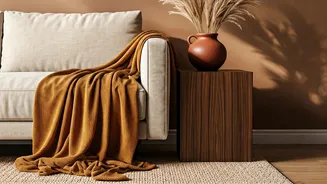
Swap out synthetic fabrics for natural ones to enhance the tactile comfort of your home. Materials like linen, cotton, wool, and jute have an inherent texture and imperfection that feels more organic and grounding than polyester or acrylic. Think of a chunky wool throw blanket on the sofa, breathable linen curtains that softly filter sunlight, or a woven jute rug that adds earthy texture underfoot. These materials not only feel good to the touch but also add visual warmth and softness to a room, counteracting the hard surfaces of walls and floors. They help absorb sound, making your space quieter and more serene.
Incorporate Stone and Earthenware
Stone, ceramic, and terracotta connect us to the earth in a fundamental way. These materials bring a sense of coolness, permanence, and raw beauty. You can introduce them through a marble tray on your coffee table, a slate cheeseboard, or travertine coasters. Terracotta planters are a classic for a reason—their rustic, reddish-brown hue pairs perfectly with green foliage and ages beautifully over time. In the kitchen or bathroom, consider a soapstone dish or a simple ceramic vase. These elements provide a cool, smooth contrast to the warmth of wood and the softness of textiles, creating a balanced and harmonious sensory experience.
Maximize Natural Light
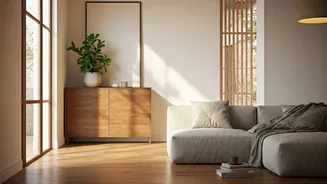
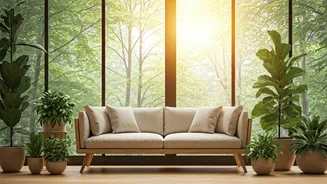
While not a material you can buy, natural light is a critical element of a stress-reducing home. It regulates our circadian rhythms, boosts vitamin D, and improves our overall mood. The goal is to let in as much as possible. Replace heavy, dark drapes with sheer linen curtains or simple blinds that you can easily open. If privacy is a concern, top-down/bottom-up shades are an excellent solution. Strategically placing a large mirror opposite a window can also work wonders, bouncing light around the room and making the space feel larger and brighter. Keep windowsills clear to avoid blocking any precious morning or afternoon sun.
Engage the Other Senses
A truly anti-stress environment engages more than just sight and touch. Consider the sounds and scents of nature. A small tabletop water fountain can provide the calming sound of trickling water, masking ambient noise. For scent, avoid artificial air fresheners and opt for natural sources. An essential oil diffuser with scents like lavender, sandalwood, or pine can promote relaxation. Fresh flowers, a bundle of eucalyptus hanging in the shower, or even just opening the windows to let in fresh air can complete the transformation, making your home a fully immersive natural retreat.