




The Rise of the 'Health Halo'
First, let’s talk about protein’s public relations. In the world of nutrition, different macronutrients have their moment in the sun. The 90s were famously the era of low-fat everything, followed by a long and complicated war on carbs. Right now, protein is
wearing the crown. It has developed a powerful 'health halo,' a cognitive shortcut where consumers perceive a food as being generally healthy simply because it boasts one particular positive attribute. For marketers, this is gold. When a parent is scanning an ingredient list, stressed and short on time, the word 'protein' acts as a beacon of virtue. It signals satiety (keeping kids full longer), muscle-building (for active little bodies), and a general sense of 'real food' compared to sugary, 'empty calorie' alternatives. Brands know that if they lead with protein, many parents will feel they’re making a responsible choice, often without looking much further.
Tapping into Parental Anxiety
Modern parenting is a masterclass in anxiety management. From screen time to school performance, the pressure to optimize childhood is immense, and nowhere is this more acute than at the dinner table. Marketers are keenly aware of this. They aren't just selling a snack; they are selling a solution to a specific parental fear. Is your child a picky eater who subsists on three specific beige foods? A high-protein yogurt pouch becomes a secret weapon for getting nutrients into them. Is your kid constantly demanding snacks after school? A protein bar promises to be more 'filling' and 'fueling' than a bag of chips. These products are framed as a tool for control in the chaotic world of feeding children. The messaging implies that by choosing their product, you are being a proactive, diligent parent who is ensuring their child gets the best possible start, one protein-packed bite at a time.
The Unbeatable Power of Convenience
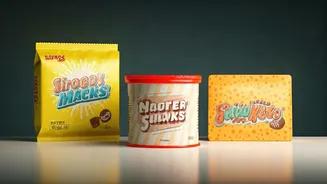
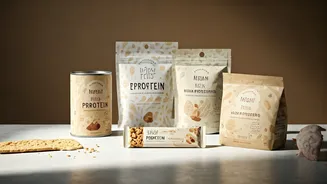
Ultimately, the protein trend couldn't succeed if it weren't ridiculously convenient. The products being marketed—bars, jerky sticks, single-serve cheese packs, drinkable yogurts—are perfectly designed for the grab-and-go reality of family life. They don't require refrigeration (often), preparation, or even a plate. They can be thrown into a diaper bag, a backpack, or the glove compartment for a post-soccer practice emergency. This marriage of a perceived health benefit (protein) with a practical, real-world solution (convenience) is the killer combination. A parent might feel a pang of guilt handing over a fruit snack roll-up, but a 'protein ball' or a small beef stick feels like a win. It solves the immediate problem of a hungry, whining child while simultaneously checking the box of 'responsible feeding.' This fusion of practicality and virtue is the core of the marketing strategy.
A Quick Reality Check
So, is all this extra protein necessary? For most children in the U.S., the answer is no. According to the American Academy of Pediatrics and other health organizations, protein deficiency is very rare in American kids. The majority already get more than enough protein through a reasonably balanced diet of milk, meat, eggs, beans, and cheese. While protein is an essential nutrient, the marketing blitz can create a perception of need that doesn't quite align with nutritional science. Many of these heavily marketed 'high protein' kids' snacks can also be high in sugar, sodium, or saturated fat, hiding behind the 'health halo' of their protein content. The trend isn't necessarily harmful, but it capitalizes on a manufactured concern. The real genius is in making parents feel like they are solving a problem that, for most of them, didn't exist in the first place.