



A Crisis of Confidence in Food
For many urbanites in the U.S., the farmers' market is a choice. For many in Delhi, the search for clean food feels like a necessity. Concerns over the food supply chain are a primary driver of this trend. Residents worry about the heavy use of pesticides
and chemical fertilizers in commercially grown produce. Long and often inefficient supply chains mean vegetables can travel for days, losing nutritional value and freshness by the time they reach city markets. Furthermore, reports of produce being grown with contaminated river water or near heavily polluted industrial sites have eroded public trust. For a growing number of middle-class families living in high-rises, the only way to be certain about what they’re eating is to grow it themselves. This isn’t about boutique organic preferences; it’s a direct response to a perceived health risk.
Hydroponics: A High-Rise Solution
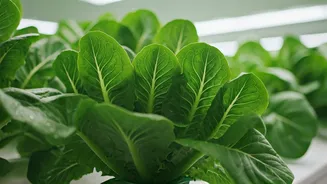
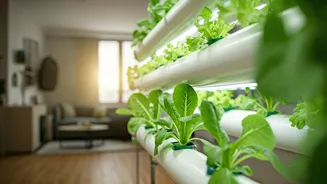
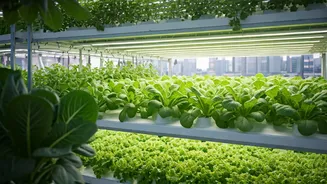
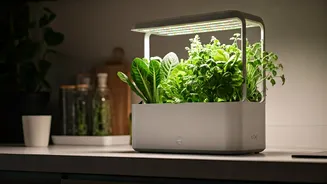
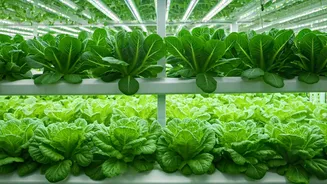
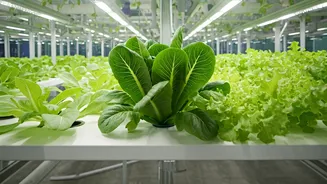
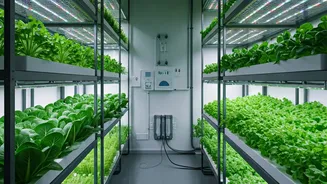
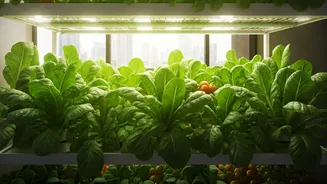
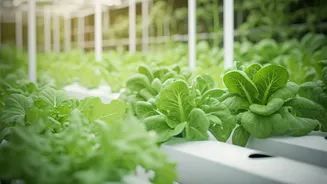
You can’t just start a traditional farm on the 14th-floor balcony of a concrete tower. This is where hydroponics comes in. At its simplest, hydroponics is the method of growing plants without soil, using mineral nutrient solutions dissolved in water. For a city like Delhi, this technology is a game-changer for several reasons. First, it’s incredibly space-efficient. Vertical hydroponic systems can grow dozens of plants in a few square feet of floor space, making them perfect for small balconies and terraces. Second, it’s water-wise. In a city facing recurring water shortages, hydroponic systems can use up to 90% less water than traditional soil farming, as the water is recirculated. Finally, it’s clean. With no soil, there are no soil-borne pests or diseases, reducing the need for pesticides and ensuring a controlled, clean growing environment away from the city's ground-level pollution.
From Hobby to Collective Power
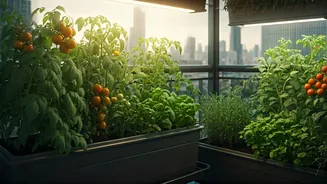
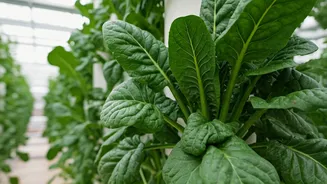
While an individual hydroponic setup is useful, the real innovation is happening at the community level. High-rise residents are pooling their resources to form crop-sharing collectives. The logic is simple and powerful. The initial setup cost for a robust hydroponic system can be a barrier for a single family. By forming a collective, a dozen families in an apartment building can split the cost, making it far more affordable. They also share the labor, with different members taking turns managing the system—checking pH levels, refilling nutrients, and harvesting. Most importantly, they share the bounty. One system might be dedicated to leafy greens like lettuce and spinach, another to herbs like basil and mint, and a third to fruiting plants like tomatoes and peppers. This diversification ensures that all members of the collective get a variety of fresh produce every week, far more than any single family could grow on their own.
More Than Just Vegetables
The benefits of these collectives extend far beyond the dinner plate. In the often anonymous and transient world of a massive urban apartment complex, these shared gardens have become the new community square. They foster social bonds between neighbors who might otherwise never interact beyond a brief nod in the elevator. The shared project of nurturing life creates a powerful sense of community and collective purpose. For children, it's a living science lesson, connecting them to their food source in a way that feels impossible in a dense city. For adults, it’s a form of therapy—a green, calming oasis amid the noise and stress of urban life. The collectives are rebuilding not just a food system, but a sense of neighborhood and belonging that is often lost in modern city living.