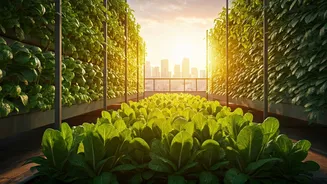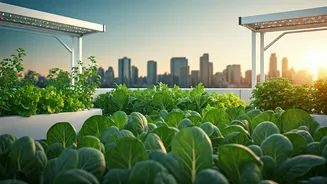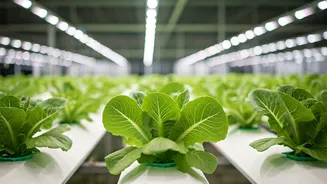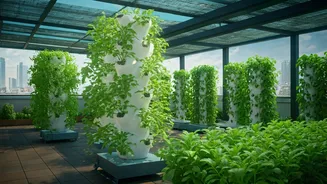







What the Role Actually Entails
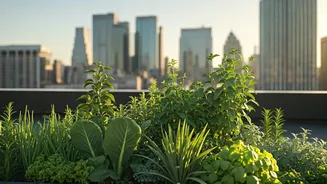
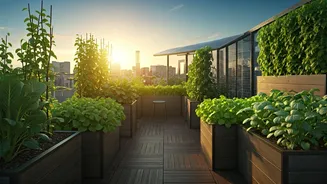
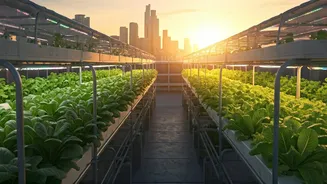
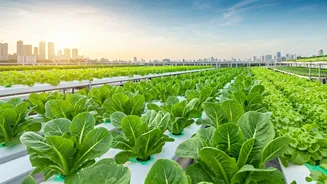
A hydroponic system designer for commercial roofs is a unique blend of architect, farmer, engineer, and business strategist. The core of the job isn't just knowing how to grow plants without soil; it's about designing and integrating complex agricultural
systems into an existing urban environment. On any given project, you might be analyzing a roof's load-bearing capacity, designing a nutrient delivery system that complies with water usage regulations, selecting crops based on local market demand, and creating a financial model that proves the project's return on investment to a building owner. It’s a problem-solving role that requires balancing the needs of the plants, the limitations of the building, and the financial goals of the client.
Building Your Core Skillset
The term "certified" in this field is less about a single, universal credential and more about demonstrating a portfolio of proven skills. Aspiring designers should focus on building expertise in three key areas. First is horticulture and plant science: you must understand plant physiology, nutrient requirements, pest management, and the specific needs of various crops in a controlled environment. Second is engineering and systems design: this includes knowledge of fluid dynamics, plumbing, electrical systems, structural integrity, and automation (HVAC, lighting controls). Third is business acumen: you need to understand project management, supply chain logistics, local zoning laws, and how to create a compelling business case for a multi-million dollar installation. Mastery across these three domains is what truly makes you a qualified professional.
Educational and Training Pathways
There are several routes to acquiring the necessary knowledge. A formal degree in horticulture, agricultural engineering, or environmental science provides a strong foundation. Many universities, like the University of Arizona's Controlled Environment Agriculture Center or Cornell's program, offer specialized courses and certificates in hydroponics and controlled environment agriculture. These academic programs give you the theoretical and scientific backing required for complex designs. Beyond formal degrees, look for intensive workshops and online courses from reputable agricultural extensions or industry leaders. The goal is to layer practical, system-specific training on top of a solid scientific understanding.
Why Hands-On Experience Is Non-Negotiable
No amount of classroom learning can replace the experience of working with a real, functioning hydroponic system. Theory is clean; reality involves leaks, algae, power outages, and unexpected pest pressures. Seek out internships or entry-level jobs at existing vertical farms, commercial greenhouses, or urban farming operations. Even volunteering can be invaluable. This hands-on work teaches you the practical realities of system maintenance, troubleshooting, and daily operations. It also allows you to build a professional network and see how different design choices play out in the real world. Many successful designers start as growers or technicians, learning the systems from the ground up before they begin designing them for others.
Mastering the Commercial Aspect
Designing for a hobbyist’s garage is fundamentally different from designing for a commercial skyscraper. To succeed, you must learn to speak the language of commercial real estate developers, property managers, and investors. This means understanding their priorities: maximizing usable space, ensuring tenant safety, and achieving a clear return on investment. You'll need to work with structural engineers to confirm roof viability, with lawyers to navigate permitting, and with accountants to project crop yields and revenue. A successful commercial design isn't just one that grows plants well—it's one that is safe, legal, profitable, and seamlessly integrated into the building's operations and financial strategy.