

What Is a 'Softer' Itinerary?
At its heart, a bloom getaway is a trip planned around a specific floral event: cherry blossoms in Washington, D.C., lavender fields in Provence, or a wild 'superbloom' in the California desert. But the 'softer itinerary' is the real star. Instead of rushing
from museum to monument, your schedule is dictated by nature. The goal isn’t to 'do' everything, but to experience one thing deeply. You might spend an entire afternoon simply sitting in a field of flowers, picnicking under blossoming trees, or taking a slow walk through a botanical garden at peak season. It’s a deliberate move away from the pressure of hyper-optimized tourism and toward a more mindful, sensory-driven experience. The destination is less a checklist of sights and more a single, immersive environment. This approach prioritizes presence over productivity, allowing travelers to truly unplug and connect with the rhythm of the natural world.
Why We're Following the Flowers
The rise of bloom-centric travel isn't surprising. After years of digital saturation and high-stress living, there's a collective craving for tangible, real-world beauty. These trips offer a perfect antidote to screen fatigue. Flowers are inherently ephemeral; you can't binge-watch a cherry blossom festival or save a superbloom for later. This fleeting quality encourages us to be present and appreciate the moment. Of course, the aesthetic appeal is undeniable. These landscapes are incredibly photogenic, making them a natural fit for social media. But unlike other 'Instagrammable' spots that can feel staged, the appeal of a massive bloom is its untamed, overwhelming scale. It’s a spectacle that feels both personal and universal. Travel experts note this shift reflects a broader desire for authenticity and connection—not just with a place, but with its seasonal cycles. It’s a reminder that the world operates on a timeline far older and more beautiful than our own packed calendars.
The Classic: Chasing Cherry Blossoms
The quintessential bloom getaway is the pursuit of cherry blossoms, or 'sakura.' While Japan is the epicenter of this tradition, you don’t need a passport to participate. Washington, D.C.'s National Cherry Blossom Festival is a world-famous event, drawing massive crowds to see the thousands of trees gifted from Japan bloom around the Tidal Basin. For a slightly less crowded experience, consider the Brooklyn Botanic Garden in New York City or Branch Brook Park in Newark, New Jersey, which boasts the largest collection of Japanese cherry trees in the U.S. The key to a successful cherry blossom trip is flexibility. Peak bloom can shift based on weather, so it’s best to plan a travel window of a few days to a week.
The Fragrant Escape: Lavender and Sunflowers
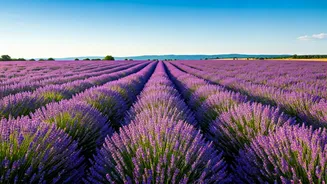
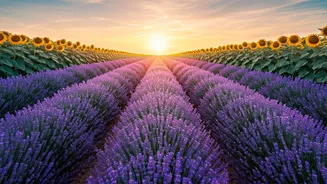
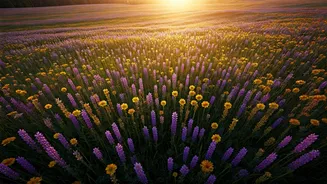
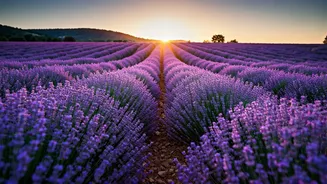
For a trip that engages the sense of smell as much as sight, nothing beats a field of lavender. While the south of France is the dream destination, stunning lavender farms have sprouted up across the United States. From the Texas Hill Country to Oregon’s Willamette Valley and Sequim, Washington—the self-proclaimed 'Lavender Capital of North America'—you can find fragrant purple fields from June to August. Many farms host festivals and offer 'U-pick' experiences. Similarly, sunflower fields offer a burst of pure joy. In late summer, massive fields in states like North Dakota, Kansas, and even Maryland become seas of gold, providing a stunning backdrop for a day trip or a slow-paced weekend drive.
The Wild Spectacle: American Superblooms
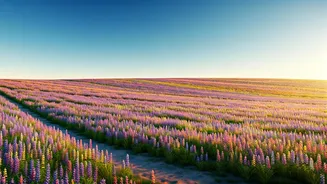
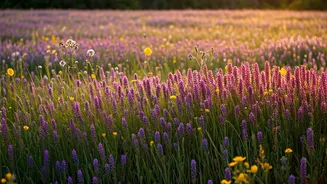
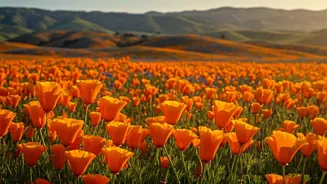
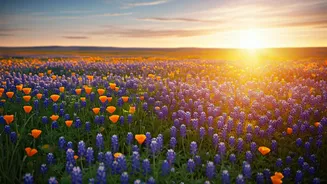
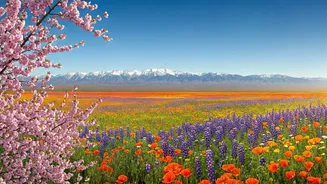
Perhaps the most dramatic bloom getaway is the chase for a 'superbloom.' This rare phenomenon occurs when a wet winter season leads to an explosion of wildflowers in arid landscapes, carpeting deserts in vibrant color. Places like Anza-Borrego Desert State Park and Death Valley National Park in California are famous for these events, though they don't happen every year. The unpredictability is part of the magic. Planning requires monitoring rainfall patterns and park reports, often with little notice. A superbloom trip is the ultimate 'soft itinerary,' as the exact location and timing are entirely up to nature. It’s a powerful reminder of the resilience and surprising beauty of the American wilderness.