







The City of Nawabs and Kings of Fruit
Lucknow, the historic capital of Uttar Pradesh, has long been known as the 'City of Nawabs.' Its reputation is built on a foundation of exquisite Mughal-era architecture, a famously polite culture, and a culinary scene rich with complex kebabs and fragrant
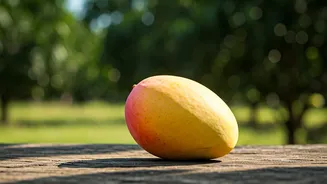
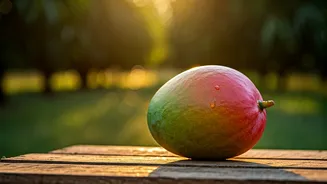
biryanis. For centuries, visitors have come to wander through the sprawling Bara Imambara or admire the Turkish-style gates of Rumi Darwaza. But just outside the city limits, in a dusty, fertile region known as the Malihabad mango belt, a different kind of royalty holds sway: the Dussehri mango. This is not just any fruit. The Dussehri is a 'King of Mangoes,' a slender, intensely sweet, and fiberless variety so prized it has earned a Geographical Indication (GI) tag, akin to Champagne in France or Parmesan in Italy. For generations, these mangoes were simply a celebrated agricultural export. Today, they are the centerpiece of a burgeoning agri-tourism movement that’s redefining a trip to this classic Indian city.
An Orchard Experience Beyond the Fruit Stand
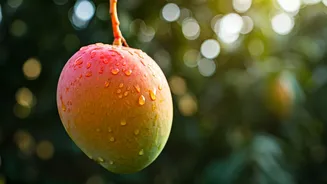
The shift is from merely buying the fruit to experiencing its origin story. Instead of haggling at a market, travelers are now paying for guided 'mango tours' that take them deep into the heart of sprawling, centuries-old orchards. Here, the experience is immersive and sensory. Visitors walk under canopies of broad-leafed trees, some of which were planted by the ancestors of the very farmers leading the tours. These excursions typically involve more than a simple stroll. Orchard owners, many of whom are part of dynasties of 'mango men,' guide guests through the art of spotting a perfectly ripe fruit. They explain the delicate science of grafting, a technique that has allowed them to cultivate hundreds of varieties on a single estate. The highlight for many is the tasting session: a platter laden with freshly picked mangoes, from the famous Dussehri to rarer local jewels like Chausa, Langra, and Safeda. It’s a farm-to-table journey measured in feet, not miles, offering a level of freshness that’s impossible to replicate.
Meet the Keepers of the Mango Legacy
This transformation isn’t a government-led initiative but a grassroots movement driven by the orchardists themselves. Families in Malihabad have been cultivating mangoes for over 200 years. Faced with rising operational costs and the lure of selling their valuable land to developers, many are turning to tourism as a way to preserve their heritage and make it economically viable. By opening their gates, they become storytellers. They share tales of how the first Dussehri tree, now a 300-year-old local landmark, came to be. They speak of their fathers and grandfathers who perfected cultivation techniques, winning awards from British viceroys and Indian presidents alike. This personal connection elevates the tour from a simple agricultural visit to a living history lesson. It provides an authentic cultural exchange, where visitors see firsthand the pride and passion that go into producing one of India’s most beloved fruits.
A Sweeter, More Sustainable Story
For Lucknow, this trend offers a compelling new dimension to its tourism portfolio. It diversifies the city’s attractions beyond its urban historical core, drawing in travelers interested in sustainable, experiential journeys. It also provides a vital secondary income for farming communities, incentivizing them to protect the green belt that surrounds the rapidly growing city. This isn't just about nostalgia; it’s a modern, savvy business model. By creating a premium experience—complete with curated tastings, historical narratives, and even gourmet lunches served under the trees—these farmers are capturing more of the value chain. They are no longer just commodity producers but hosts and cultural ambassadors. For the American traveler looking for an authentic slice of India, one that’s off the beaten path of the Golden Triangle, a day spent in a Lucknow mango orchard offers exactly that: a taste of the real India, one sweet, sun-warmed bite at a time.