






The Allure of the Empty Oasis
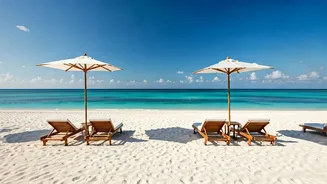
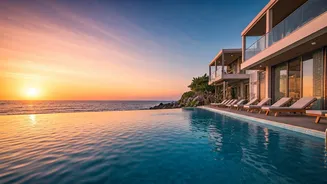
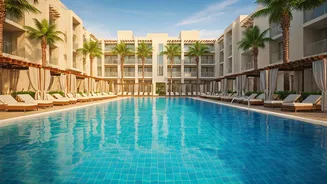
The core appeal of a low-occupancy resort is the feeling of having a multi-million-dollar property all to yourself. That initial walk onto the pool deck, where rows of pristine lounge chairs sit empty under the sun, is a unique thrill. The usual vacation
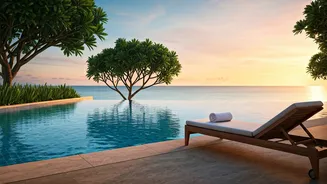
soundtrack—splashing kids, loud conversations, music from competing portable speakers—is replaced by quiet tranquility. For travelers seeking genuine rest and relaxation, this can be the ultimate luxury. It transforms a standard vacation into a private-feeling retreat, offering a level of peace that money can’t typically buy during peak season. You get the best seat at the pool, the prime table at the restaurant, and unobstructed views without having to wake up at dawn to claim your spot. This serene environment is a powerful draw for couples, solo travelers, and anyone looking to truly disconnect from the bustle of daily life.
Beyond Quiet: The Unexpected Perks
The benefits extend far beyond simple peace and quiet. When a resort is running at 20-30% capacity, the staff-to-guest ratio skyrockets. Bartenders have time to chat and craft the perfect cocktail. Waitstaff remember your name and your coffee order. The concierge might offer more personalized, off-the-beaten-path recommendations because they aren't overwhelmed. This can lead to a level of service that feels incredibly bespoke and attentive. Furthermore, with fewer people around, you have the freedom to explore. You can take photos of the architecture or landscape without a stranger wandering into the frame. You can use the gym equipment without waiting, get a last-minute spa appointment with ease, and never have to circle the parking lot. For many, this frictionless experience is the real definition of a luxury vacation—not the opulence of the resort, but the absence of everyday hassles.
The Ghost Town Trade-Off
However, the private resort experience comes with significant trade-offs that are rarely advertised. To save on operational costs during slow periods, management often scales back services. Of the resort’s five restaurants, only one or two might be open, often with a limited menu. The vibrant swim-up bar might be closed entirely, forcing you to dry off and walk to the lobby bar for a drink. Entertainment, like live music or nightly shows, is often canceled. The 'vibe' can also suffer. Part of the fun of a resort is the energy of other happy vacationers. An empty resort can sometimes feel eerie or dull, especially in the evenings. For social travelers who enjoy meeting new people or those with kids who want to make friends, a ghost town resort can be a major disappointment. It’s a vacation paradox: you get the space you crave, but you might lose the amenities and atmosphere you paid for.
How to Find Your Private Paradise
If the pros outweigh the cons for you, there are smart ways to chase this quiet-resort high. First, master the art of the 'shoulder season.' This is the period just before or after the high season. For the Caribbean and Mexico, think late April, May, or early December (after Thanksgiving but before Christmas). For European beach destinations, aim for May or late September. Weather is often still excellent, but crowds have thinned dramatically. Second, consider a brand-new resort. In their first few months, even the most hyped properties are working to build occupancy and may offer great deals for a less-crowded stay. Finally, do your homework before booking. Don’t be afraid to call the resort directly. Ask the front desk or concierge about their projected occupancy for your dates and, crucially, which restaurants, pools, and amenities will be fully operational. Their answers will tell you whether you’re booking a private paradise or a disappointing shell of a resort.