



The World Turned Upside Down
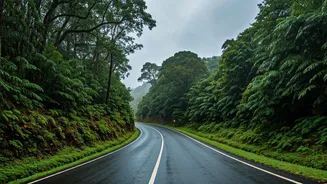
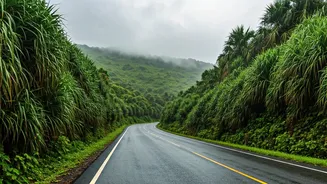
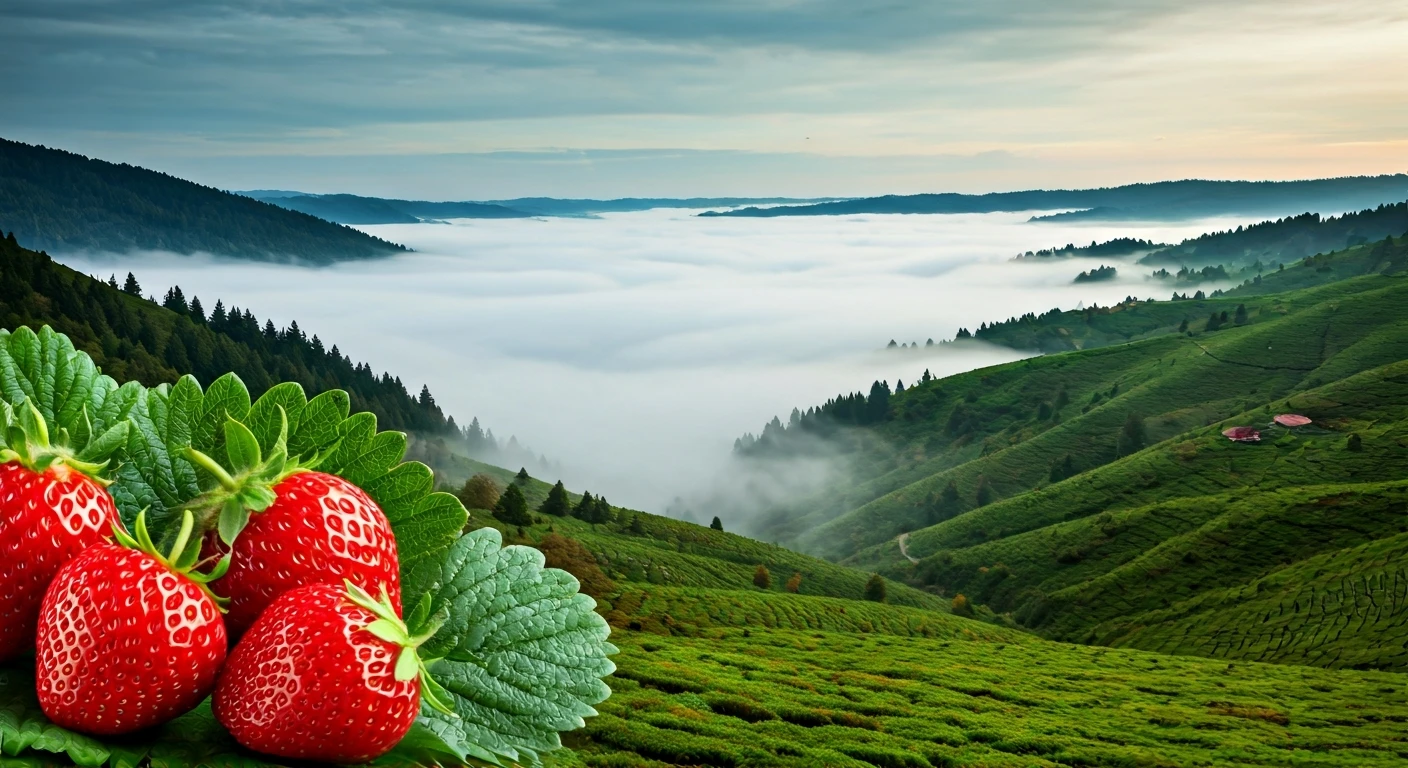
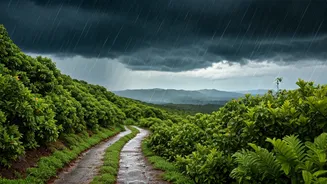
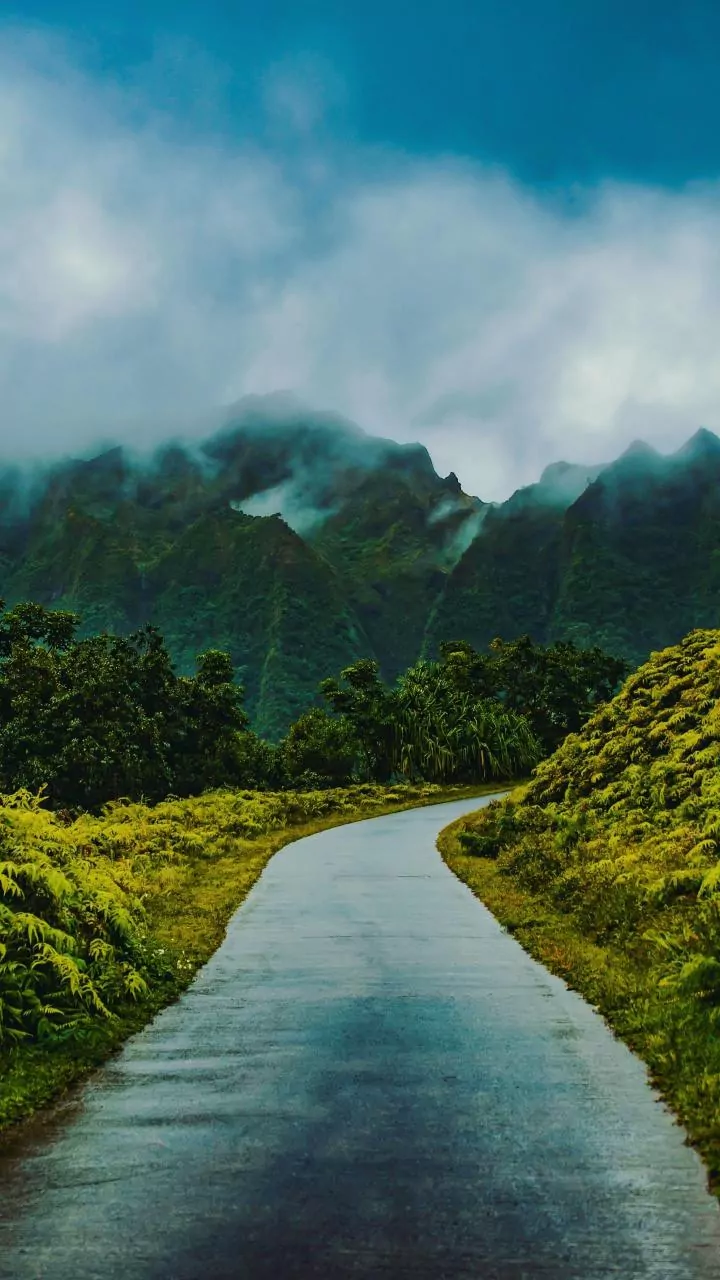
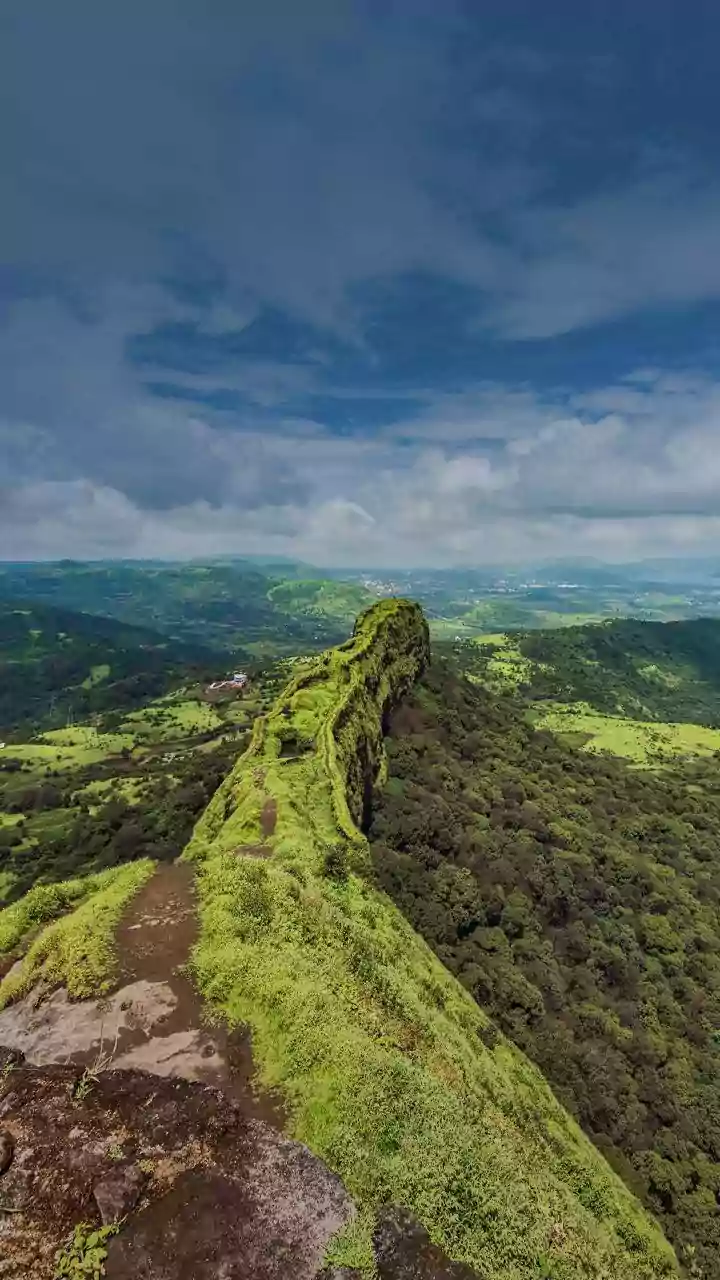
Imagine a landscape baked brown by months of intense heat, suddenly and violently brought to life. That's the magic of the Indian monsoon, which sweeps over Maharashtra from roughly June to September. The Western Ghats, a mountain range that forms the state's
backbone, transforms into a scene of almost supernatural vibrancy. Dust turns to emerald moss, dormant seeds explode into lush carpets of green, and the air, once heavy with heat, becomes cool and misty. For locals, this isn't just a weather event; it's a spiritual and agricultural rebirth. For a traveler, it’s a chance to see a part of the world at its most dramatic and beautiful, but only if you arrive prepared.
Rule #1: Reframe Your Goal
A successful monsoon getaway plan starts with a mental shift. You are not there to 'beat the rain' or find a pocket of sunshine. You are there to witness the downpour. The goal is not to stay dry, but to be equipped to enjoy the wet. This means letting go of a packed itinerary of sun-dependent activities. Instead of aiming for a perfect panoramic view from a high peak (which will likely be shrouded in fog), your goal might be to watch the clouds roll in from a cozy veranda, listen to the rhythm of the rain on a tin roof, and feel the spray from a roadside waterfall. The trip becomes about atmosphere and experience, not ticking off a checklist.
Rule #2: Pack for Immersion, Not Evasion
Your standard-issue travel umbrella isn't going to cut it. A 'rain plan' requires a gear overhaul. Think less 'fashion' and more 'function.' Quick-dry synthetic clothing is your best friend; cotton is your enemy, as it takes forever to dry in the humid air. Invest in proper waterproof footwear with good grip—not flip-flops, which are a recipe for disaster on slippery stone paths. A reliable waterproof jacket is essential, as is a 'dry bag' or waterproof backpack cover to protect your electronics and a change of clothes. The right gear allows you to walk through a drizzle without a second thought, turning a potential inconvenience into part of the adventure.
Rule #3: Master Monsoon Travel
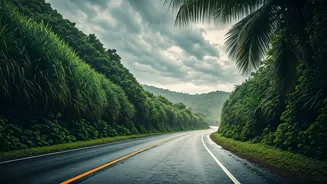
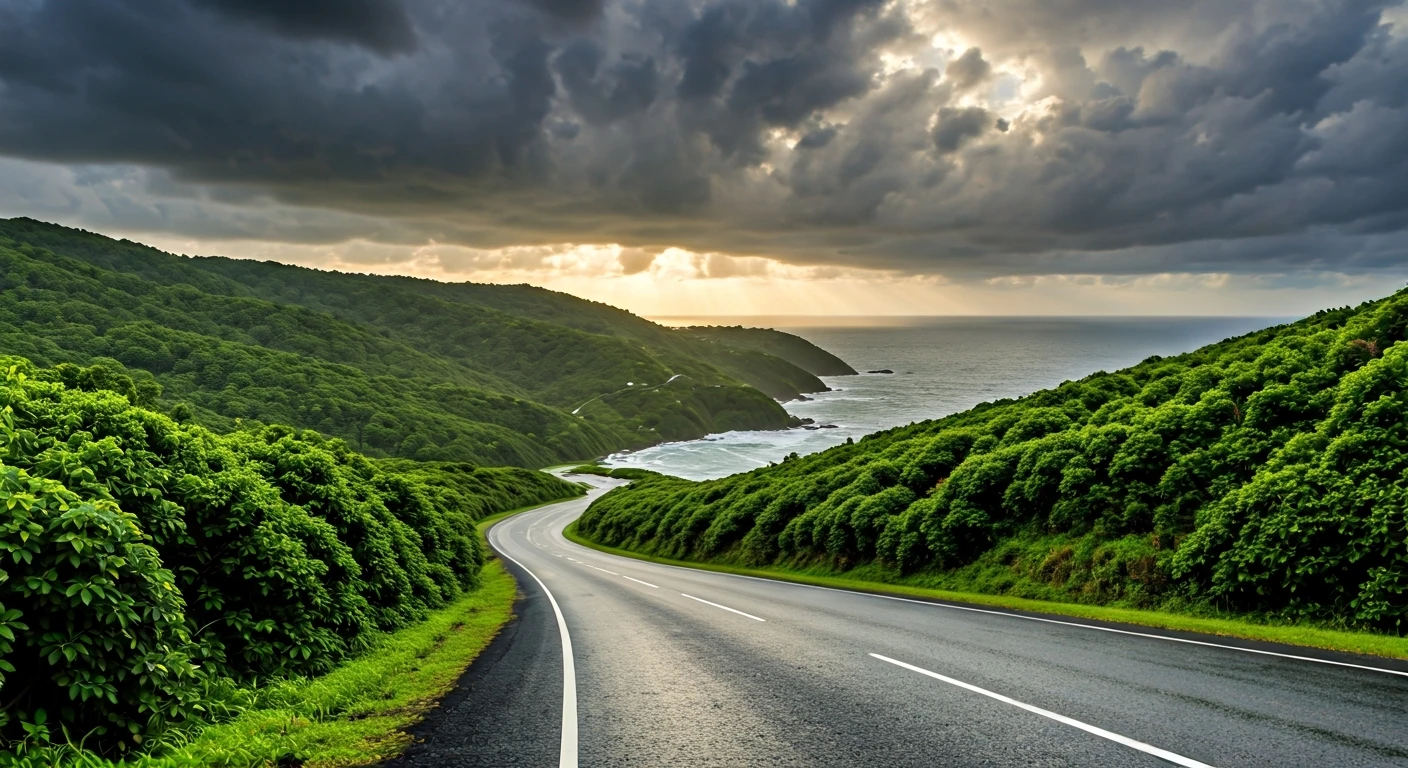
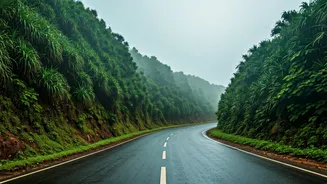
Getting around during the monsoon can be the biggest challenge. Heavy rains can cause localized flooding and, in hilly areas like the Ghats, dangerous landslides that block roads for hours or even days. The 'plan' here is flexibility. Build buffer time into your schedule. What would be a three-hour drive in the dry season might take five. Consider hiring a local driver who understands the terrain and knows the alternate routes. Train travel can be a scenic and generally safer option, but be prepared for delays. The key is to treat the journey itself as part of the experience, not a mad dash from A to B.
Rule #4: Chase Waterfalls (Safely)
The single greatest reward of a monsoon trip to destinations like Lonavala, Malshej Ghat, or Bhandardara is the water. The mountains come alive with thousands of temporary waterfalls, cascading down cliffs in every direction. It’s a breathtaking spectacle. However, this is where a 'proper plan' becomes a safety issue. These beautiful cascades can be powerful and unpredictable. A common mistake is wading into or standing directly under them. The safe plan is to admire them from a secure distance. Enjoy the view, take your photos, but respect the immense power of the water you came to see.
Rule #5: Savor the Season's Comforts
The rain plan extends to your downtime. The monsoon fosters a culture of coziness. It's the perfect excuse to find a small guesthouse or cafe, order a steaming cup of masala chai, and watch the world get washed clean. It’s also a time for specific seasonal foods. All over Maharashtra, you'll find vendors roasting corn on the cob (*bhutta*) over coals, a smoky, spicy snack that tastes infinitely better when you're slightly damp and cool. Enjoying these simple, weather-dependent comforts is the final piece of a perfect rain plan, connecting you to the place in a way a sunny day never could.