







The Priority on Probiotics
In the West, we often think of probiotics as a modern wellness trend, something you find in expensive yogurt or kombucha. But in places that experience a monsoon, like India, focusing on gut health is a centuries-old tradition for navigating the season.
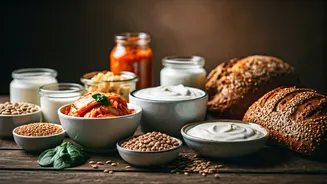
The logic, rooted in Ayurvedic principles, is that the damp, humid climate can weaken the digestive system, or "agni" (digestive fire). This makes the body more susceptible to infections and general sluggishness. Enter probiotics. Traditional diets during the monsoon lean heavily on fermented foods. Yogurt and buttermilk (lassi) become daily staples, not just refreshing drinks. Pickles and other fermented vegetables are also common. These foods are believed to replenish the good bacteria in the gut, creating a stronger internal defense system. The idea is to fortify your body from the inside out, helping it combat the environmental challenges the monsoon brings. It’s a proactive, rather than reactive, approach to health, using everyday foods as a first line of defense against the seasonal slump.
An Obsession with Hygiene
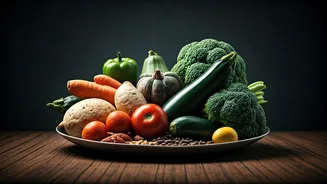
If there's one non-negotiable rule for monsoon eating, it's an unwavering focus on hygiene. The combination of heavy rain and humidity creates the perfect breeding ground for bacteria and other pathogens. Water sources can become contaminated, and produce is more likely to carry harmful microbes. This heightened risk of foodborne and waterborne illnesses like typhoid, cholera, and stomach bugs means that how food is prepared is just as important as what is being prepared. This is why many people become warier of street food, especially items that are raw or served with un-purified water. Leafy green vegetables, which can trap dirt and microbes, are often washed with extra care or even avoided altogether in favor of gourds and other vegetables that are easier to clean and cook. At home, there’s an emphasis on using boiled or filtered water, washing hands meticulously, and ensuring all food is cooked to a safe temperature. It’s a practical public health strategy embedded in cultural habit, recognizing that the environment itself has become a risk factor.
The Comfort of Hot, Light Food
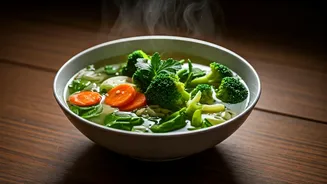
While a hot American summer might have you craving crisp salads and ice-cold drinks, monsoon logic flips that script entirely. During this season, the dietary focus shifts to foods that are warm, cooked, and easy to digest. Raw foods, including salads and uncooked sprouts, are often taken off the menu. The belief is that raw items are not only a higher hygiene risk but are also harder for a supposedly sluggish digestive system to process. Instead, the ideal monsoon meal is something like a warm bowl of lentil soup (dal), steamed vegetables, or a light curry with rice. Heavy, oily, and fried foods are generally discouraged as they can further burden the digestive system. The goal is nourishment without strain. Spices with known anti-inflammatory and anti-bacterial properties, such as turmeric, ginger, and garlic, are used generously. These ingredients don't just add flavor; they are seen as functional components of the meal, helping to boost immunity and aid digestion. It’s a diet built for comfort, warmth, and internal support when the world outside is damp and grey.