





The Rise of the Local Trail
For many, the American outdoor fantasy involves packing up a station wagon and heading to Yellowstone or Zion. But for a growing number of people under 25, the ideal adventure is much closer to home. This isn't about rejecting grand landscapes, but about redefining
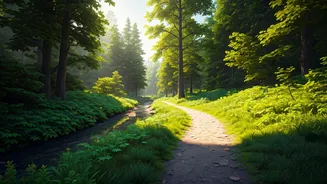
what 'getting outside' means. It’s the city park with a wooded path, the state forest a 20-minute drive away, or the riverside trail accessible by public transit. This shift is practical. In an era of high gas prices and demanding entry-level jobs, week-long excursions are a luxury many can’t afford. 'Nearby nature,' however, is accessible. It offers a quick escape without the significant investment of time or money, making it a sustainable habit rather than a once-a-year event. This embrace of localism reflects a generation that prioritizes convenience and authenticity in equal measure.
An Antidote to Digital Burnout
Gen Z grew up online. They are the first generation of true digital natives, and they are also acutely aware of the costs—the anxiety, the screen fatigue, and the endless pressure to perform online. For them, a walk in the woods isn't just exercise; it's a form of digital detox. It's a conscious choice to disconnect from notifications and reconnect with the tangible world. Studies have long shown the mental health benefits of spending time in green spaces, from reduced cortisol levels to improved focus. Gen Z appears to be internalizing this wisdom on a massive scale, seeking out nature as a low-cost, high-impact tool for managing stress. It's less about conquering a mountain and more about finding a moment of peace, a quiet space to decompress from the noise of a hyper-connected life. In this context, a simple park bench becomes as valuable as a summit view.
It's a Look: The Gorpcore Aesthetic
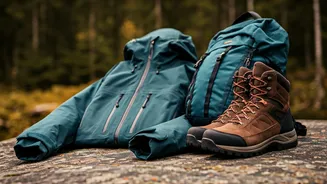
Of course, it wouldn't be a Gen Z trend without a distinct aesthetic. Enter 'gorpcore,' a fashion trend named after the colloquial term for trail mix ('Good Ol' Raisins and Peanuts'). It’s the normalization of technical outdoor gear—think Arc'teryx jackets, Salomon trail runners, and Patagonia fleeces—as everyday streetwear. This aesthetic has a symbiotic relationship with the 'nearby nature' trend. On one hand, wearing the gear makes the outdoors feel more accessible and fashionable. On the other, the social media imperative to 'post the fit' encourages people to find suitably natural backdrops. A scroll through TikTok or Instagram reveals countless young people posing on local trails, their functional-yet-fashionable outfits signaling a connection to the outdoors. The activity and the aesthetic feed each other, making hiking not just a healthy hobby but a culturally relevant act.
Technology as a Trailhead
It’s ironic that a generation seeking an escape from technology is using it to find nature, but that’s exactly what’s happening. Apps like AllTrails and Gaia GPS have become essential tools, demystifying the outdoors for novices. Instead of needing an experienced guide or a paper map, anyone with a smartphone can find a nearby trail, read reviews from other hikers, and navigate with confidence. This tech-enabled accessibility removes a major barrier to entry. Furthermore, social media acts as a discovery engine. A friend’s post from a beautiful local reservoir or a TikTok video showcasing a 'hidden gem' hike can inspire dozens of others to visit. Technology isn't the enemy of this trend; it's the gateway, making the outdoors more discoverable, shareable, and safer for a new wave of enthusiasts.