





Beyond the Buffet Table
When we think of Indian food in the U.S., our minds often go straight to the Northern Indian dishes that have dominated restaurant menus for decades: creamy chicken tikka masala, buttery naan, and rich palak paneer. While undeniably delicious, this represents
only a fraction of India’s vast culinary landscape. A new movement, both in India and in modern Indian-American kitchens, is shining a spotlight on the lighter, regionally diverse, and inherently wholesome side of the cuisine. This isn't about dieting or stripping away flavor; it’s about rediscovering the everyday foods that have sustained a subcontinent for centuries—foods that were always designed for balance and well-being.
Ancient Wisdom Meets Modern Wellness
The current obsession with “gut health” in the West is, in many ways, a modern repackaging of principles that have been central to Indian life for thousands of years. Ayurveda, the ancient Indian system of medicine, places immense importance on digestion, known as *agni*, or “digestive fire.” A strong agni is considered the cornerstone of good health, while a weak one is the root of disease. This philosophy has always influenced Indian home cooking, which traditionally emphasizes eating seasonally, using spices to aid digestion, and incorporating a balance of six tastes (sweet, sour, salty, bitter, pungent, and astringent). The new trend isn’t inventing gut-friendly Indian food; it’s simply re-centering this ancient, intuitive wisdom for a new generation of health-conscious eaters.
The Gut-Friendly All-Stars
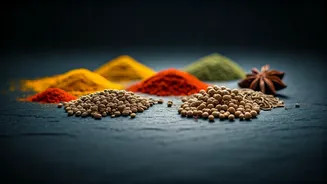
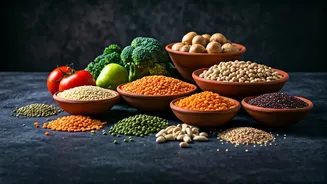
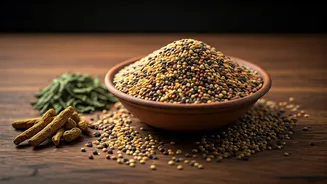
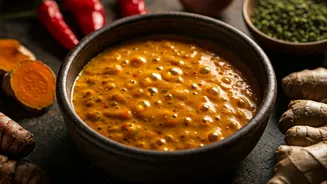
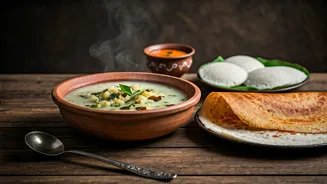
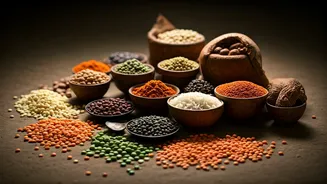
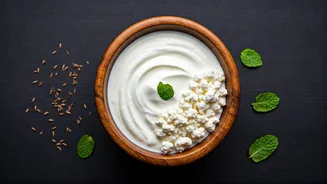
So what does this trend look like on a plate? It’s all about celebrating specific ingredients and preparations that promote digestive wellness. Fermented foods are at the forefront. Think of the light, airy, and naturally gluten-free South Indian staples *idli* (steamed rice and lentil cakes) and *dosa* (savory crepes), both made from a fermented batter teeming with probiotics. Yogurt, in the form of cooling *raita* or refreshing *lassi*, is another probiotic powerhouse. There’s also a major resurgence of ancient grains like millet, sorghum, and amaranth. These hardy, gluten-free grains are high in fiber and nutrients, offering a wholesome alternative to refined wheat and white rice. And, of course, spices remain key. Turmeric is a famed anti-inflammatory, ginger is a classic digestive aid, and asafoetida (hing) is traditionally used to make lentils and beans easier on the stomach.
Lighter Techniques, Bolder Flavors
This movement also involves a shift in cooking methods. While celebratory Indian food can be rich, everyday cooking is often much lighter. The gut-friendly trend embraces this, moving away from the heavy-handed use of ghee and cream found in some restaurant-style dishes. Instead, chefs and home cooks are championing techniques that let the ingredients shine. Tandoor ovens offer a way to grill meats and vegetables with intense heat and minimal oil. Steaming is used for everything from dhokla (savory chickpea flour cakes) to fish. The *tadka* (or tempering), a technique where whole spices are bloomed in a small amount of hot oil or ghee and poured over a dish at the end, provides a huge burst of flavor without adding excessive fat. It’s about being smarter, not sparser, with fat and heat, proving that healthy and delicious are not mutually exclusive.