



Cleanse, But Don't Over-Cleanse
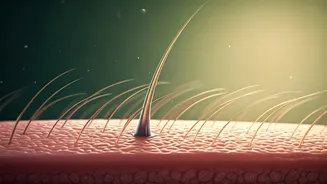
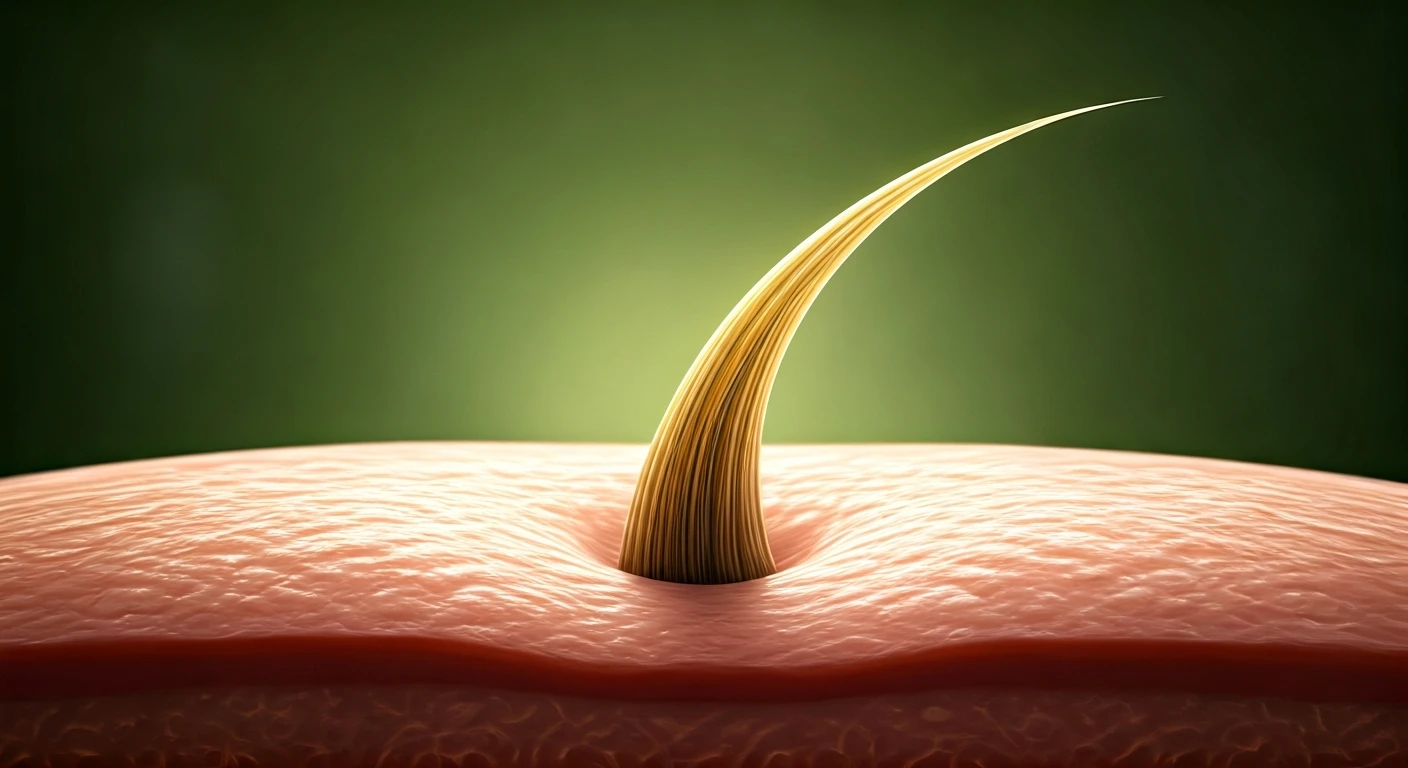
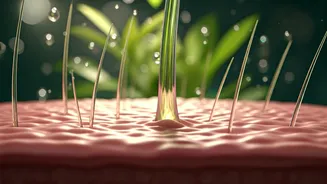
Washing your hair seems simple, but the goal should be to clean your scalp. Product buildup, sweat, and excess oil can clog hair follicles, potentially impeding healthy growth. For most people, cleansing every 2-3 days is sufficient. If you have a very oily
scalp, you may need to wash daily. The key is using a shampoo that’s right for your scalp type, not just your hair type. Look for gentle, sulfate-free cleansers that won't strip the natural oils that keep your scalp balanced and hydrated. And when you wash, make sure to rinse thoroughly; leftover shampoo residue is a primary cause of scalp irritation and buildup.
Exfoliate Your Scalp Weekly
Just like the skin on your face, your scalp benefits from regular exfoliation. This practice removes dead skin cells, dandruff flakes, and stubborn product residue that a normal shampoo might miss. A clean, exfoliated scalp creates a better environment for hair follicles to thrive. You have two options: a physical exfoliant (a gentle scrub with sugar or fine salt) or a chemical exfoliant (a serum or rinse containing ingredients like salicylic acid or glycolic acid). Start by exfoliating once a week to see how your scalp responds. This single step can make your scalp feel cleaner and your hair look more voluminous at the roots.
Master the Scalp Massage
A scalp massage is more than just a relaxing indulgence; it’s a pro-growth treatment. Using the pads of your fingers (not your nails) to apply firm, circular pressure across your entire scalp for just five minutes a day can help increase blood flow to the hair follicles. This improved circulation delivers more oxygen and essential nutrients needed for robust hair growth. You can do it on dry hair anytime, or incorporate it into your shampoo routine to help work the product in more effectively. For an easier approach, consider a soft, silicone scalp massager.
Protect Your Scalp from the Sun
Your scalp is skin, and it's highly susceptible to sun damage—especially along your part line or on thinning areas. Sunburn on the scalp is not only painful but can also damage the hair follicles and lead to inflammation. On sunny days, the easiest solution is to wear a hat. If that’s not your style, look for SPF products specifically designed for the scalp and hair. These often come in a powder or lightweight spray form that won't leave your hair feeling greasy. It’s a simple preventative measure that protects the long-term health of your hair’s foundation.
Turn Down the Temperature
Extreme heat is an enemy to both your hair strands and your scalp. Blasting your head with scalding hot water in the shower can strip the scalp of its protective oils, leading to dryness, irritation, and sometimes even an overproduction of oil to compensate. This can throw your scalp's microbiome out of balance. Wash and rinse your hair with lukewarm water instead. The same logic applies to heat styling. Avoid aiming your blow dryer directly at your roots on the highest heat setting for prolonged periods. If you must use high heat near the scalp, always apply a heat protectant spray first.
Feed Your Scalp from Within
Topical treatments are crucial, but a healthy scalp also begins with your diet. Hair follicles are made of cells that require a steady supply of nutrients. Deficiencies in key vitamins and minerals can manifest as brittle hair or slower growth. Ensure your diet is rich in proteins (the building blocks of hair), iron (to help red blood cells carry oxygen to follicles), vitamin C (which aids in collagen production), omega-3 fatty acids (for hydration), and biotin. Foods like eggs, berries, spinach, fatty fish, and nuts are all excellent for promoting the internal health that shows up externally as vibrant, resilient hair.